
A quick overview: things to do in Mexico City
This guide covers the four best neighborhoods, the city’s must-see attractions, the food worth traveling for, and the day trips that deserve a full day. Not too much. Enough to go.
Mexico City overview
Best for: First-time visitors, food travelers, history lovers, culture seekers, nightlife, and anyone who wants one of the most layered cities in the world
How long: Three days covers the highlights. Five days is the sweet spot. Seven days is when the city actually opens up.
Safety: The tourist neighborhoods are broadly safe. Use Uber instead of street taxis. Keep your phone in your pocket while walking. Avoid Tepito and Iztapalapa. See our full Mexico City Safety Guide for everything else.
What this guide covers
Best neighborhoods: Roma Norte, Condesa, Polanco, and Downtown. Four completely different cities inside one. Each one links to a full neighborhood guide.
Must-see attractions: Chapultepec, the Museum of Anthropology, Bellas Artes, the Zócalo, Casa Azul, and lucha libre. The non-negotiables.
Food: From Michelin-starred tasting menus in Polanco to 15-peso basket tacos on a sidewalk at 8am. Both matter. Neither should be skipped.
Day trips: Teotihuacan, Xochimilco, and Puebla. All within three hours. All worth the effort.
Unique experiences: Mezcal bars, pulquerías, the witchcraft market, old-school cantinas. The second layer of the city most visitors miss.
Best neighborhoods in Mexico City
Four neighborhoods hold most of what travelers come here for. Each one is its own world. The short version is below. Click through to the full guide for each one. For a side-by-side comparison of all four, see our Mexico City neighborhoods guide.
Roma Norte
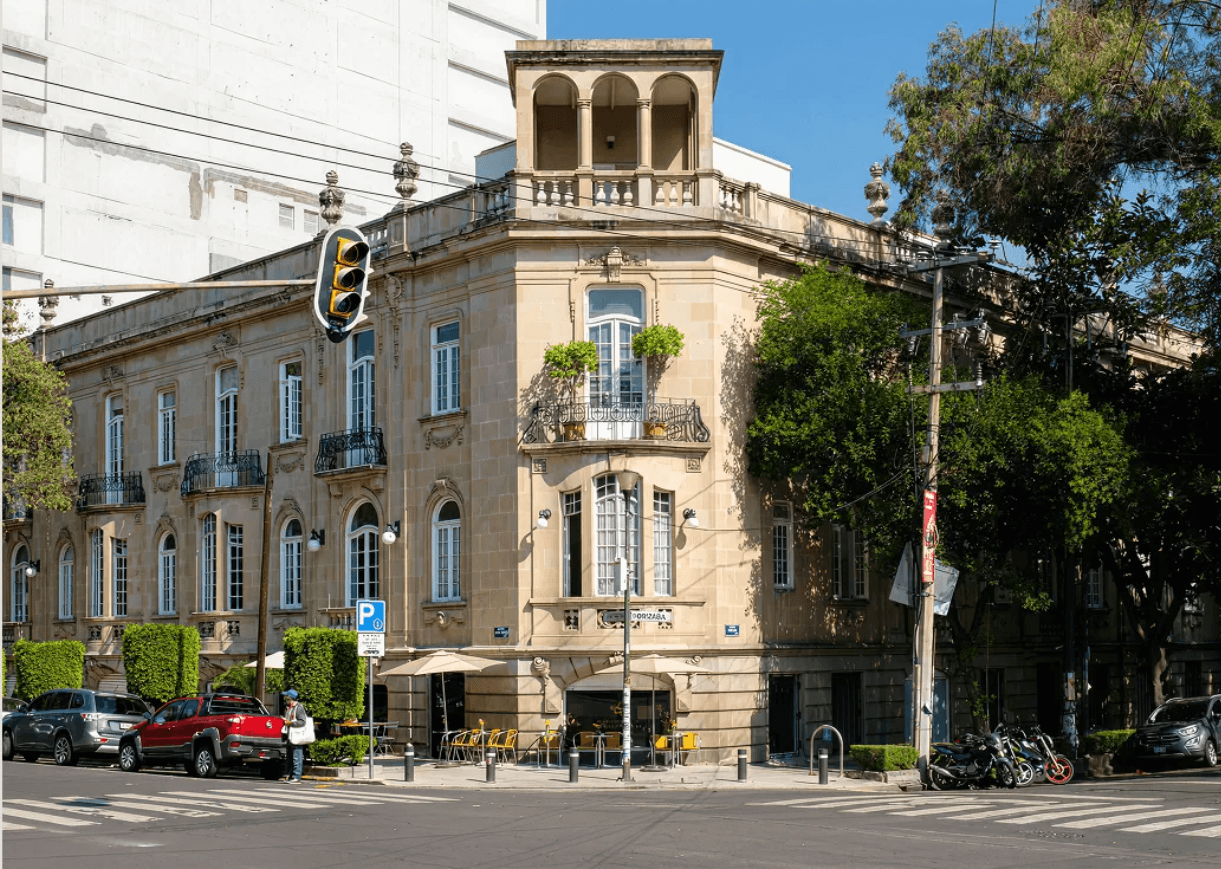
The neighborhood that rewrote Mexico City’s reputation internationally. Art Deco mansions, Michelin-starred restaurants, and mezcal bars that don’t close until the city decides they should. Rosetta, Contramar, and Licorería Limantour are all here. It’s the most centrally located of the four, the most walkable, and the best base for a first visit.
- Best for: First-timers, foodies, nightlife, architecture enthusiasts
- Vibe: Lively, dense, cosmopolitan
- Price range: Mid-range
For the full breakdown of what to see, eat, and drink in the neighborhood, check out our guide to things to do in Roma Norte.
Condesa
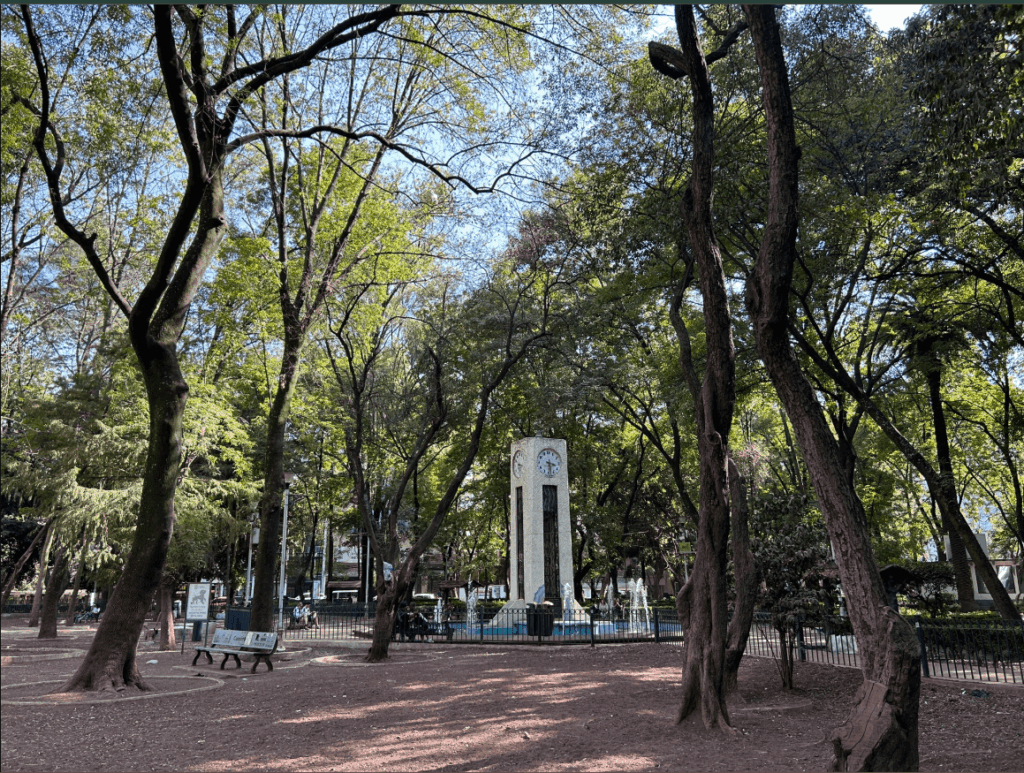
Built on a former horse racing track in the 1920s, designed around two parks with curving streets that slow everything down. Calmer than Roma Norte, greener, with exceptional Art Deco architecture and a more residential feel. Parque México on a Sunday morning is one of the best urban experiences in the city.
- Best for: Couples, slow travel, parks, relaxed dining
- Vibe: Calm, green, sophisticated
- Price range: Mid-range
For the full breakdown of what to see, eat, and drink in the neighborhood, check out our guide to things to do in Condesa.
Polanco
Mexico City’s luxury district. Embassies, five-star hotels, designer boutiques along Avenida Presidente Masaryk, and two of the best restaurants in the world. Pujol and Quintonil are both here. The Museo Soumaya and Museo Jumex are both free and back to back. Come with a dinner reservation.
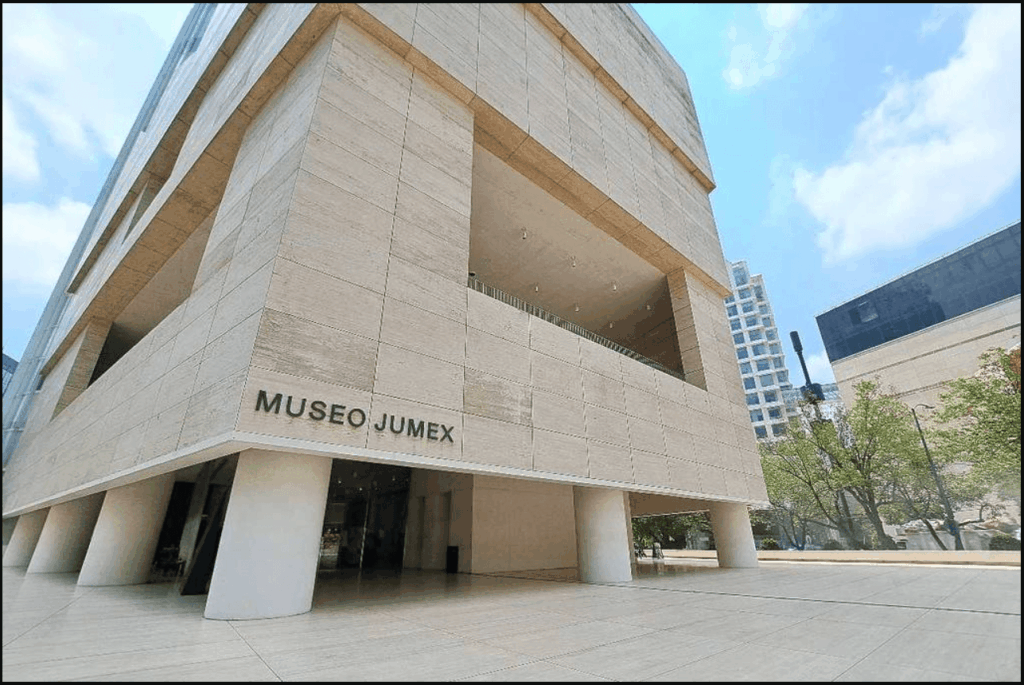
- Best for: Luxury travelers, fine dining, families, museum-goers
- Vibe: Upscale, polished, refined
- Price range: High-end
For the full breakdown of what to see, eat, and drink in the neighborhood, check out our guide to things to do in Polanco.
Downtown Mexico City (Centro Histórico)
The oldest part of the city, built on the ruins of the Aztec capital. The Zócalo, the Metropolitan Cathedral, the Palacio Nacional, and the Templo Mayor all sit within a ten-minute walk. Chaotic, loud, magnificent. Best by day. After dark, stick to Uber.
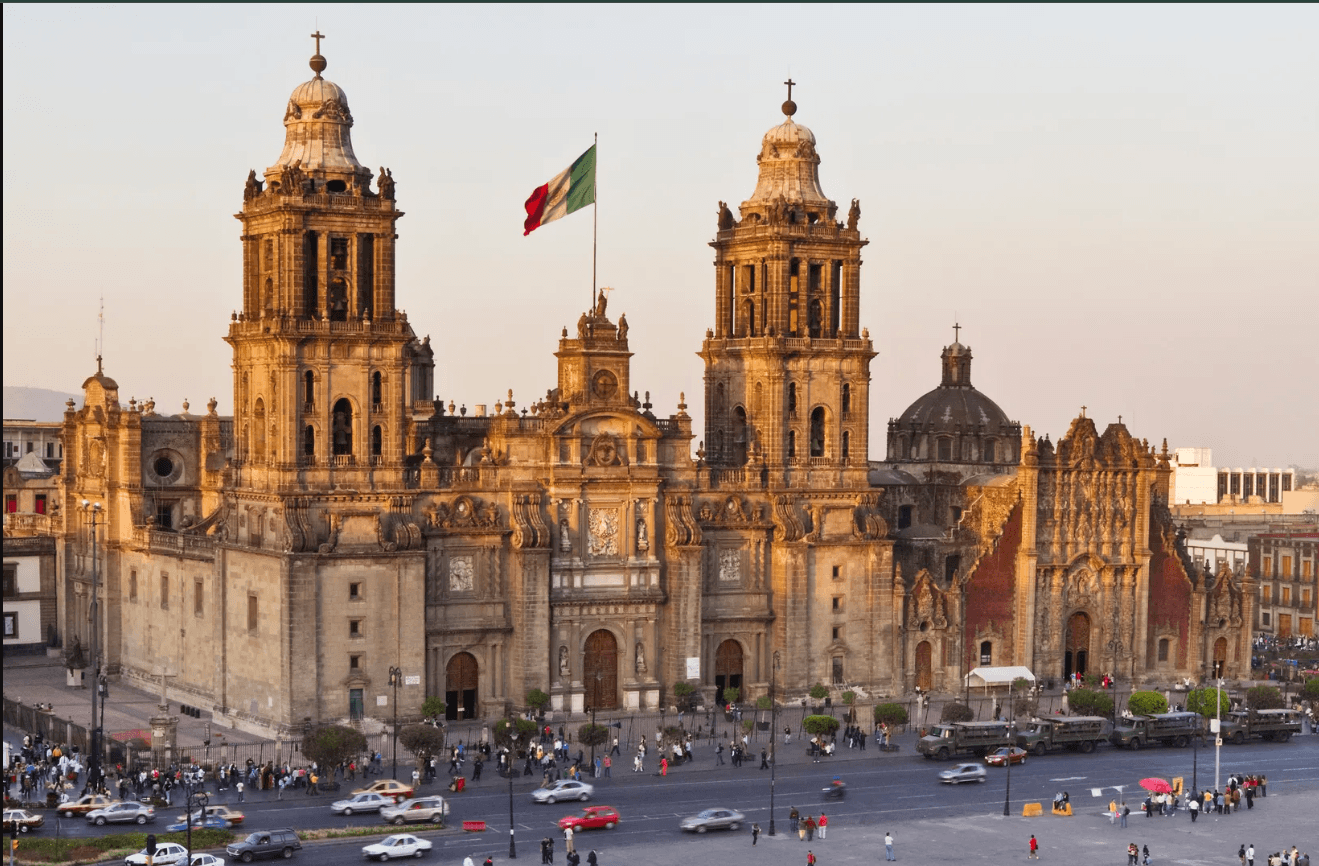
- Best for: History lovers, budget travelers, architecture, murals
- Vibe: Bustling, historic, raw
- Price range: Budget to luxury
For the full breakdown of what to see, eat, and drink in the neighborhood, check out our guide to things to do in Downtown Mexico City.
Mexico City must-see attractions
These are the city-wide icons. World-class museums, an 800-year-old city center, one of the great archaeological sites on Earth, and a wrestling tradition running since 1933. All worth your time. Most worth half a day.
📍 Chapultepec Park and Castle
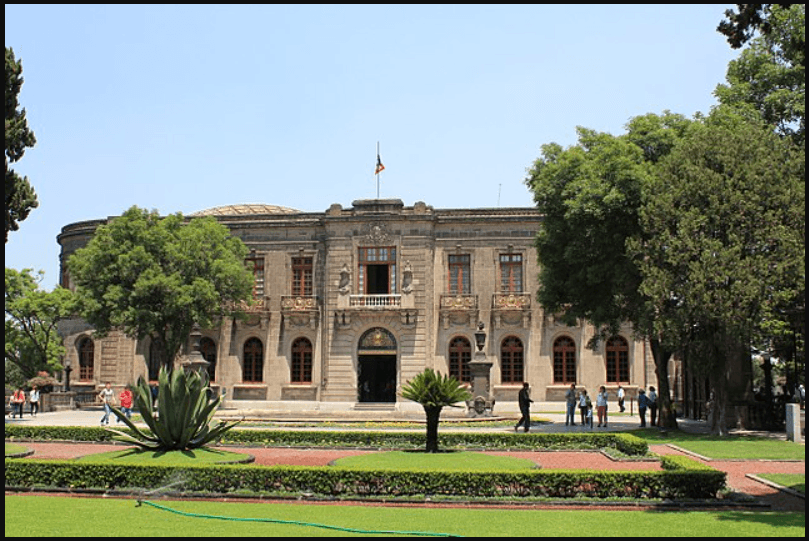 Over 800 hectares across four sections, dwarfing Central Park, with a hilltop castle that served as the presidential residence until 1934. In 1944 the castle had been converted into the Museo Nacional de Historia. The 20-minute walk uphill is part of the deal. The views over the city skyline are the payoff.
📍 Museo Nacional de Antropología
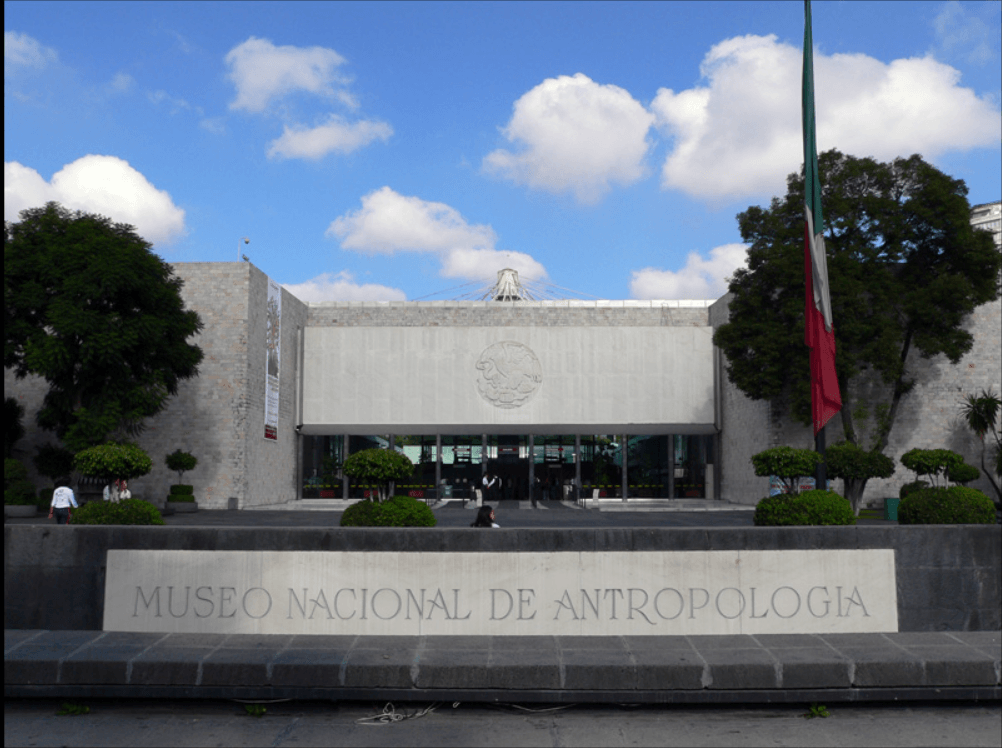 If you visit one museum in Mexico City, make it this one. Twenty-four exhibition halls, the original Aztec Sun Stone, Olmec colossal heads, and one of the most comprehensive Mayan collections anywhere. Budget three hours minimum. Come Tuesday or Wednesday morning before the school groups arrive.
📍 Palacio de Bellas Artes
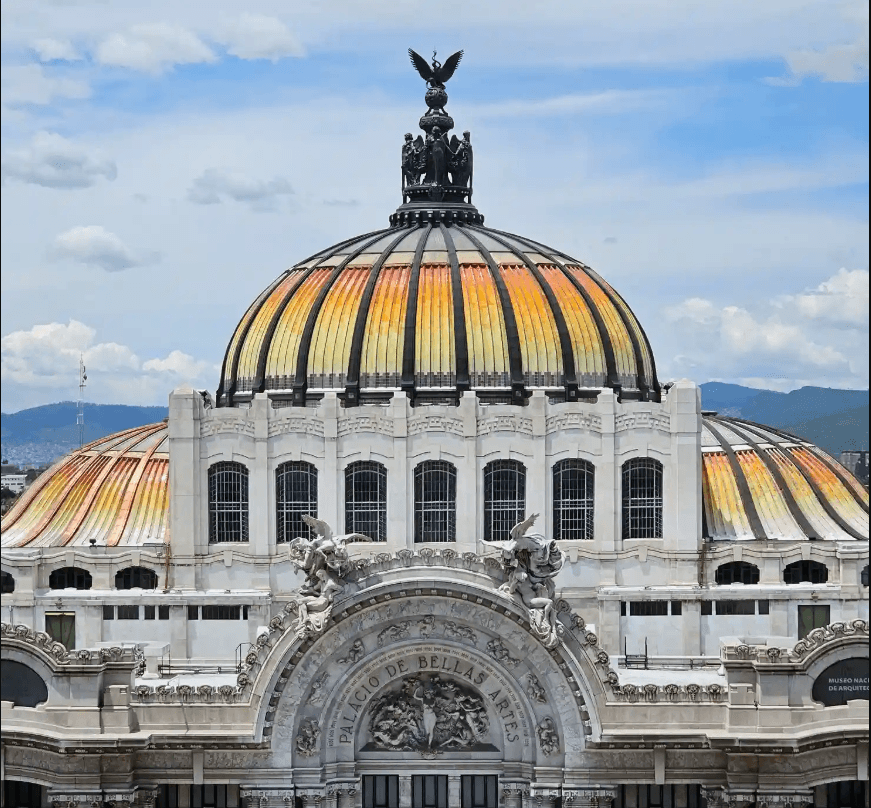 Mexico City's most dramatic building. An Art Nouveau and Neoclassical marble exterior, Art Deco interior, and the whole structure slowly sinking into the soft lakebed, roughly four meters since construction began. The lobby is free. Upper floors with 17 murals by Diego Rivera, David Alfaro Siqueiros, José Clemente Orozco, and others cost around MX$85. The best photography angle: the café terrace on the 8th floor of the Sears building directly across the street. Free, completely worth it.
📍 Zócalo, Templo Mayor and Palacio Nacional
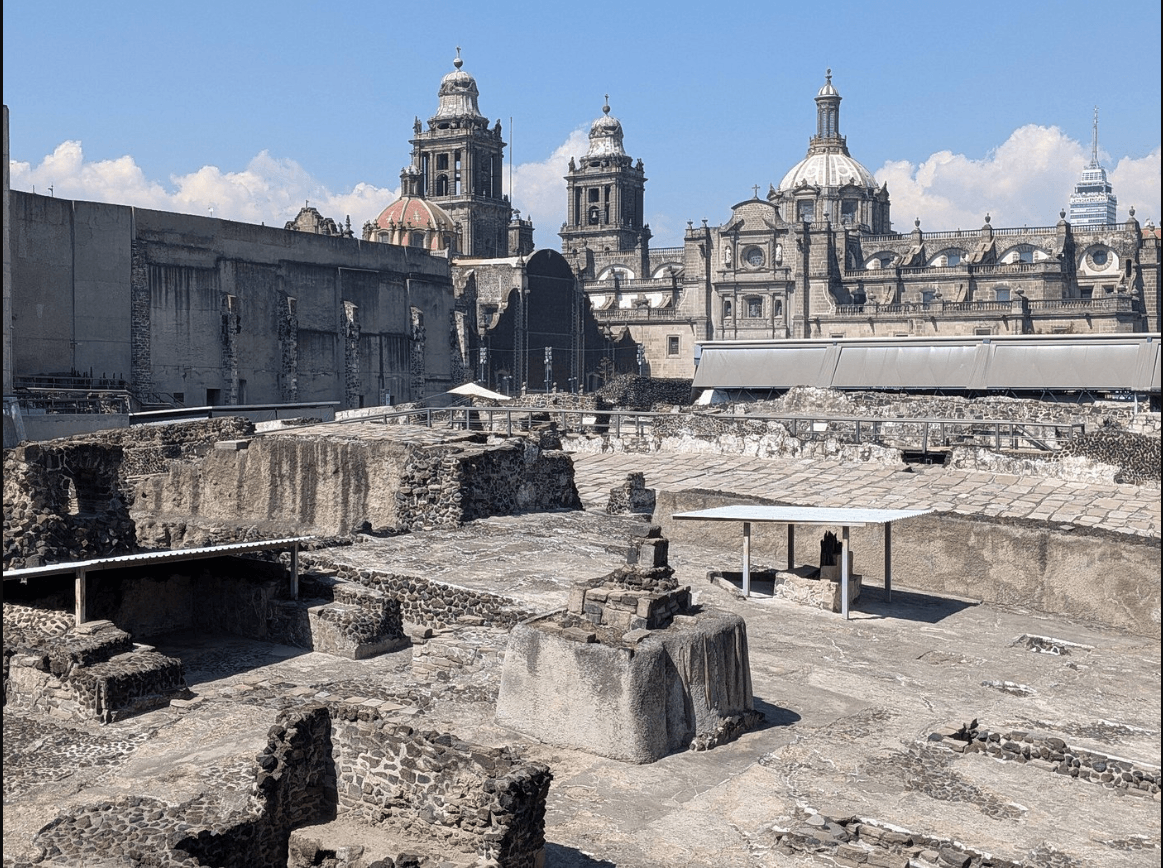 One of the largest public squares on Earth, surrounded by some of the most significant buildings in the Americas. The Metropolitan Cathedral took roughly 240 years to build, from 1573 to 1813. The Palacio Nacional next door holds Diego Rivera's most celebrated murals. The Templo Mayor ruins, excavated in 1978 after electrical workers accidentally struck the carved Coyolxauhqui Stone, sit directly adjacent. Over 7,000 artifacts recovered. All within a ten-minute walk of each other.
📍 Frida Kahlo Museum (Casa Azul)
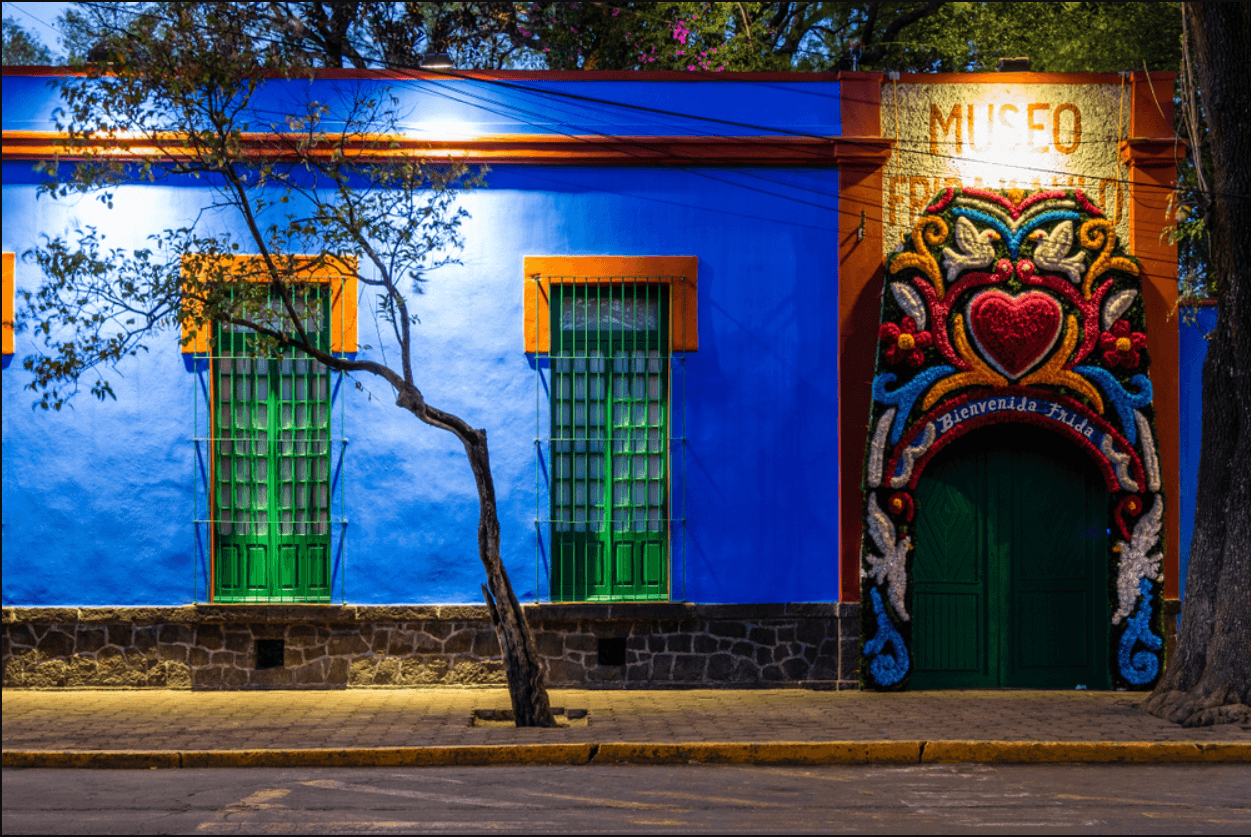 The Blue House in Coyoacán is where Frida Kahlo was born, lived, and died, preserved exactly as she left it. Her studio, clothing, personal effects, and relationship with Diego Rivera made permanent in the rooms they shared. Tickets sell out quickly during peak seasons. The museum's booking calendar typically opens about two months in advance. Book online as soon as dates appear, especially around Día de Muertos, December, and Semana Santa.
📍 Lucha Libre at Arena México
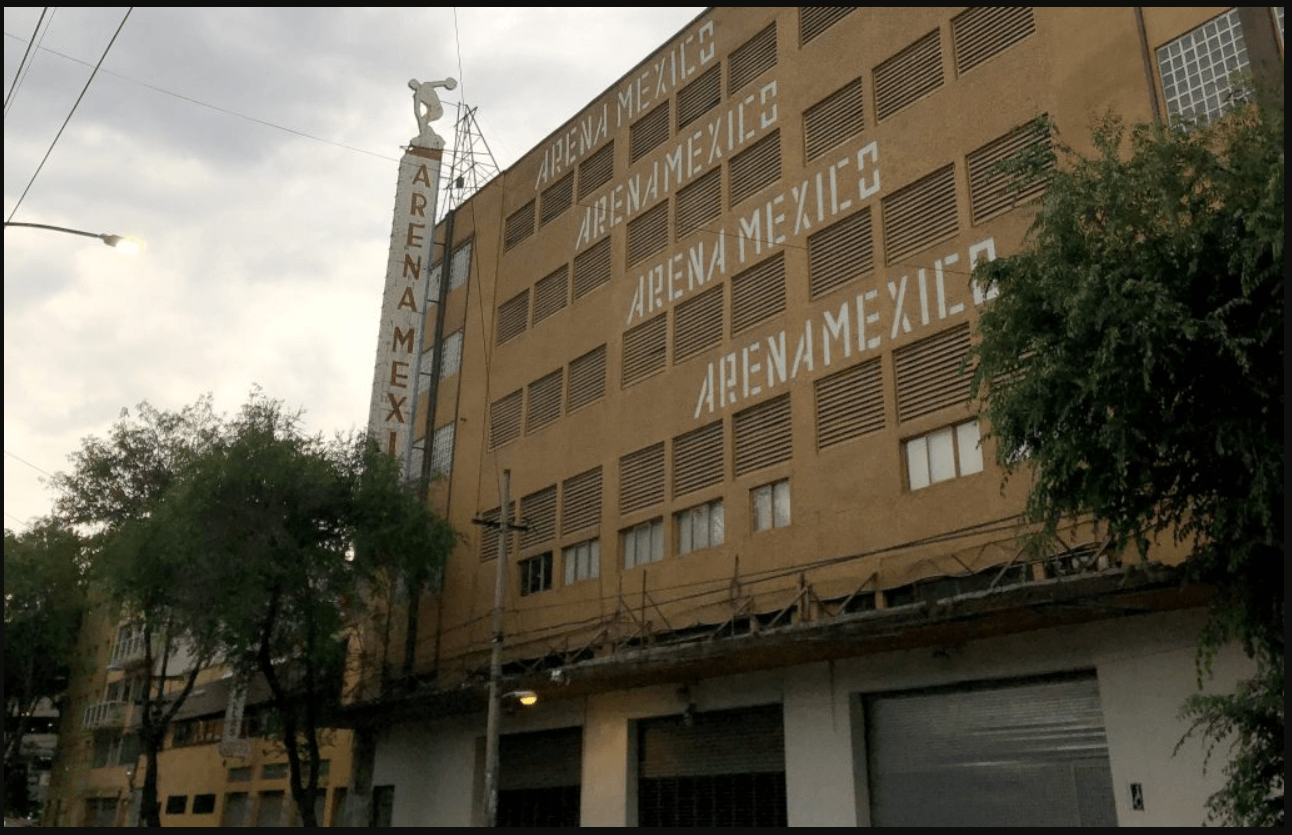 Up to 16,500 people, the finest acrobatic professional wrestling on Earth. Lucha libre has been running in this city since 1933. CMLL is the oldest wrestling promotion still in operation anywhere. The masks, the aerials, the crowd noise, and the theatrical commitment of the performers combine into something that has no equivalent anywhere else. Sunday shows at Arena Coliseo in Centro are smaller and rawer.
Best food experiences in Mexico City
Mexico City is one of the great food cities on Earth. Three Michelin-starred restaurants, a street taco culture refined over centuries, and a mid-range scene that most cities can’t match at any price. The range runs from 15-peso sidewalk tacos at 8am to 4,500-peso tasting menus. Both matter. Both should be eaten.
Fine dining
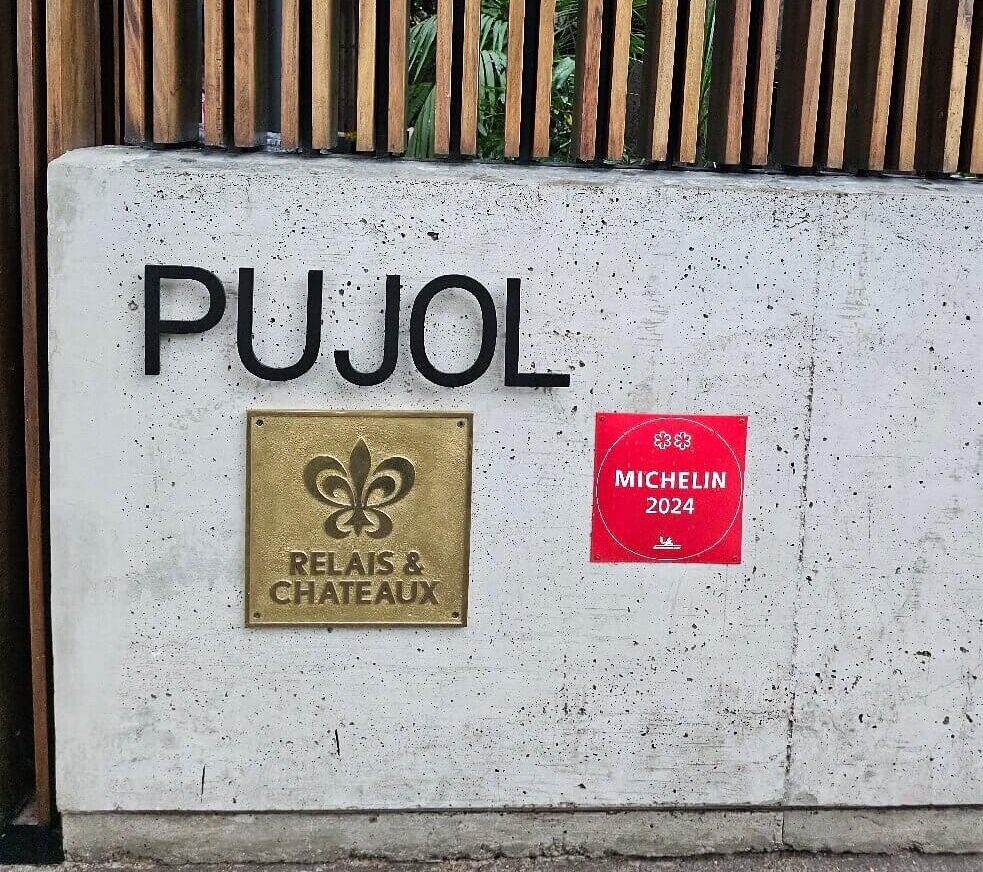
Pujol
Two Michelin stars · No. 5 in the World · Open since 2000 · Book 30 days ahead
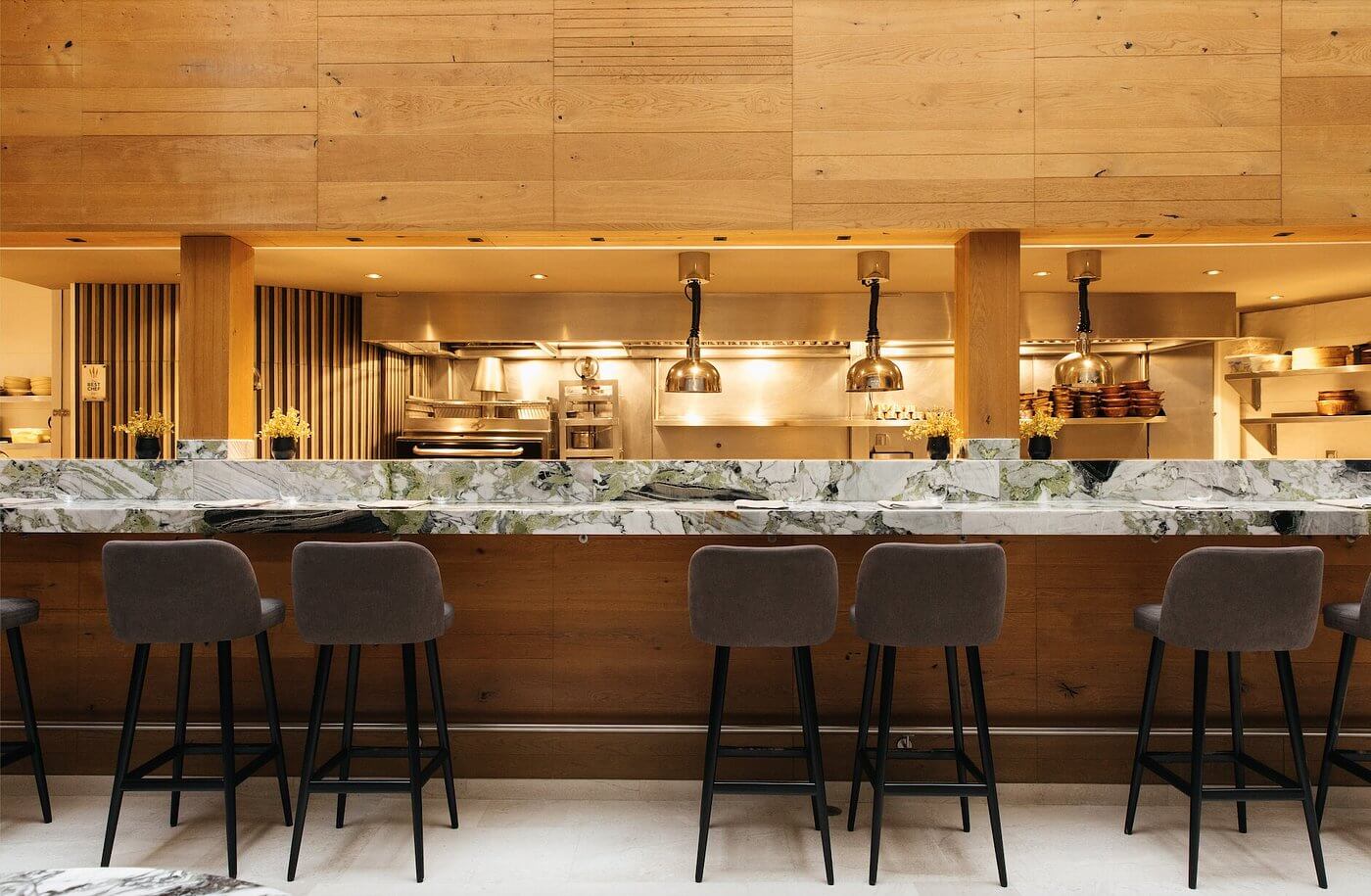
Quintonil
No. 3 in the World · Seasonal local ingredients · Book well in advance
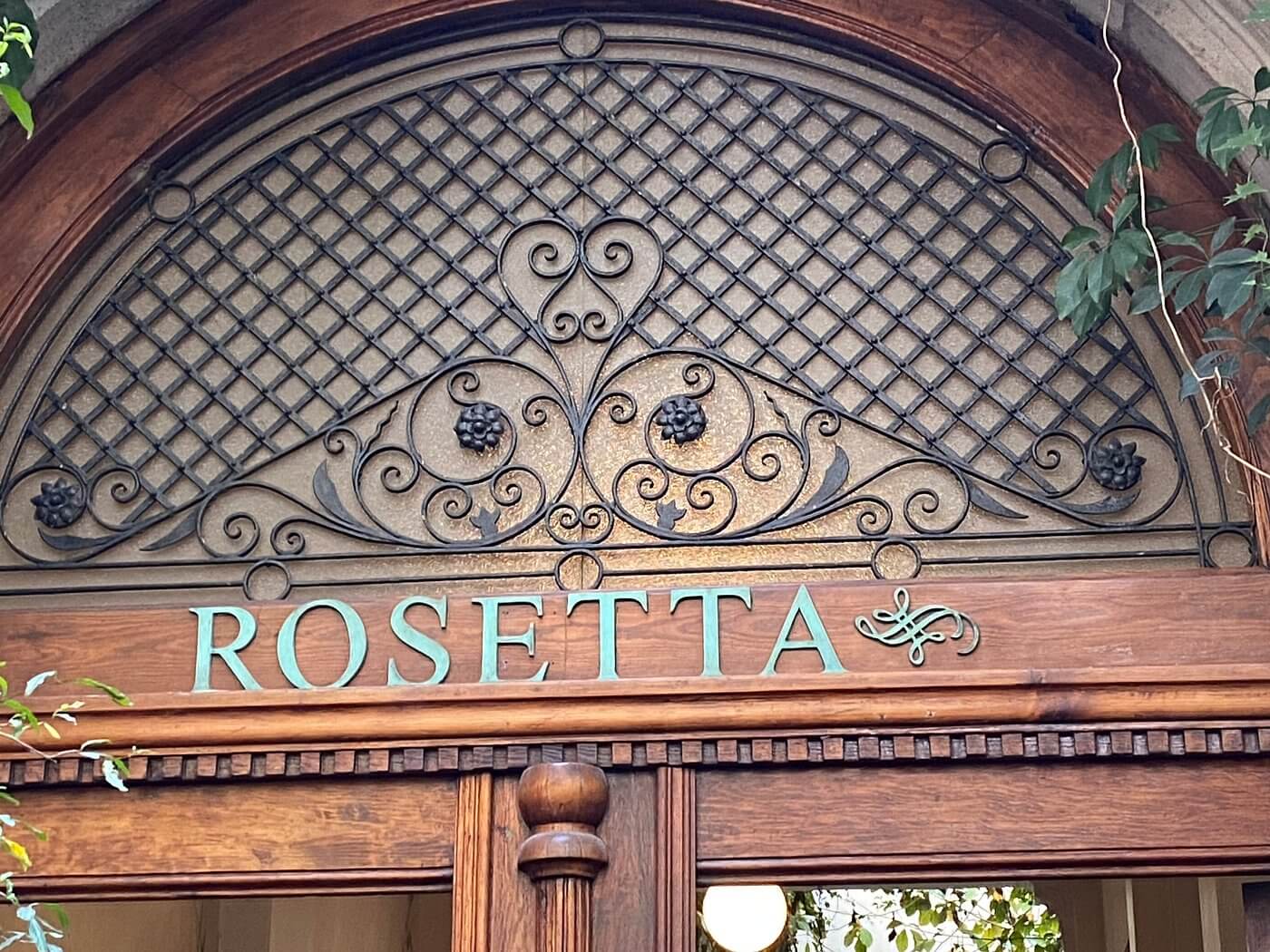
Rosetta
Elena Reygadas' flagship named World's Best Female Chef 2023 · One Michelin Star (2024 & 2025) · #46 in World's 50 Best Restaurants (2025)
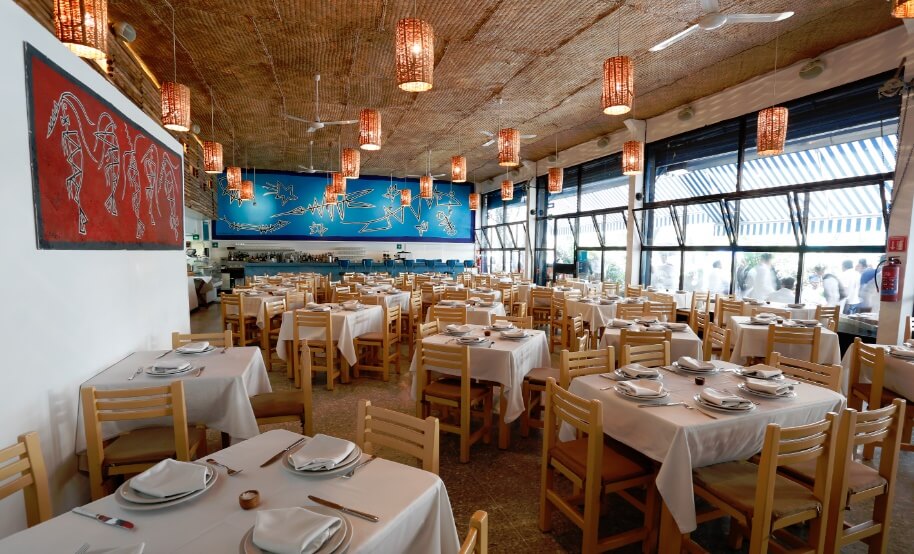
Contramar
Opened by Gabriela Cámara in 1998 · Michelin Bib Gourmand · Featured on Netflix's A Tale of Two Kitchens
Mid-range
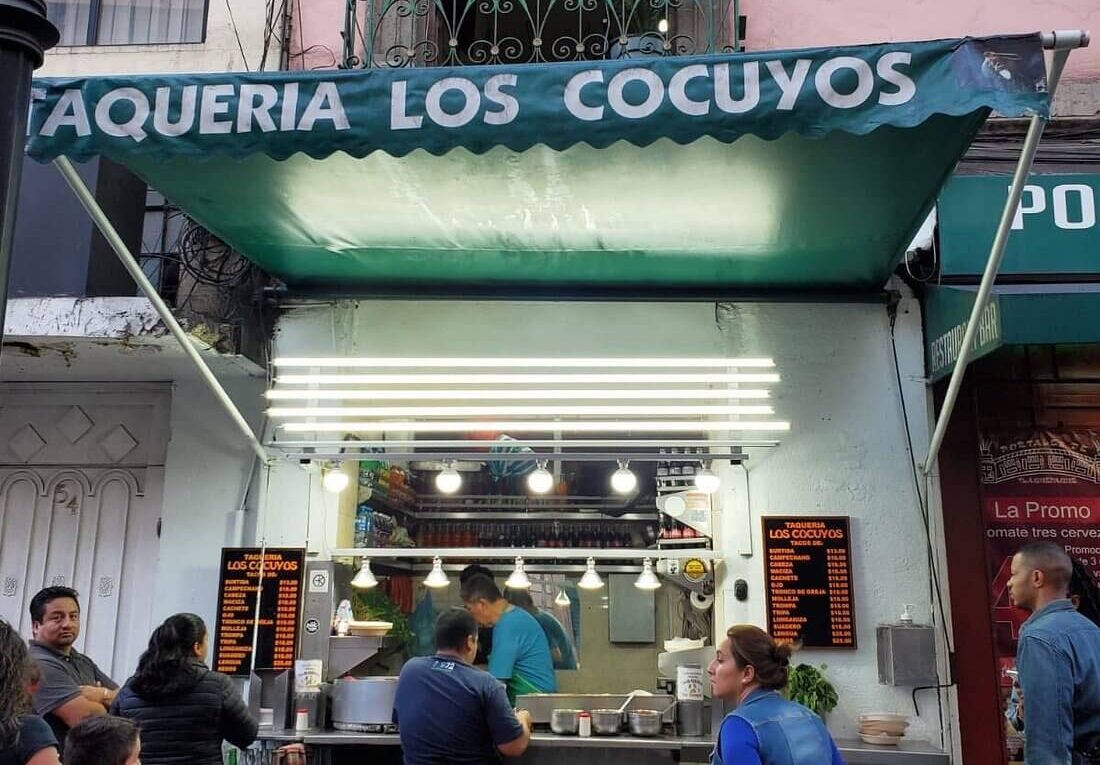
Taquería Los Cocuyos
Michelin Bib Gourmand · Open since 1980 in Centro Histórico · ~$14 USD · Open late
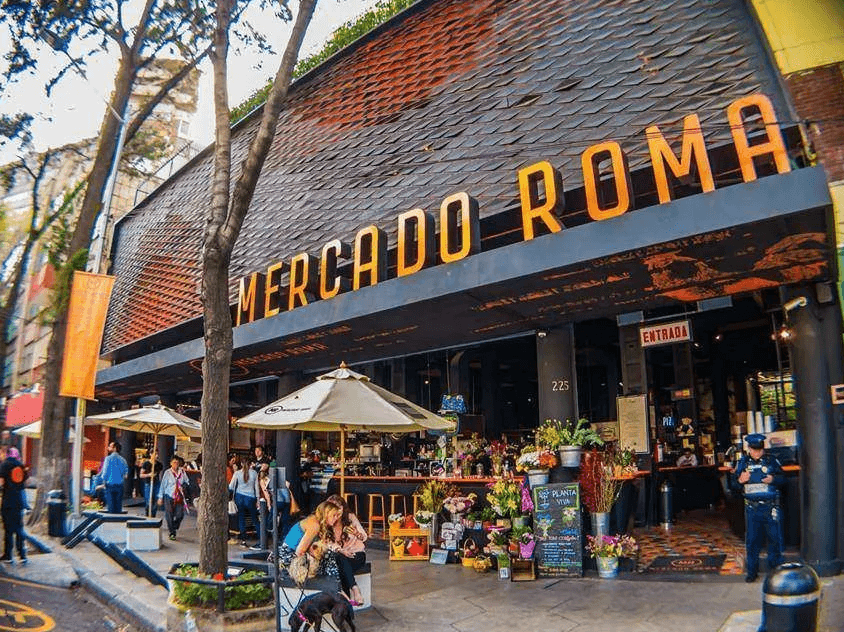
Mercado Roma
Multiple taco & street food options under one roof · Mid-range prices · Querétaro 225
Day trips from Mexico City
Mexico City is a base, not just a destination. The surrounding region holds some of the most significant sites in the world. All reachable in under three hours. All worth the effort.
📍Teotihuacan pyramids
The Pyramid of the Sun is the third-largest pyramid in the world. The Pyramid of the Moon reopened for partial climbing in May 2025, first level only, 47 steps, after five years closed. The Avenue of the Dead connecting them stretches nearly four kilometers. Arrive at 9am opening. By 11am the tour buses have filled the site. By noon it’s hot and crowded.
- Distance: ~50km northeast of the city · 45–60 min by car or bus
- Getting there: Direct bus from Terminal Central del Norte · ~MX$100 round-trip
- Tips: Bring 1.5L water, hat, sunscreen. Almost no shade on site.
- Price: MX$210 foreign visitors · MX$105 nationals · English guides available on-site ~MX$850 for 1–2 hours · Convert to USD
📍Xochimilco
UNESCO World Heritage Site since 1987. Built by the Aztecs. Still functioning. You rent a trajinera boat and float through the same canal network that fed the Aztec capital. Vendor boats pull alongside with tacos, tamales, and cold beer. Mariachi bands cruise by.
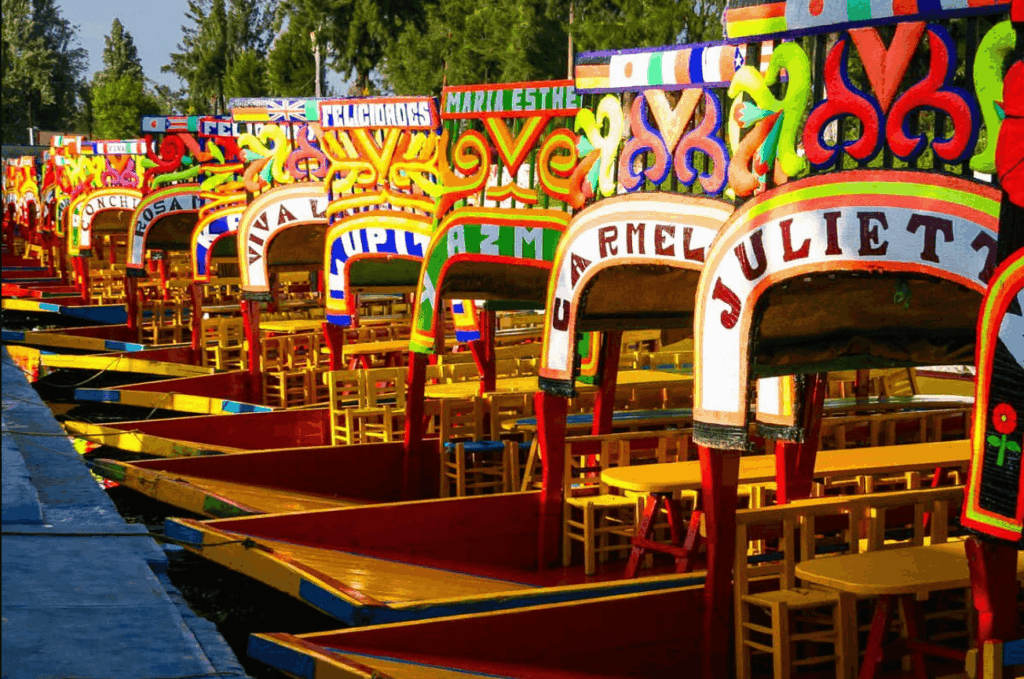
- Distance: 45–75 min from city center by Uber
- Price: MX$750/hour per boat (boats hold up to 18 people)
- Best combined with: Coyoacán and the Frida Kahlo Museum on the same day
📍Puebla and Cholula
UNESCO World Heritage historic center covered in Talavera tiles. Cholula, 15 minutes further by taxi, has the Great Pyramid of Cholula, the largest pyramid by volume in the world, buried under a hill with a Spanish colonial church built on its summit in 1594. The image of a Baroque church atop a pyramid with Popocatépetl behind it is one of those moments that earns the whole trip.
- Distance: 2.5–3 hours by bus from TAPO terminal
- Getting there: ADO first-class ~MX$290 one-way · Economy services from ~MX$220 · Frequent departures · Advance-purchase discounts available online
- Tip: Many travelers prefer an overnight in Puebla. Mid-range hotels MX$800–1,500/night.
Unique things to do in Mexico City
Every city has its standard list. Mexico City’s standard list is already exceptional. But there is a second layer of experiences that take slightly more initiative and pay off significantly better.
Mezcal bars
Mexico City is one of the best places on Earth to understand what mezcal actually is. La Botica in Condesa is the starting point: handwritten menus, orange-and-worm-salt service, dozens of producers. La Clandestina on Avenida Álvaro Obregón in Condesa runs deeper: around 25 varieties, knowledgeable staff, candlelit back room. Pours run MX$100–200 depending on producer.
Pulquerías
Pulque is fermented agave sap, predating tequila by millennia. Most tourists skip it. That's a mistake. Pulquería Los Insurgentes in Roma Norte is the entry point: three floors plus a rooftop terrace, live music, and flavored "curado" options. La Pirata in Escandón has been pouring for around 80 years for a local crowd that takes it seriously. MX$30–60 per liter.
Mercado de Sonora
The "witchcraft market." Ritual herbs, copal incense, spiritual candles, folk remedies, Santería supplies, and love charms. A curandera can perform a traditional energy cleansing on-site. Around Day of the Dead it transforms completely. Best visited early morning with cash and ideally a guide.
Traditional cantinas
Dimly lit, cheap beer, free botanas (snacks that arrive as long as you're drinking). A dying institution, but not gone. La Opera in Centro Histórico, established 1876, has a bullet hole in the ceiling allegedly from Pancho Villa's pistol. The story may not be true. The bar is real. Bar Montejo is a solid second option. The streets around Garibaldi Plaza have several more.
How long do you need in Mexico City?
The travelers who leave happiest are the ones who gave the city time. The ones who leave frustrated tried to compress it.
| 3 days | The minimum. One neighborhood, the major city-wide highlights, one great dinner. You’ll understand why people come back. |
| 5 days | The sweet spot. All four neighborhoods, Teotihuacan, Xochimilco combined with Coyoacán, and a proper evening on the mezcal circuit. The city starts to feel navigable. |
| 7+ days | A week in Mexico City is when most people realize they need another trip entirely to cover what they missed. |
Once you’ve worked out how long, the other question is when. Our best time to visit Mexico City guide covers the seasons