
About Downtown Mexico City
Centro Histórico is the oldest and busiest part of the city, built on top of the Aztec capital. The Zócalo, the Cathedral, Rivera’s murals in the Palacio Nacional, and Templo Mayor, which was only found in 1978 when utility workers hit a carved stone slab a block off the plaza.
Most of it is free or close to it. Bellas Artes runs about $4. The tourist core is compact, so the main sights sit within a 10-minute walk of each other. After dark the streets thin out and it makes sense to Uber between stops.
Best for history-first travelers and anyone comfortable with noise and crowds. For quiet streets and dinner nearby, stay in Roma Norte and do Centro as a day trip.
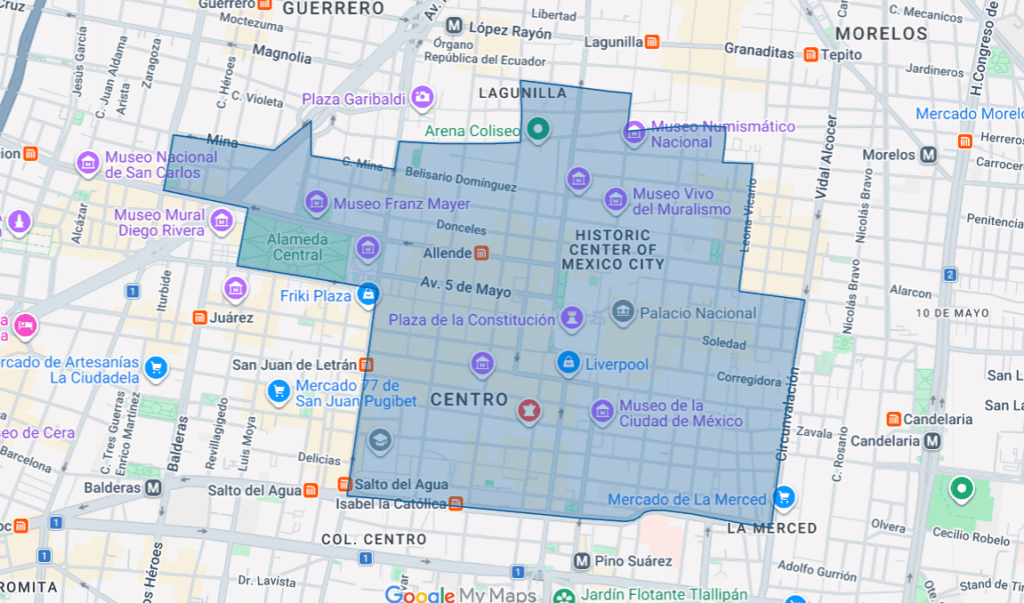
Map of downtown Mexico City
Centro Histórico sits at the eastern center of the city, roughly 5-7 km from AICM airport. It is not a neighborhood you walk to from Roma Norte or Condesa at night, but it is a 10-minute Uber away. The tourist core is dense and compact: the Zócalo, Madero, Bellas Artes, and Alameda Central are all within a 10-minute walk of each other.
Here’s where Centro Histórico sits within Mexico City (click to open the full map):
How to get to Centro Histórico
- From AICM (Benito Juárez International Airport)
Uber or DiDi takes 20-40 minutes and costs roughly $12-18 USD. Official airport taxis (pre-pay inside the terminal before exiting) run similar prices. The Metro Line 5 (Terminal Aérea) connects to Line 1, with a transfer at Pantitlán, arriving at Zócalo or Pino Suárez station in about 50 minutes for under $0.50 USD. - From AIFA (Felipe Ángeles Airport)
AIFA is 45 km north of Centro in the State of Mexico. Expect around 1 hour by road. Official concession taxis inside the terminal are the most straightforward option at roughly $35 USD.
The pros & cons of staying in downtown Mexico City
| Pros | Cons |
|---|---|
| Monument-dense with centuries of history and most attractions free or affordable | Streets can look similar making it easy to wander into unsafe areas at night |
| World-class museums | Ground-floor units noisy from street vendors and morning traffic |
| Excellent food from street tacos to Michelin-recognized fine dining restaurants | Pickpocketing common on crowded streets like Madero |
| Atmospheric colonial-era hotels and Airbnbs with original architectural details | Noisiest and busiest neighborhood in Mexico City |
| Tourist corridor compact and walkable during daytime | Safe during day but requires caution and Uber rides after dark |
Activities, parks, art and more
Centro Histórico is one of the most monument-dense neighborhoods in the world. Everything here has a story that goes back centuries, and most of the things you can do in the neighborhood are free. We collected a list of the best activities bellow:
📍 The Zócalo & its surroundings
El Zócalo (Plaza de la Constitución)
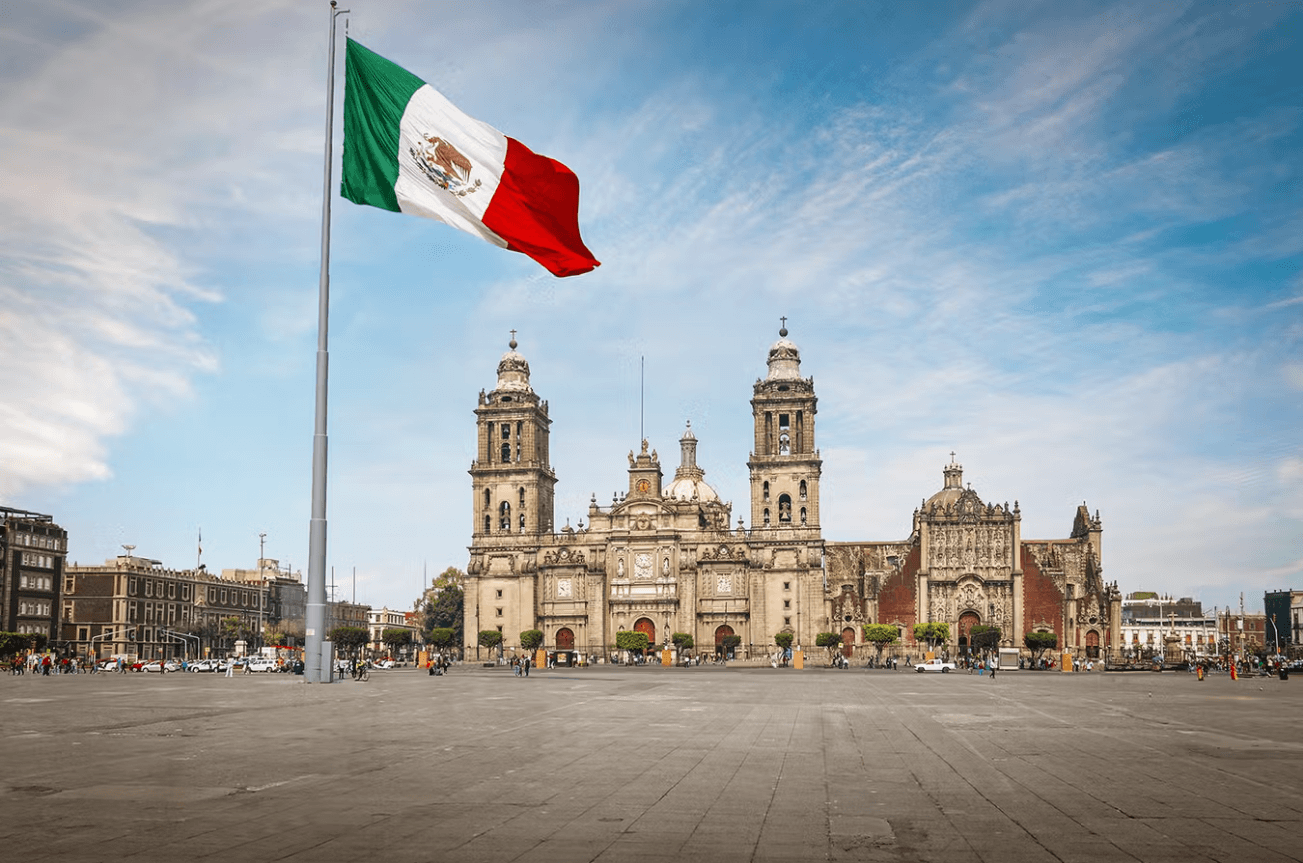 The starting point for everything. It is one of the largest urban plazas in the world. The Mexican Army raises and lowers the flag here every day at 8 AM and 6 PM with a full ceremonial display. On September 15, the president performs the Grito de Independencia from the Palacio Nacional balcony to a crowd that fills every corner.
Palacio Nacional
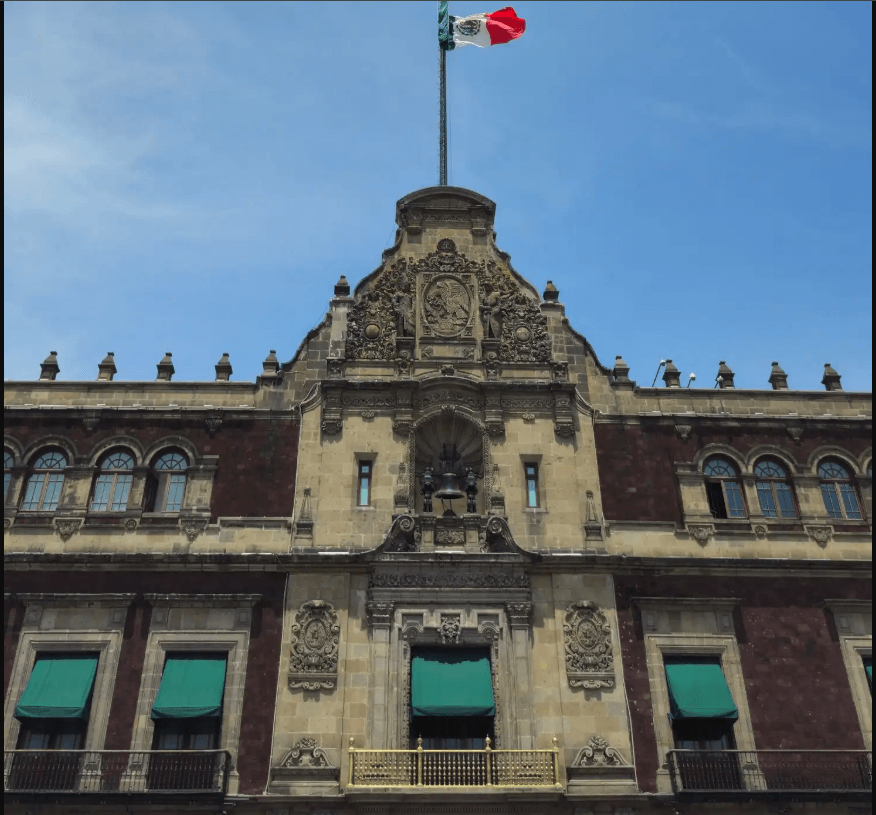 It occupies the entire east side of the Zócalo and is free to enter. The draw is Diego Rivera's "Historia de México" murals, painted across the grand staircase and courtyard between 1929 and 1951. Three walls cover pre-Hispanic life, the Spanish Conquest, the Reform War, the Revolution, and what comes next. Historians have compared the scope to the Sistine Chapel ceiling.
Catedral Metropolitana
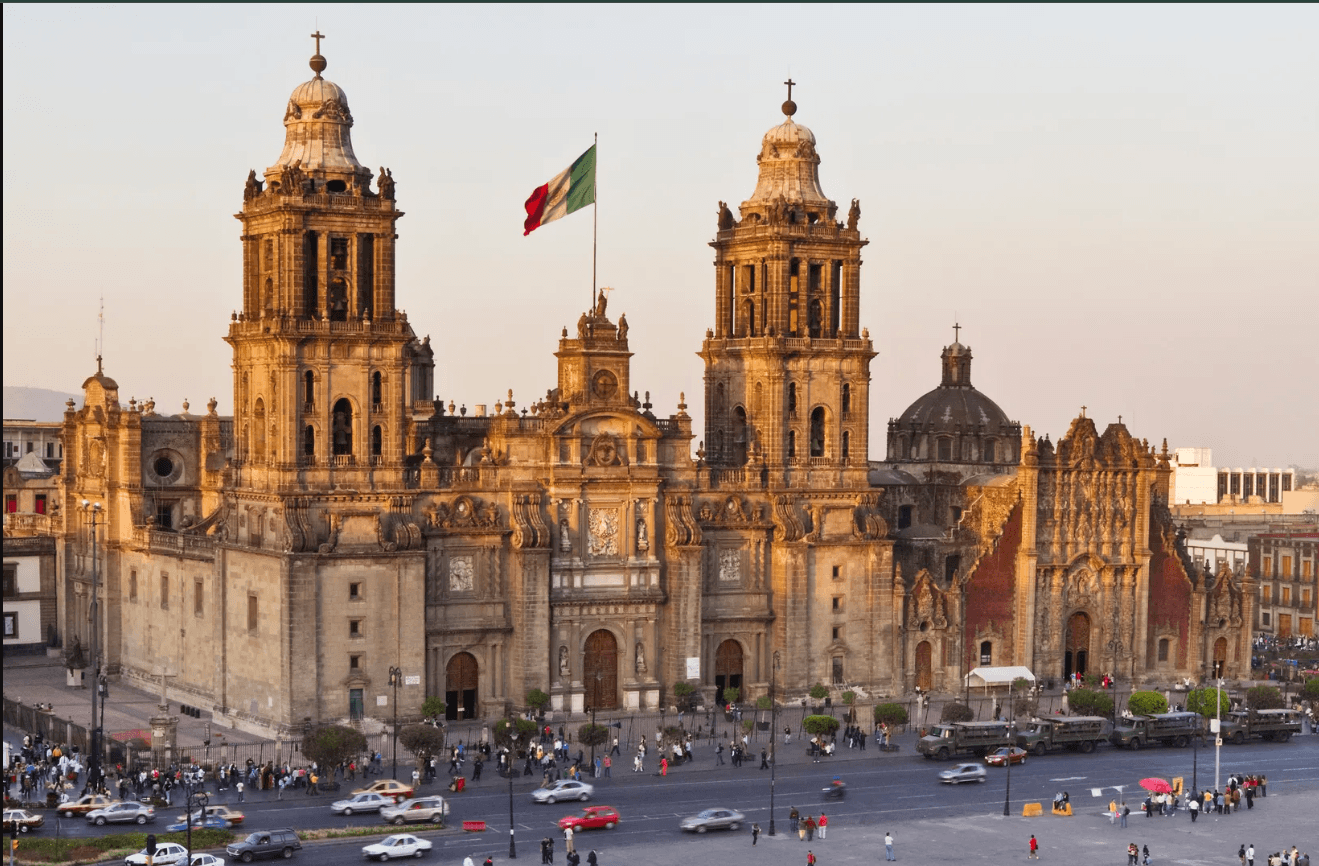 Took 240 years to build (1573-1813), which partly explains why the exterior mixes Gothic, Baroque, and Neoclassical styles without apology. Free entry. Inside, a pendulum hangs from the ceiling and serves as a reference to measure how much the building tilted over time. A visible, functional reminder that Mexico City is built on water.
Templo Mayor
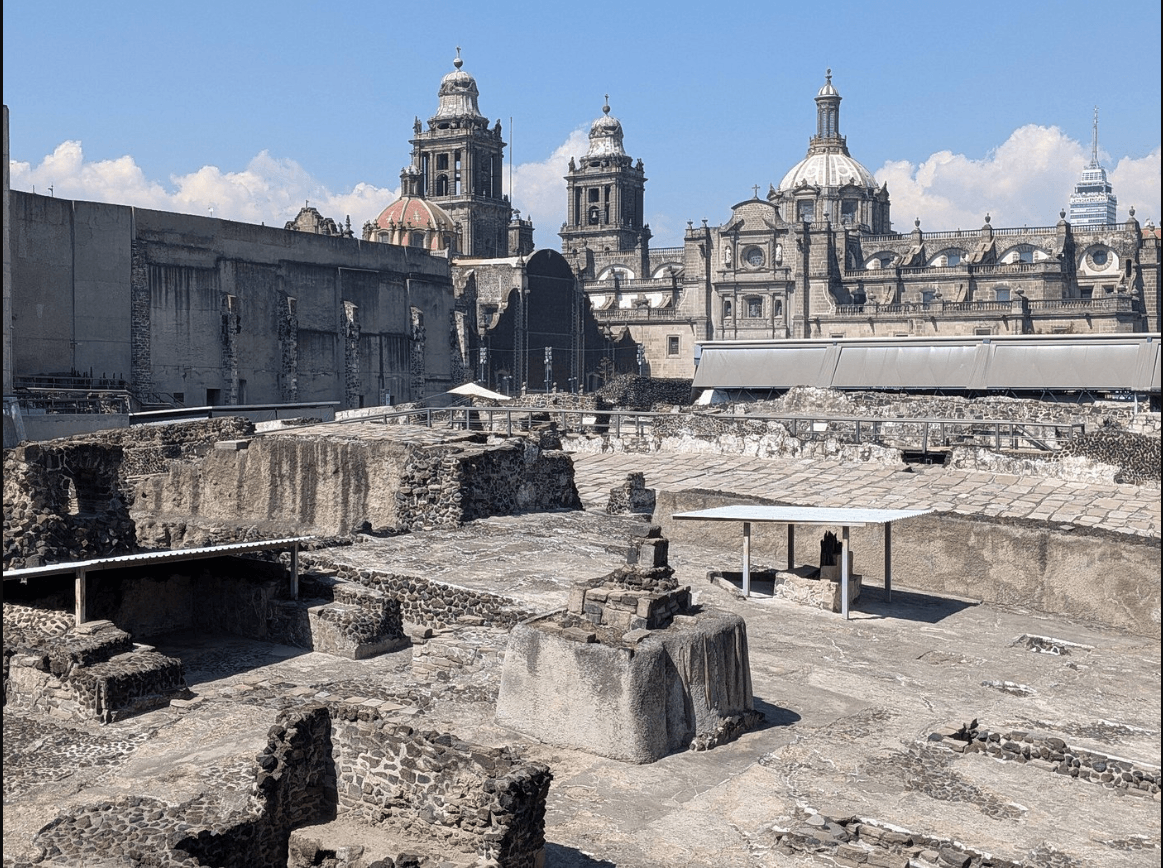 It is the excavated Aztec pyramid discovered on February 21, 1978, when CFE utility workers found an 8-tonne stone disk depicting the goddess Coyolxauhqui. Thirteen buildings were demolished to excavate what turned out to be seven phases of construction dating to the 14th century. Admission is 100 MXN (~$5 USD).

Free English walking tours depart daily from outside the Zócalo at 10 AM.
📍 Avenida Madero & surrounding streets
Avenida Madero
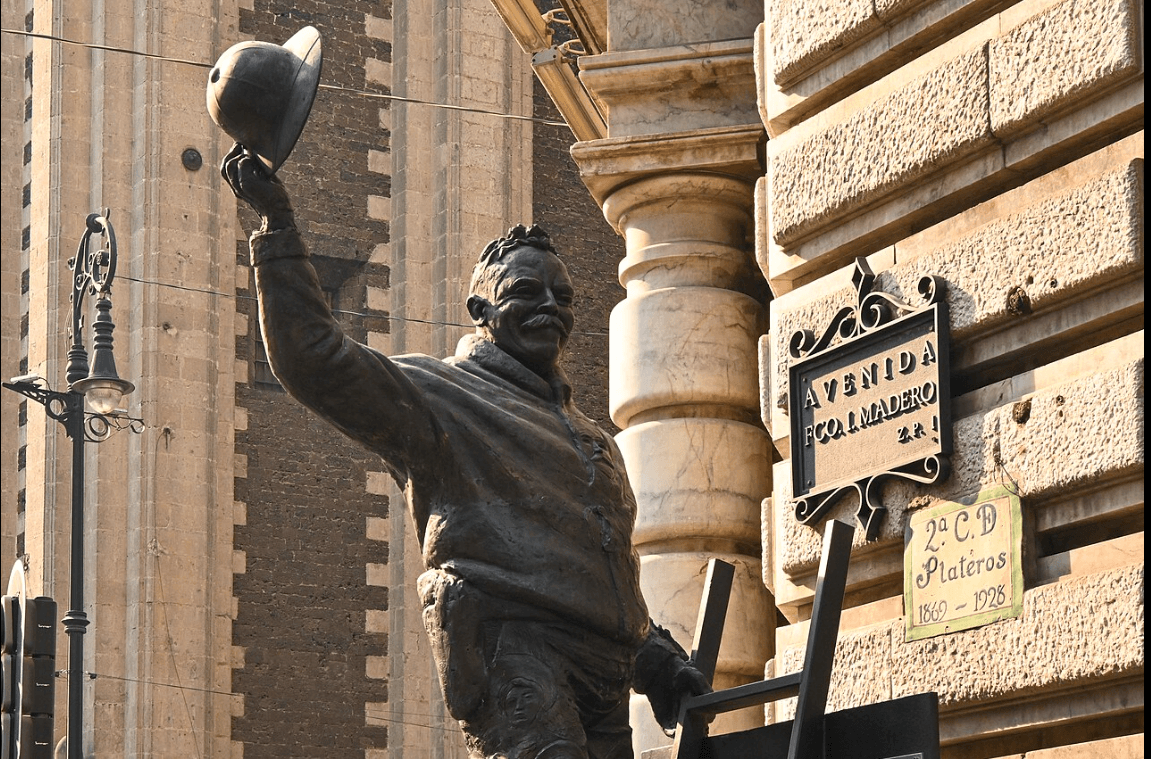 The 700-meter pedestrian street was renamed after revolutionary leader Francisco Madero by Pancho Villa himself on December 8, 1914. Look up constantly: ornate colonial facades, ironwork balconies, and the occasional jarring modernist interruption. The whole street takes about 20 minutes to walk, more if you stop at everything worth stopping at.
Palacio Postal
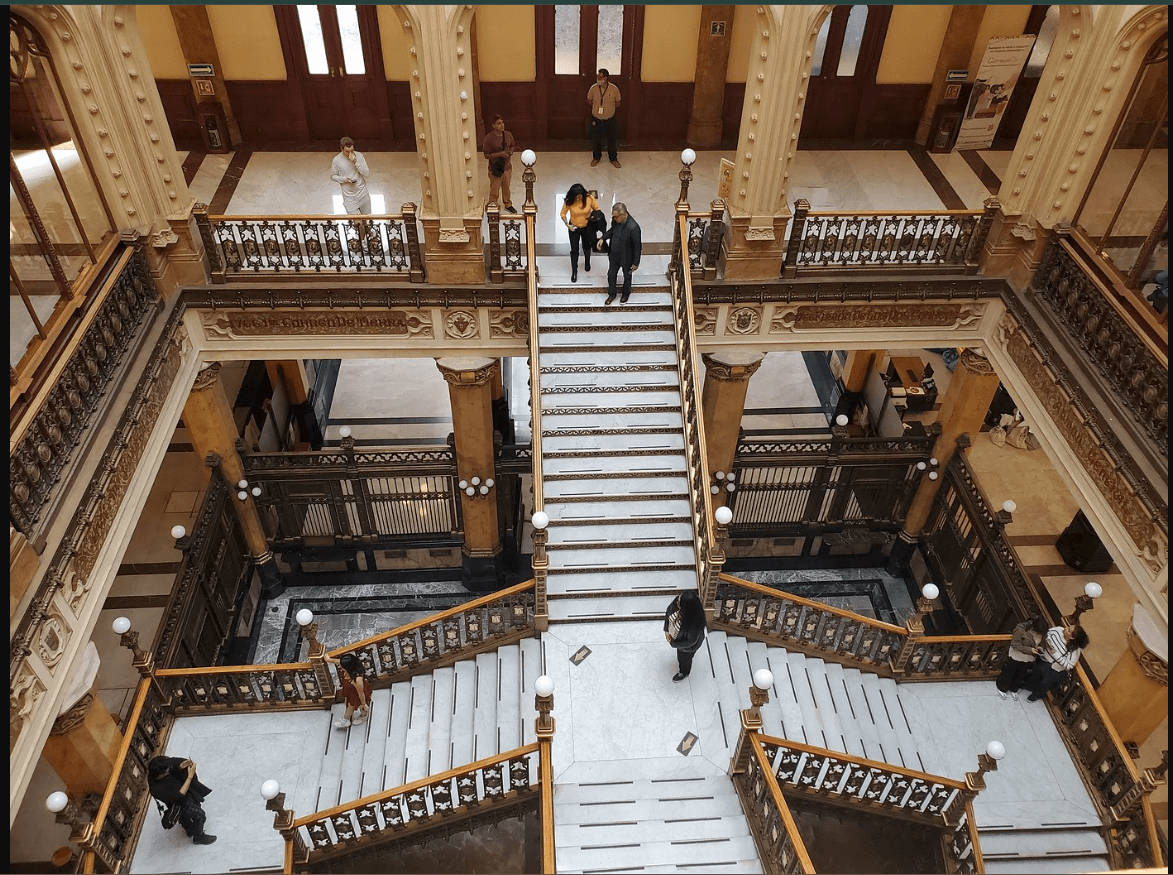 Sits directly across from Bellas Artes and should not be missed. Built between 1902 and 1907 by the same architect as Bellas Artes, it defies classification: Venetian Gothic, Art Nouveau, and Baroque elements across five floors, each window in a different style. It is still a working post office. Entry is free.
Casa de los Azulejos (House of Tiles)
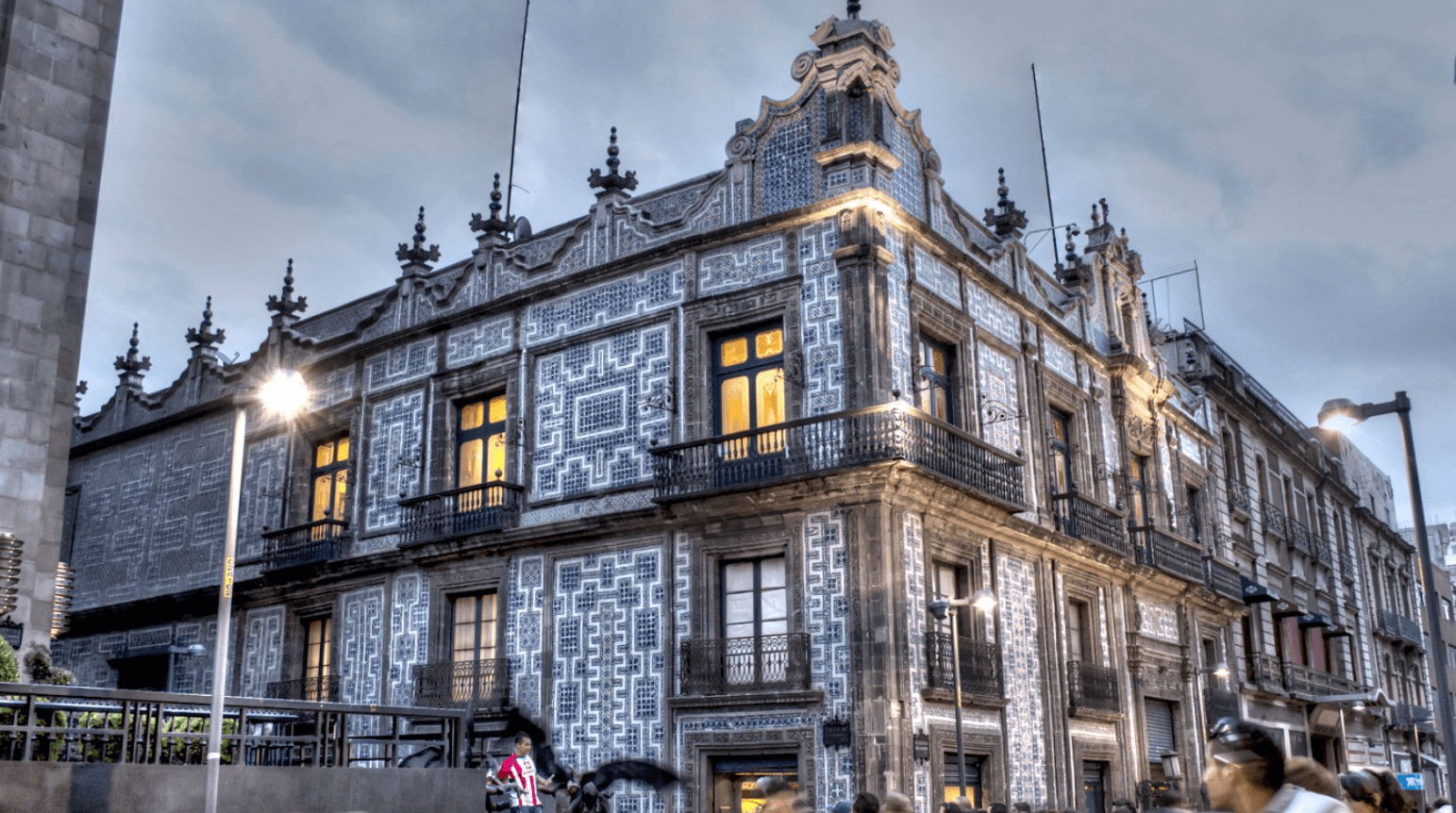 A 18th-century Baroque palace wrapped in hand-painted Talavera tiles, made in Puebla. It is now a Sanborns restaurant, and the interior courtyard has a 1925 Orozco mural. Walk in for the architecture. Stay for a coffee if you want.
📍 Art, culture & museums
Palacio de Bellas Artes
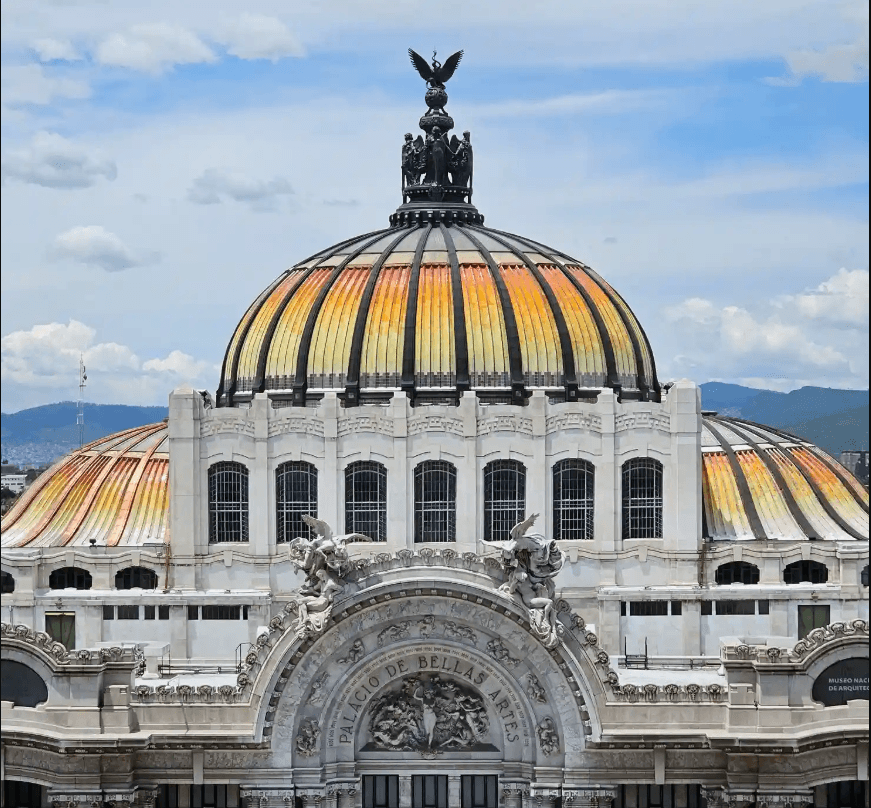 It took 30 years to build (1904-1934), which produced the particular combination of Art Nouveau marble exterior and Art Deco interior that nobody planned but everyone now loves. The second floor holds murals by Rivera, Orozco, Siqueiros, and Tamayo. Rivera's panel here is a recreation of the mural the Rockefellers had destroyed at Rockefeller Center in 1934 after Rivera included Lenin's portrait. Admission is 75 MXN (~$4 USD); free Sundays.
Torre Latinoamericana
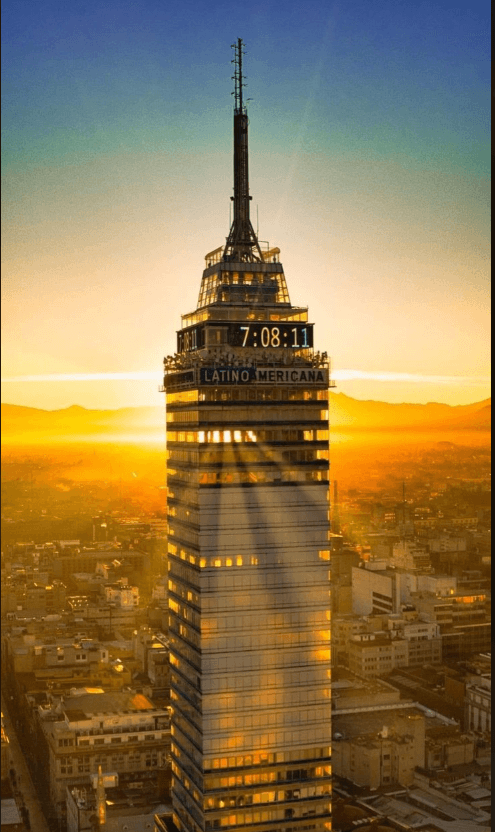 The observation deck on floor 44 is the best aerial view of Centro Histórico available, and the building itself is worth attention: it was the first skyscraper built on Mexico City's soft subsoil to withstand serious earthquakes, surviving both 1957 and 1985 undamaged when surrounding buildings did not. Admission is 170 MXN (~$8.50 USD).
Museo Nacional de Arte (MUNAL)
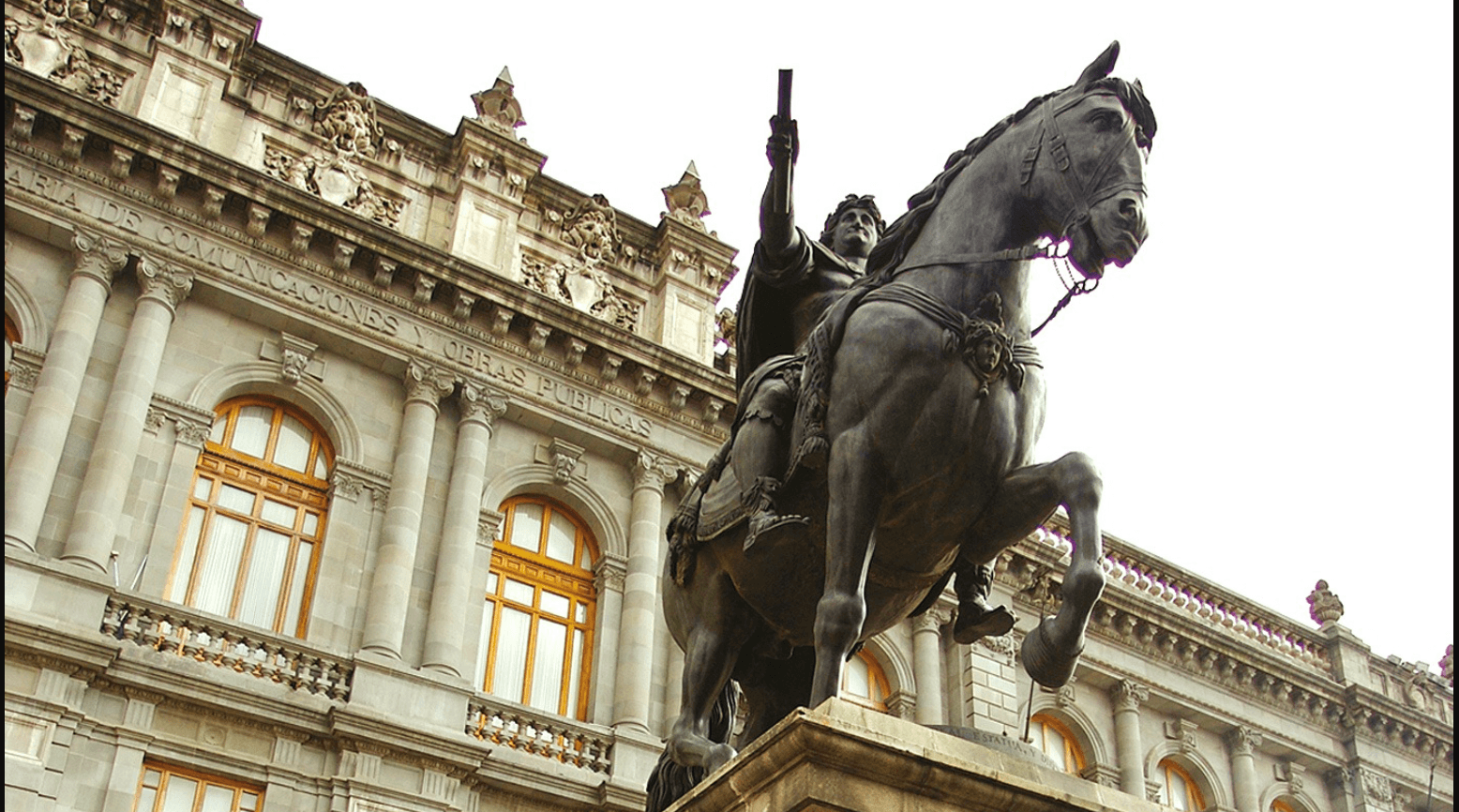 One block from the Zócalo, in the former Palacio de Comunicaciones built with Italian craftsmen between 1904 and 1911. The collection covers Mexican art from 1550 to 1955. The bronze equestrian statue of Charles IV ("El Caballito") outside is one of the finest Neoclassical sculptures in the Americas. Admission 95 MXN.
Museo Mural Diego Rivera
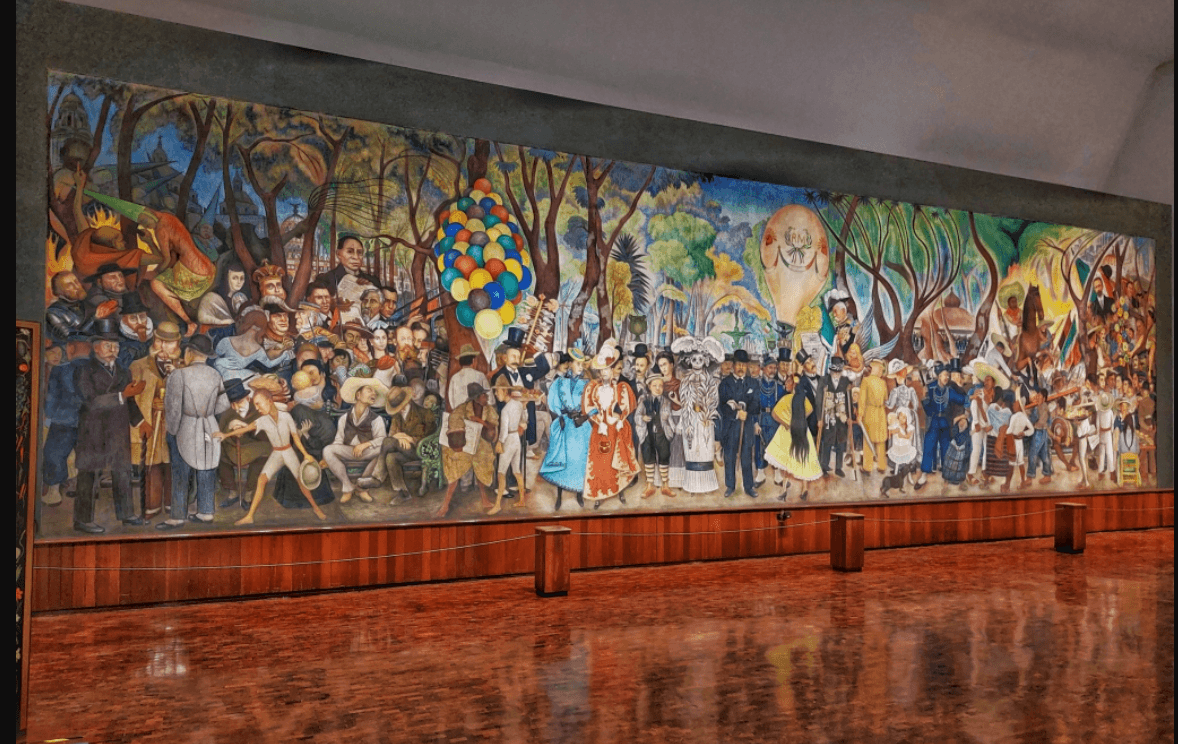 Built specifically to house Rivera's "Dream of a Sunday Afternoon in Alameda Central" (1946-1947), a 15.6-meter fresco depicting over 400 historical figures. The mural was originally painted inside the Hotel del Prado, which was destroyed in the 1985 earthquake. The wall bearing the mural was preserved and a museum built around it. Admission 45 MXN; cash only.
📍 Parks, markets & local life
Alameda Central
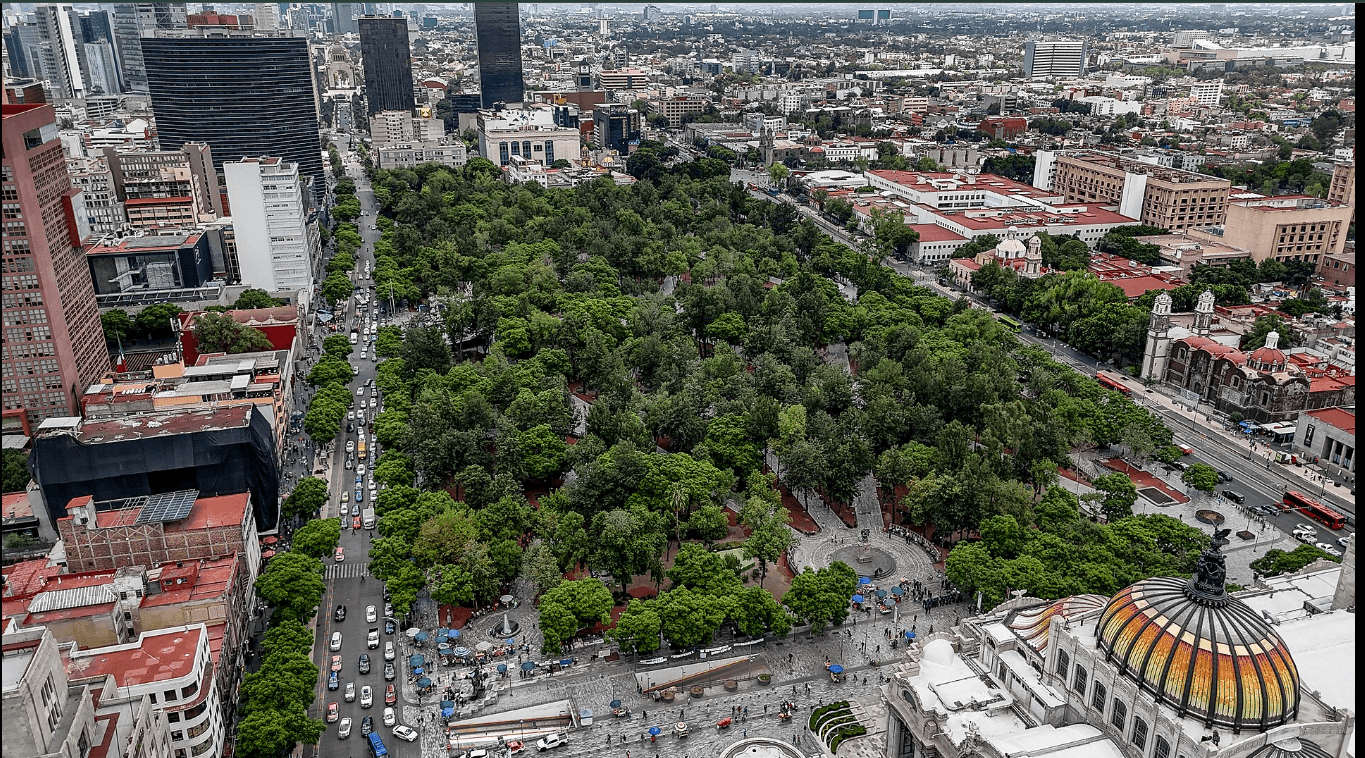 The oldest public park in the Americas, established January 11, 1592, on the site of a former Aztec marketplace. Today: five French-designed fountains, the marble Hemiciclo a Juárez monument, ancient ahuehuete trees, and Sunday crowds that have been showing up for four centuries. Everything important in Centro is within a short walk of its perimeter.
Mercado de San Juan
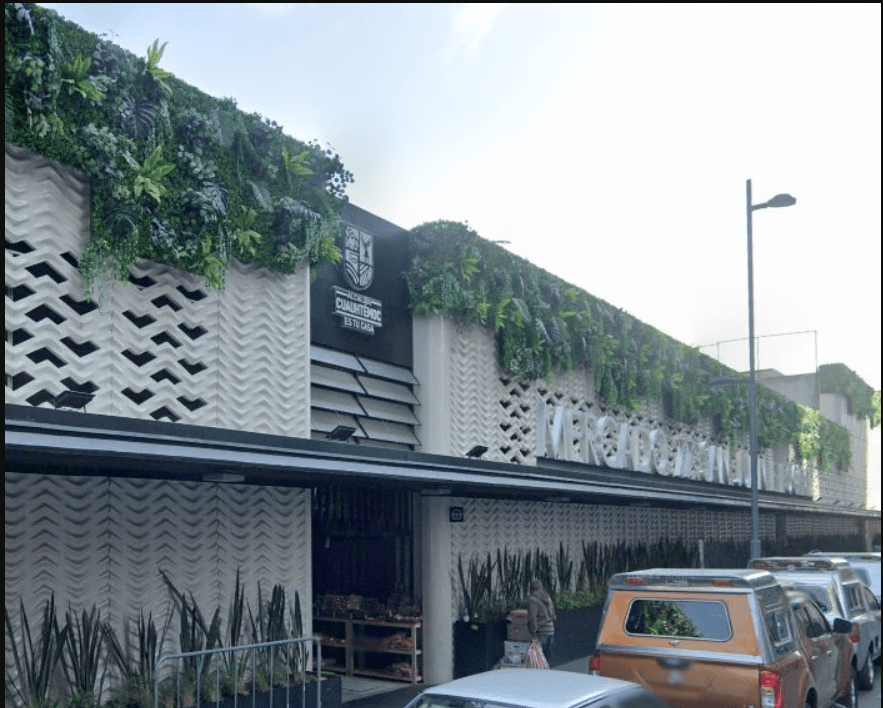 Crocodile, lion, iguana, ant larvae, imported jamón ibérico, European cheeses, and fresh oyster bars are all available in the same narrow passageway. It has been running in its current form since the 1970s and has been specializing in the unusual for longer. Monday through Friday, 6 AM to 6 PM.
Plaza Garibaldi
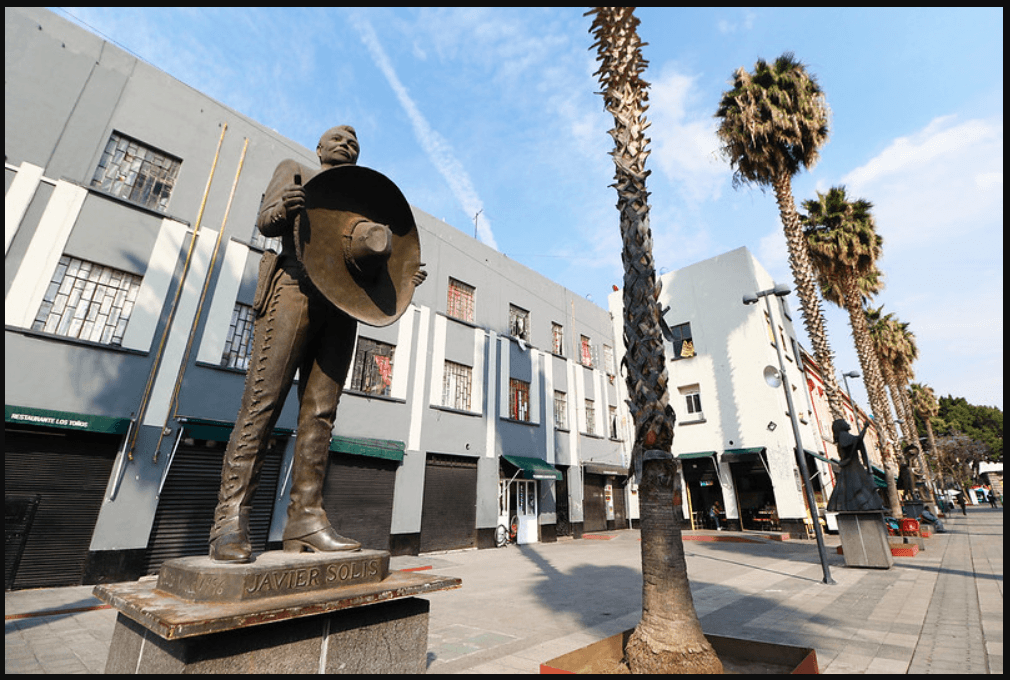 Mariachi bands play here 24 hours a day; Thursday through Saturday evenings are when it becomes a spectacle. The Museo del Tequila y el Mezcal on the plaza has a rooftop bar directly overlooking the bands. A single song from a group runs 150-500 MXN; agree on the price before they start. Always Uber to and from Garibaldi after dark.
Lucha Libre at Arena México
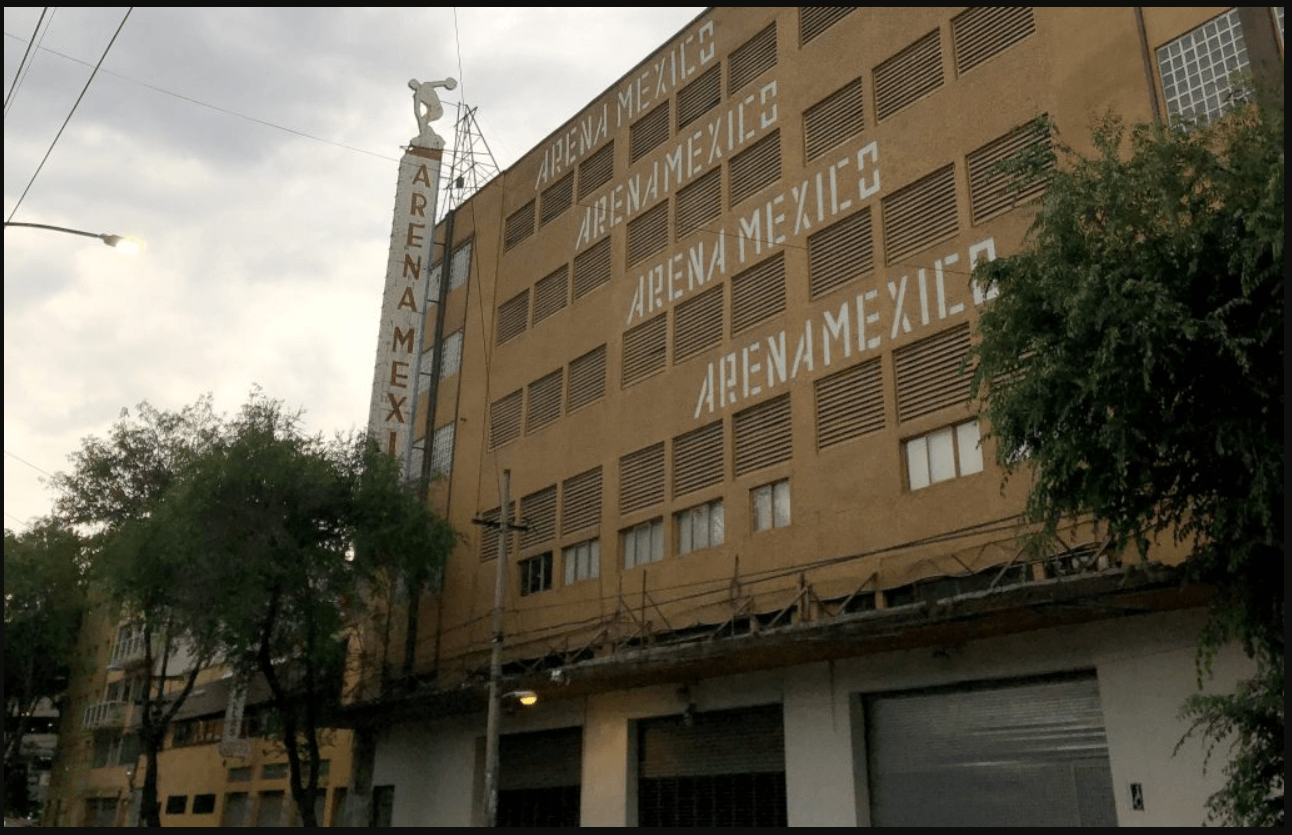 The most entertaining two hours available in the city for roughly $10 USD. The arena at Dr. Lavista 189 is the "Cathedral of Lucha Libre" and home to CMLL, the oldest professional wrestling promotion still in operation in the world. Friday night (Viernes Espectacular, 8:30 PM) is the main event. Buy tickets in advance on Ticketmaster Mexico or at the box office.
Where to eat & drink
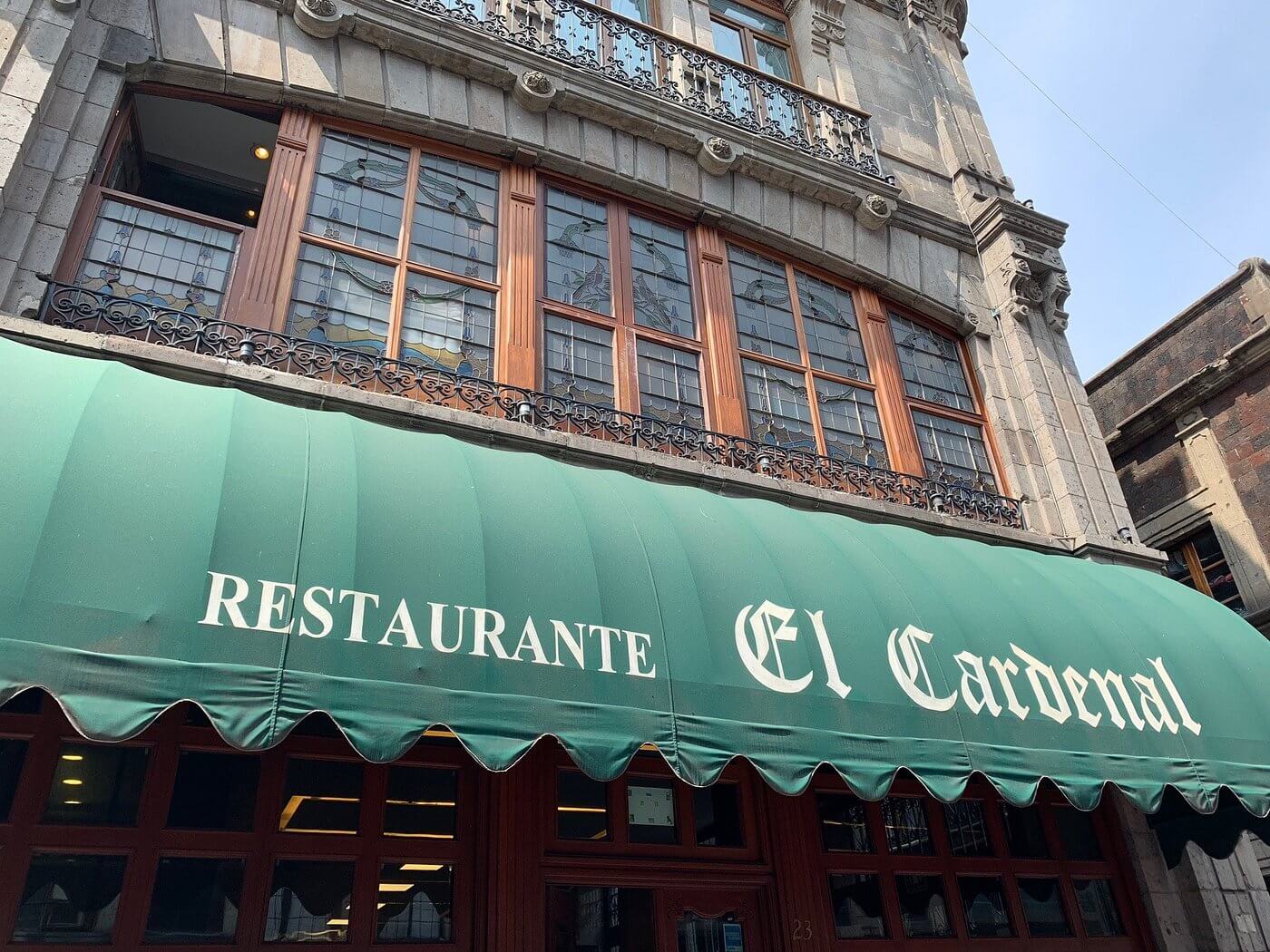
El Cardenal
Traditional Mexican breakfast spot since the late 1960s
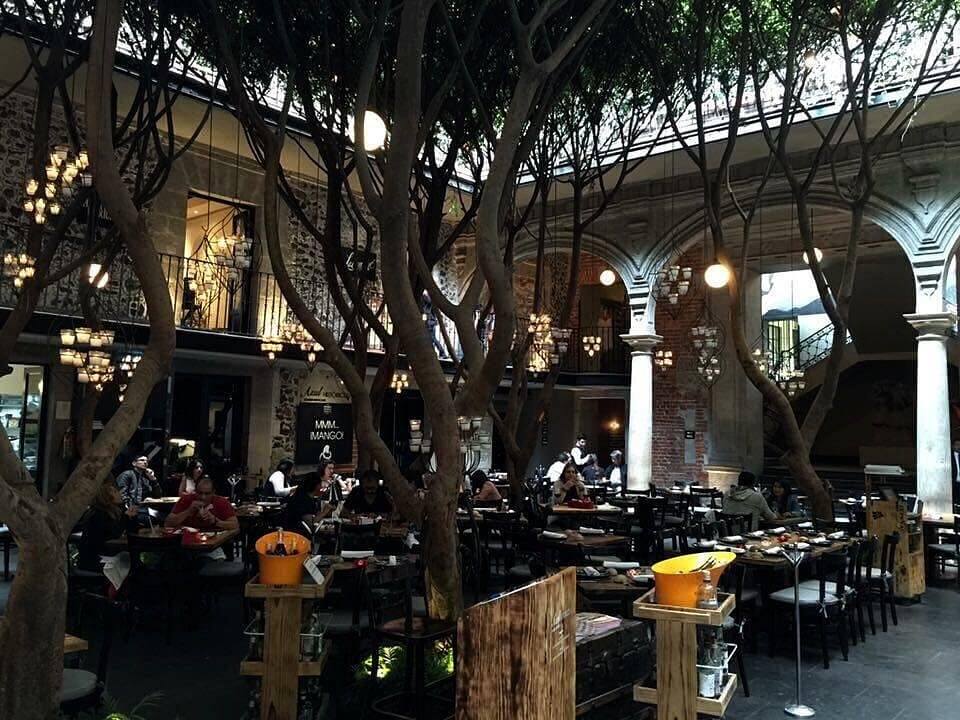
Azul Histórico
Elegant courtyard dining in Downtown Mexico hotel
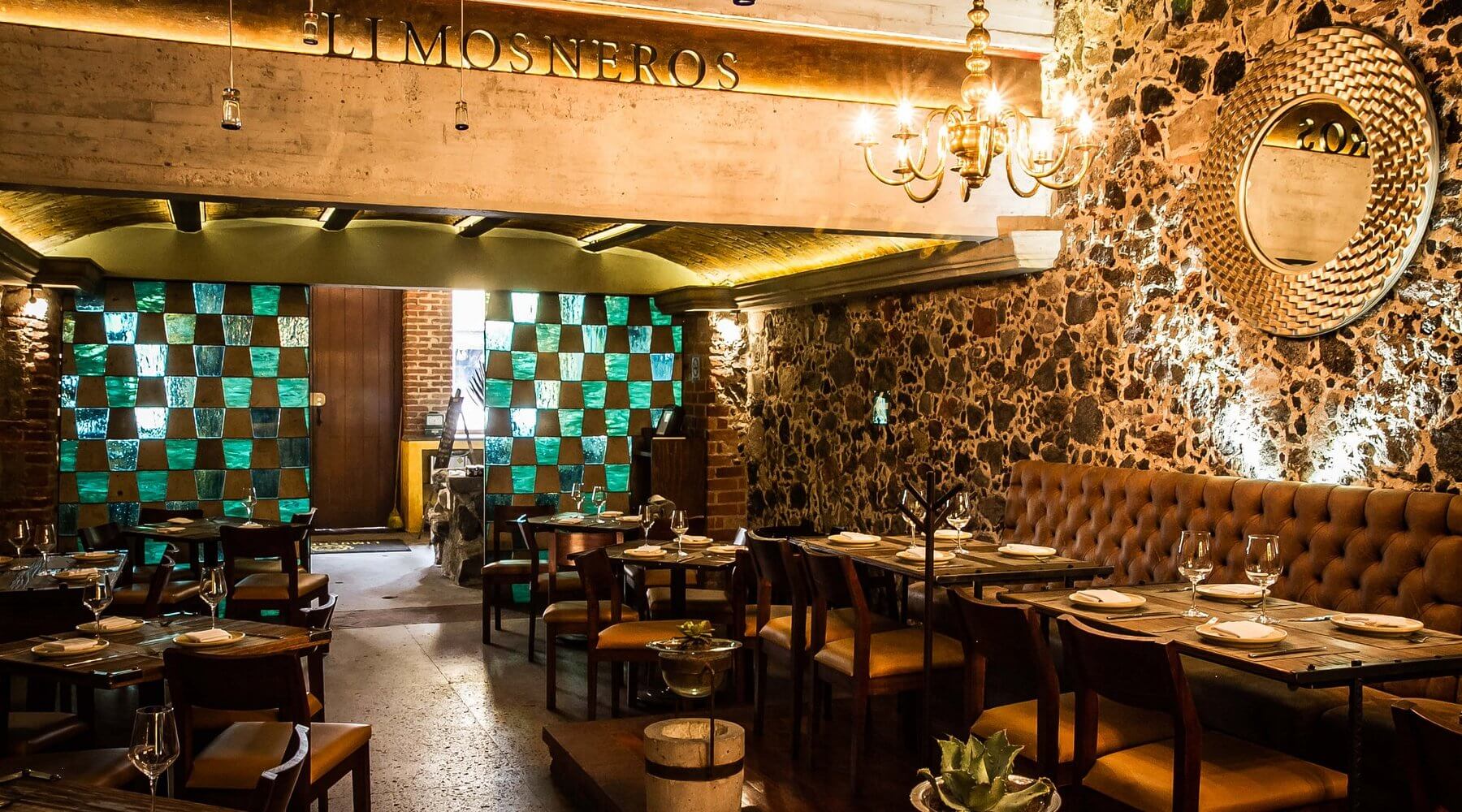
Limosneros
Michelin-recognized fine dining in a colonial convent
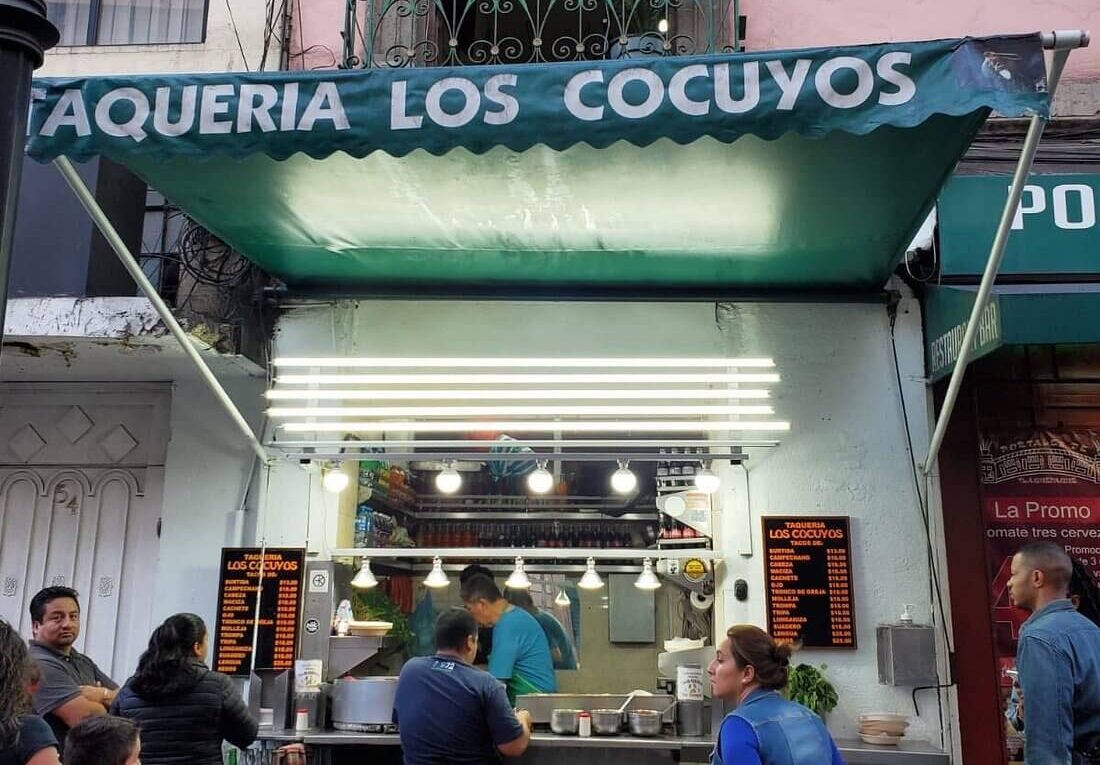
Los Cocuyos
Legendary late-night street taco stand
For a full list, check out our Things to Do in Downtown Mexico City article.
Is Downtown Mexico City safe?
The honest answer is: yes during the day, more carefully at night, and never in Tepito. Tepito is 5-6 blocks north of the Zócalo. It is the highest-risk neighborhood in central Mexico City and not a place tourists should enter. The boundary is sharp and not always obvious.
The main tourist corridor (Zócalo, Madero, Bellas Artes, Alameda, Mercado San Juan) has dedicated Policía Turística and is heavily populated during the day. Pickpocketing on crowded streets is the primary risk, not violent crime. Madero and the metro are the hotspots. Basic vigilance handles most of it.
After 8 PM the calculation changes. Streets thin out, the good blocks and the bad ones start to look similar, and it gets easy to drift somewhere you should not be. Use Uber between destinations. Do not walk from Centro to Roma Norte.
⚠️ Common scams
- Fake police officers asking to inspect wallets
- ATM skimming on standalone machines
- Street taxis from unknown sources
- Distraction pickpocketing teams on Madero and in markets
To compare Downtown Mexico City with other areas and get a full safety overview, check out our Is Mexico City Safe? guide.
Neighborhoods near Downtown Mexico City
Several of Mexico City’s most important areas sit within a short distance of Centro Histórico, and each one changes how you experience the city.
Roma Norte is the most popular pairing with Centro, roughly 3 km west and a 10-minute Uber from the Zócalo. Better restaurants, better nightlife, and streets that are easy to walk at night. Most visitors use Roma Norte as their base and do Centro as a day trip, or the other way around. Our Roma Norte neighborhood guide covers everything you need to know.
Condesa borders Roma Norte to the west and is the quieter, greener option for those who want park mornings and a slower pace. It sits at a similar distance from Centro as Roma Norte. See our Condesa neighborhood guide for the full breakdown.
For the full rundown of every area and who each one suits, see our Mexico City neighborhoods guide.