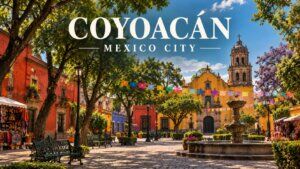
Mexico City is generally safe for travelers who stay in the right neighborhoods and follow a few basic precautions. Some areas are very safe, others are best avoided.
This guide breaks down the safest neighborhoods, the areas to avoid, the most common scams, and tips for staying safe in Mexico City.
Clicking on sponsored links makes our trips come to life.
Learn more
Is Mexico City safe for tourists?
Yes, you are safe if you are traveling to the major and most popular tourist neighborhoods like Roma Norte, Condesa, and Polanco.
But if you are venturing beyond the well-established tourist hubs and spots in Mexico City, we recommend you check the table below to see where extra caution is necessary to make your trip enjoyable and safe.
The US State Department rates Mexico City at Level 2: “Exercise Increased Caution.” That is the second-lowest rating of four tiers. France, Italy, the UK, and the Bahamas carry the same rating.
Neighborhood
Safety level
Best For
Polanco
Very safe
Luxury travelers, families
Roma Norte
Very safe
First-timers, foodies, nightlife
Condesa
Very safe
Couples, slow travel, parks
Centro Histórico
Safe by day, caution at night
History lovers, budget stays
Juárez
Safe
Budget-conscious, younger travelers
Coyoacán
Safe
Day trips, culture
Tepito
Avoid
No tourist reason to visit
Iztapalapa
Avoid
High crime, not tourist-facing
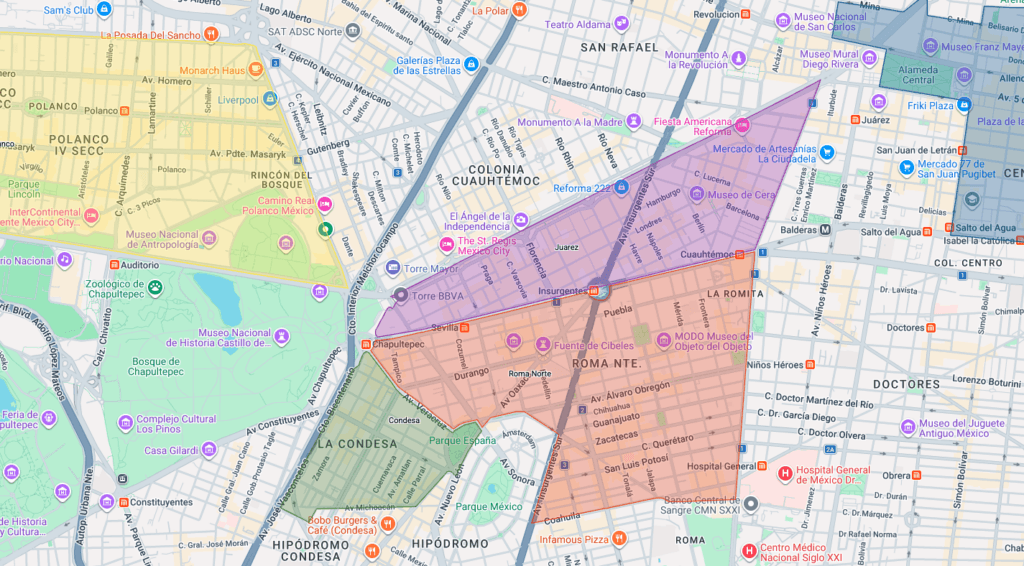
Mexico City safety map
The map below highlights neighborhoods that are considered among the safest in Mexico City and where many travelers choose to base their stay.
The map of Mexico City neighborhoods
Mexico City safety: quick overview
No time to read the full guide? Here is what you actually need to know.
The short answer is yes
Mexico City is safe for tourists who stay in the right neighborhoods and follow a handful of rules. The city welcomed roughly 14 to 15 million hotel guests in 2024. The vast majority had no problems. The ones who did made avoidable mistakes.
Stay in Roma Norte, Condesa, or Polanco
These three neighborhoods are safe enough to walk at night, full of excellent hotels and restaurants, and where the overwhelming majority of tourists stay. Centro Histórico is fine by day. Use Uber after dark.
Never get into a taxi you did not request through an app
Express kidnapping in Mexico City most commonly starts with a street taxi or an unofficial vehicle, though gangs also target victims at ATMs, restaurant exits, and through dating apps. Use Uber or DiDi for every trip. Verify the driver's name, photo, and plate before you get in.
Keep your phone in your pocket while walking
Motorbike phone snatching happens even in safe neighborhoods. Do not walk with your phone in your hand. Check your maps at a corner, then put it away.
Use ATMs inside bank branches
Street ATMs carry skimming risk. Bank branch ATMs during daylight hours are the standard safe choice. Cover your PIN every time.
Avoid Tepito, Iztapalapa and Doctores
Genuinely dangerous and linked to organized crime. Steer clear of Iztapalapa's rougher southern sections and Doctores after dark. There is no tourist reason to visit any of these areas.
Altitude
The city sits at 2,240 meters. Expect headaches and fatigue for the first day or two. Drink water. Go easy on alcohol until you acclimatize.
Not all of Mexico City is the same. Not even close. The city is divided into 16 boroughs and hundreds of colonias. A handful of central neighborhoods hold the vast majority of tourists, and those neighborhoods are dramatically safer than the city average. Stick to these areas and your risk profile changes completely.
Roma Norte, Condesa & Polanco
These three neighborhoods are where Mexico City keeps its best hotels, its world-ranked restaurants, and its most walkable, well-lit streets. They are also the safest places to stay in the city, and our where to stay in Mexico City guide breaks down the best hotels in each. And if Roma Norte’s already your pick, our where to stay in Roma Norte guide goes deeper on that one neighborhood.
1
Roma Norte
It is he most popular first-timer base. Tree-lined boulevards. Constant foot traffic from breakfast through last call. Solo travelers report walking Roma Norte at midnight without incident, keeping basic awareness about where they carry their phone.
2
Condesa
Located against Roma Norte's western border and shares most of its safety profile. Parque México and Parque España keep streets active through daylight hours. The crowd is heavily expat and professional. Walking on main streets after dark is broadly considered safe. Blocks near nightclubs get loud and chaotic after midnight. An interior-facing hotel room solves most of that.
3
Polanco
Ranked among the top safest neighborhoods in Mexico City. Embassies, international businesses, and five-star hotels generate a near-constant security presence. Wide, well-lit avenues.
Other safe neighborhoods in Mexico City
1
Coyoacán
Sits in the south of the city, home to the Frida Kahlo Museum, the Coyoacán market, and a bohemian-artsy crowd. Strong foot traffic during the day. Generally very safe for tourists within the central plaza area. It is further from the central tourist neighborhoods but worth the Uber.
2
Juárez (Colonia Juárez)
Sits between Roma Norte and Paseo de la Reforma. Increasingly popular with younger travelers. Good independent restaurants and bars. Considered safe with standard precautions. Stay on main streets after dark.
3
Zona Rosa
Borders Juárez and was once Mexico City's expat hub. Now more tourist-facing. Generally fine by day. Use Uber at night.
4
Centro Histórico
The Historic Center is safe during the day. After dark, streets east of the Zócalo thin out, pickpocketing risk rises, and Uber becomes the right call over walking. For most visitors, Centro is a day-trip destination.
Avoiding the more dangerous areas in Mexico City will make sure your trip is the most enjoyable experience possible. Every major city has neighborhoods that offer tourists nothing and carry real risk. What makes Mexico City different is that some of these areas sit close enough to tourist zones that disoriented travelers occasionally end up in them, but worry not as we covered them all bellow:
1
Tepito
Tepito sits about a 15-minute walk northeast of the Zócalo. It calls itself "El Barrio Bravo" (The Fierce Neighborhood), and it earns the name. It is a black market district: stolen goods, counterfeit products, and an entrenched drug economy. Police presence is minimal. Mexico City locals who have lived in the city their entire lives will tell you they do not go to Tepito. There is no attraction there that justifies the risk. None. Do not go to Tepito.
2
Iztapalapa
Gang activity is frequent. If a specific cultural event draws you there, go by direct Uber transport, stay on the main event route, and leave immediately after. Do not explore on foot.
3
Doctores
Runs higher than surrounding neighborhoods for auto theft and violent crime. Arena México, the iconic Lucha Libre venue, sits here. Lucha Libre is worth attending: take Uber directly to the arena entrance and leave the same way. Do not walk the surrounding streets, especially after dark.
If your navigation app routes you through an empty, poorly lit side street after dark, trust your gut over your GPS. Turn around and call an Uber.
Most common crimes & scams targeting tourists
Petty crime against tourists follows patterns. The same scams repeat. The same situations produce the same risks. Knowing what they are eliminates most of the risk upfront. These are the specific threats that target tourists in Mexico City, in order of how often they come up in traveler accounts.
📱 Phone theft by motorbike
A motorcyclist or someone on a bicycle snatches a phone directly from a pedestrian's hand. It happens fast. It has been reported all around Mexico City by travelers walking while looking at their screens. Do not use your phone in open view while walking. Check your maps before you turn a corner, then pocket it.
🎒 Pickpocketing
The metro is the highest-risk environment in the city. Crowded stations and packed carriages are exactly where pickpockets operate. Busy street markets, crowded queues, and anywhere large crowds compress. Only carry the cash you need for the day.
🚕 Taxi scams & fake ubers
Never get into a taxi you did not request through an app. Uber and DiDi show the driver's name, photo, and license plate before you get in. Verify them. Sit in the back seat. If someone at the airport approaches you claiming to represent a ride-share, do not get in. Open the app yourself.
🏧 ATM skimming
Skimming devices planted in ATMs harvest card data. The highest-risk machines are standalone units on streets and in tourist-facing businesses. Use ATMs inside bank branches during banking hours. Cover your PIN every time. Use a credit card rather than a debit card wherever possible. Credit cards have chargeback protection that debit cards do not.
🚔 Fake police extortion
Criminals in police uniforms approach tourists and demand immediate cash fines for fabricated violations. Real police issue written citations and direct you to a station. Real police do not demand cash on the street. Ask for the officer's badge number. Call 078 (tourist assistance line) or 911. Offer to go to the nearest police station to resolve the matter.
Health & environmental safety in Mexico City
A few things beyond crime that catch travelers off guard.
Altitude (2,240m) Headaches, fatigue, and disrupted sleep are common on arrival. Drink more water than you think you need, skip alcohol the first day, and take it easy. Most people adjust within 48 hours.
Air quality The city sits in a mountain basin that traps pollution. On bad days you can see it over the skyline. Check the air quality index before heading out, especially if you have asthma or respiratory conditions.
Mosquitoes Low risk within the city. The altitude keeps them mostly in check. If combining Mexico City with coastal Mexico or the Yucatán, pack repellent. Dengue is present in lower-altitude regions.
Medical care Private hospitals are excellent. Hospital Ángeles, ABC Medical Center, and Médica Sur are all internationally regarded with English-speaking doctors available. Get travel insurance before you go.
Earthquakes Mexico City is seismically active and built on a former lakebed, which amplifies tremors. The most recent significant one hit on May 4, 2026. Check our full article on what happened and what it means for travelers. The city builds to strict standards and locals drill regularly.
Last updated:
FAQ
Questions about safety in Mexico City
Which is the safest area to stay in Mexico City?
Roma Norte is the safest area to stay in Mexico City, offering a good mix of safety and rich local experiences right at your doorstep without venturing too far.
Is Mexico City safe for tourists?
Yes, with context. Tourist zones including Roma Norte, Condesa, and Polanco are broadly safe with standard big-city precautions. Violent crime targeting tourists is statistically uncommon. Petty theft and taxi-related crimes are the realistic risks. Use Uber, keep your phone in your pocket, and stay in the right neighborhoods.
Is it safe for Americans in Mexico City right now?
In the main tourist neighborhoods: generally yes, on active streets. Centro Histórico should be navigated by Uber after dark rather than on foot.
Is Teotihuacan safe to visit?
Yes. A shooting near the pyramids made international headlines in 2026, but the incident did not involve tourists and the site remains one of the most visited in the country. Read our full breakdown of what happened and what it means for visitors.
Is Mexico City safe for solo female travelers?
Doable and rewarding, with greater vigilance required than in comparable European cities. Stay in Roma Norte, Condesa, or Polanco. The majority of solo female travelers who have documented their experiences report no serious incidents when following standard precautions.
What is the US State Department travel advisory for Mexico City?
Level 2: Exercise Increased Caution. The second-lowest of four tiers. The same rating applies to France, Italy, the UK, and the Bahamas. The high-risk Mexican states rated Level 4 (Do Not Travel) are entirely separate regions and do not include Mexico City.
Is it safe to eat street food in Mexico City?
Generally yes. High-turnover stands frequented by locals are the safest option. Avoid raw seafood from street vendors. Do not drink tap water anywhere in the city. Most travelers who exercise basic judgment eat street food throughout their trip without issue.
My name is Danilo Stanin. I am a travel writer and a graduate in the Tourism program at the Faculty of Sciences, University of Novi Sad in Serbia.
Mexico City has fascinated me for years, and this site is where I share travel tips and tricks backed by real knowledge of the topic. Every guide is built on hours of research and what I've learned through my studies in tourism.
"Mexico City has fascinated me for years, and this site is where I share travel tips and tricks backed by real knowledge of the topic."


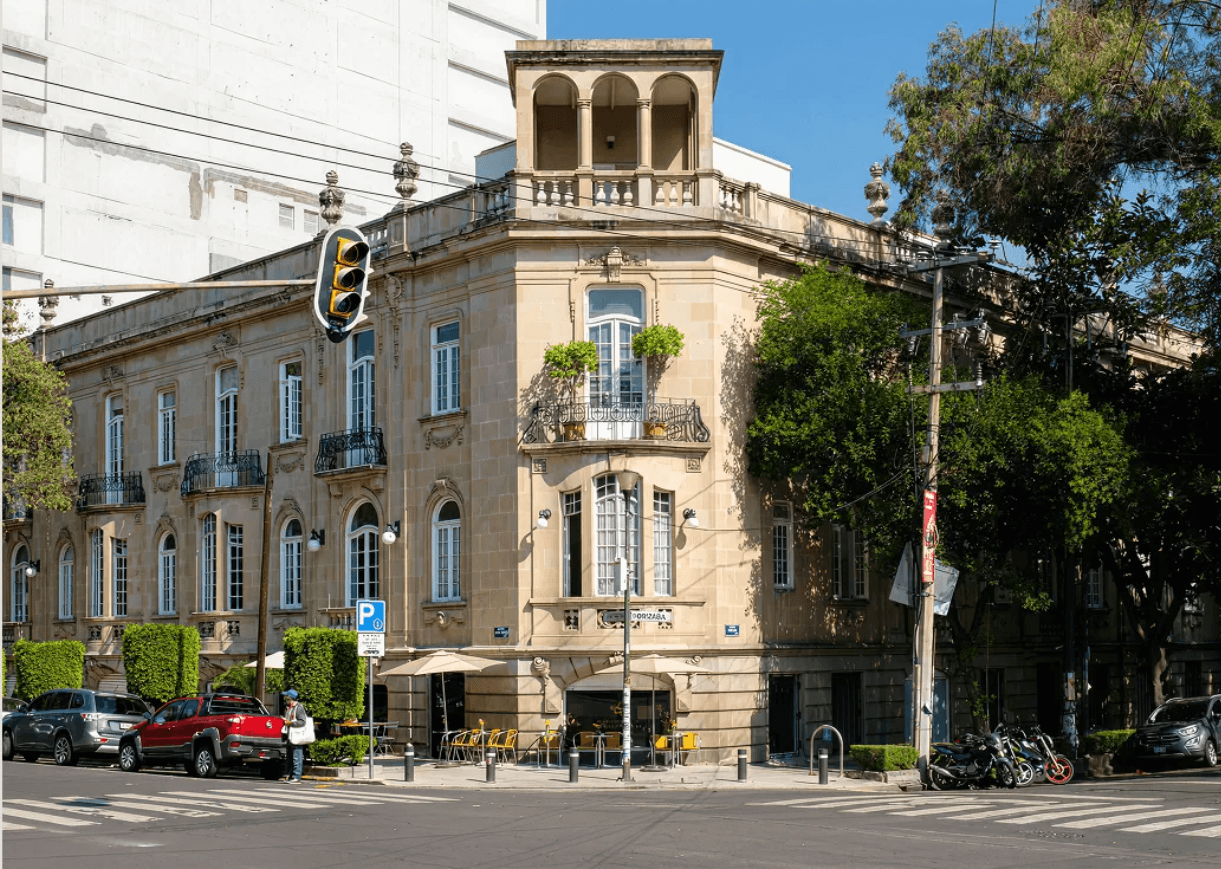 It is he most popular first-timer base. Tree-lined boulevards. Constant foot traffic from breakfast through last call. Solo travelers report walking Roma Norte at midnight without incident, keeping basic awareness about where they carry their phone.
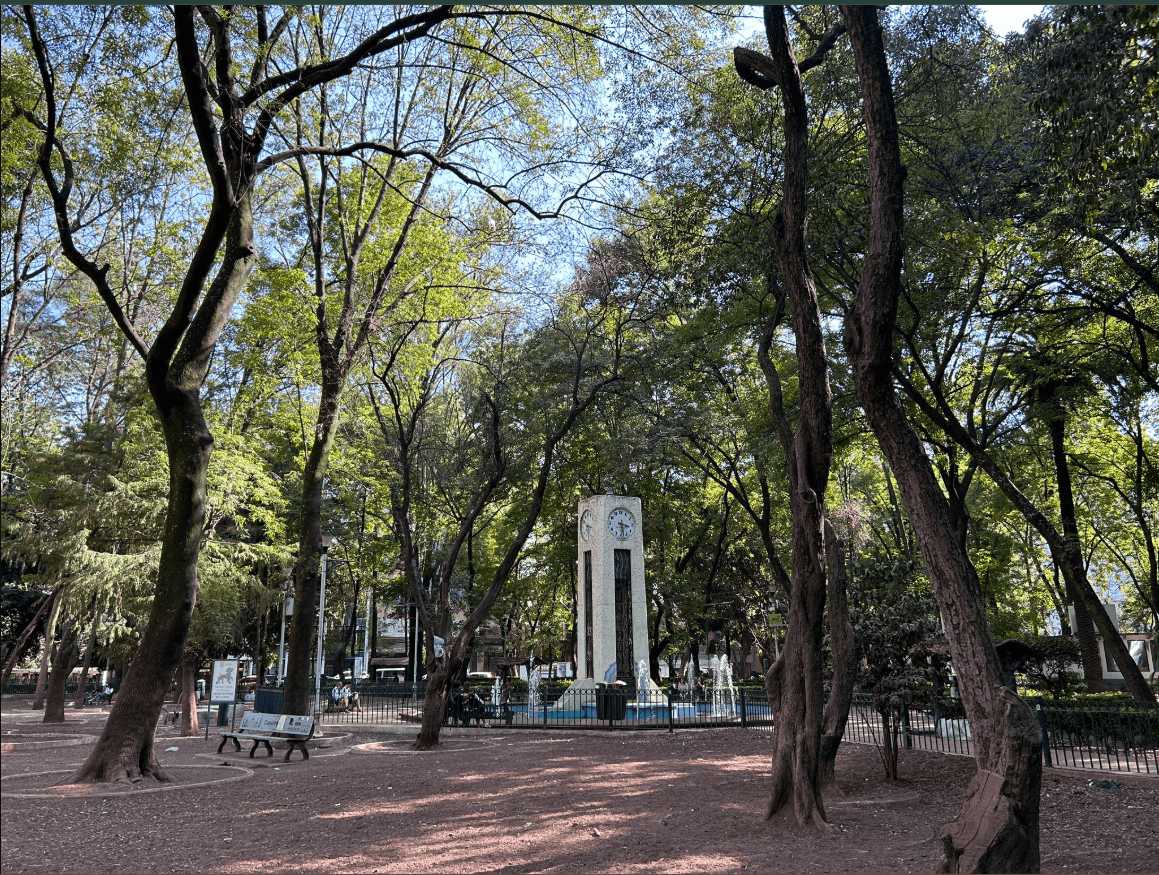 Located against Roma Norte's western border and shares most of its safety profile. Parque México and Parque España keep streets active through daylight hours. The crowd is heavily expat and professional. Walking on main streets after dark is broadly considered safe. Blocks near nightclubs get loud and chaotic after midnight. An interior-facing hotel room solves most of that.
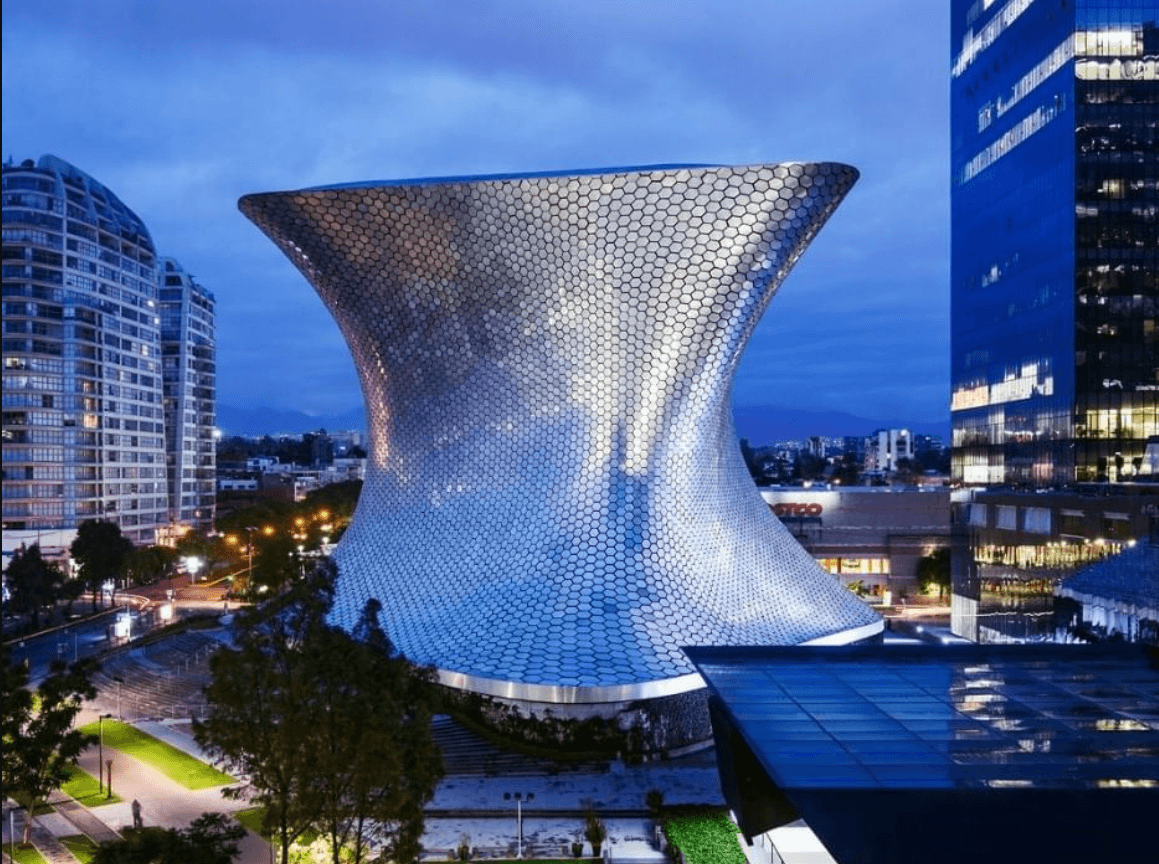 Ranked among the top safest neighborhoods in Mexico City. Embassies, international businesses, and five-star hotels generate a near-constant security presence. Wide, well-lit avenues.