
Mexico City neighborhoods map
Here is the full map overview of each neighborhood in Mexico City and where they are located (click to open the full map):
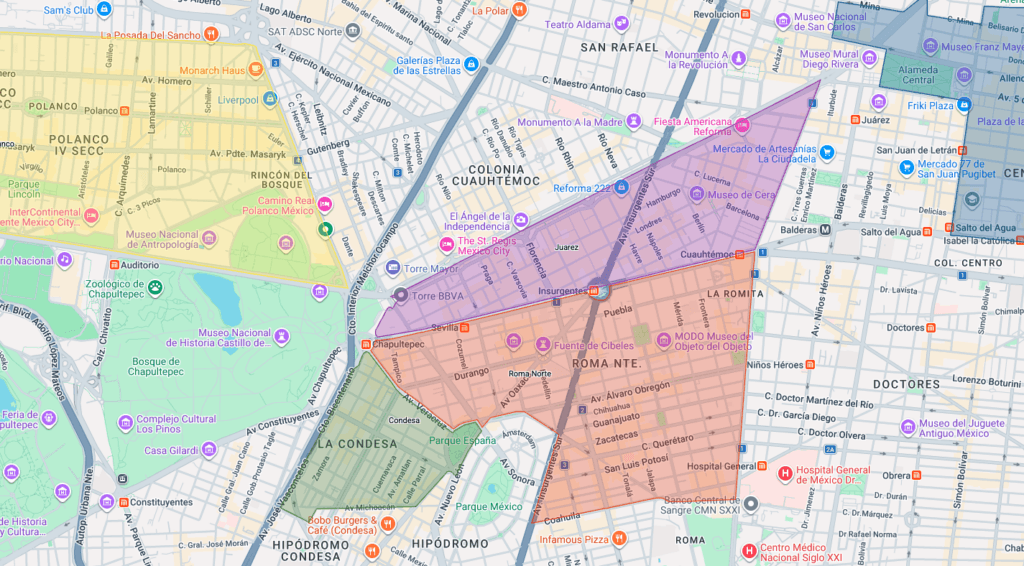
Mexico City neighborhoods at a glance
Most first-timers should base themselves in Condesa or Roma Norte, then branch out from there. If you already know you want somewhere design-led, skip ahead to our pick of the best boutique hotels in Mexico City. The table below matches each neighborhood to what you’re after.
| Best for… | Neighborhood |
|---|---|
| First-time visitors | Condesa or Roma Norte |
| Foodies | Roma Norte |
| Nightlife | Juárez / Zona Rosa |
| Luxury travelers | Polanco |
| Budget travelers | Centro Histórico |
| Families | Coyoacan |
| LGBTQ+ travelers | Zona Rosa |
| Culture & bohemian vibes | Coyoacan |
Understanding colonias vs. alcaldías
Mexico City is divided into 16 alcaldías (boroughs), each containing dozens of colonias. When locals say they live in “Roma” or “Condesa,” they mean the colonia, not the borough. Think of it like saying you live in the West Village rather than Manhattan.
Most tourist activity happens across three boroughs: Cuauhtémoc (Centro, Roma, Juárez), Miguel Hidalgo (Polanco, Reforma), and Benito Juárez (Narvarte, Del Valle).
The main zones: Centro, Roma-Condesa corridor, Polanco, South CDMX
Centro is the historic core, ancient ruins, colonial palaces, and street markets all within walking distance of the Zócalo.
Roma-Condesa is the tourist and expat hub. Walkable, safe, and dense with restaurants, parks, and cafés. This is where most visitors end up, and for good reason.
Polanco sits northwest of Chapultepec Park, upscale, quieter, and more spread out. Reforma runs through the middle of the city, connecting these zones.
South CDMX (Coyoacán, San Ángel, Xochimilco) is cultural Mexico City. Best visited on day trips from a northern base.
How far apart are the neighborhoods?
The Roma–Condesa–Juárez triangle is walkable, about 20 minutes end to end on foot. Polanco is 15 minutes by Uber from Roma; Centro is 20–30 minutes.
Coyoacan and San Ángel are 30–40 minutes from the center by Metro or Uber. Plan for these as half-day or full-day trips.
Best Mexico City neighborhoods to stay in
Condesa
Condesa is the neighborhood I recommend to most first-time visitors. It’s safe, walkable, and full of great food and coffee without feeling like a tourist bubble.
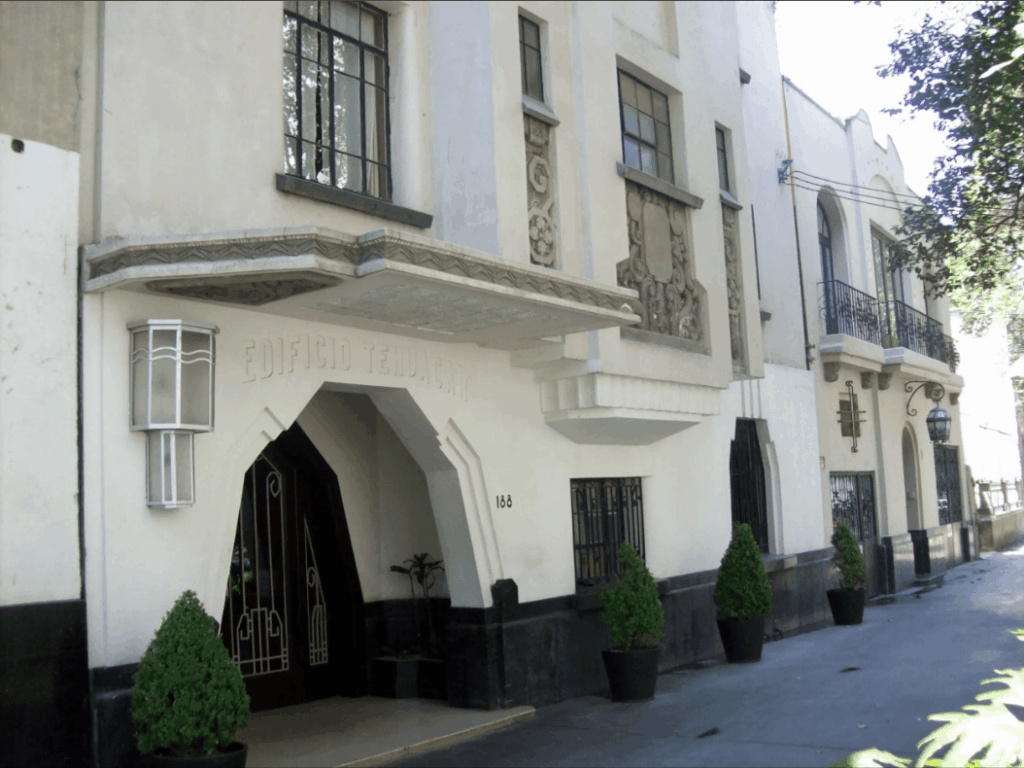
The neighborhood centers on two beautiful parks, Parque México and Parque España, ringed by Art Deco apartment buildings and wide, tree-lined streets. Amsterdam Avenue is an oval boulevard that follows the route of a former horse-racing track, and it’s one of the best streets in the city for a morning walk.
Is it safe?
Condesa is one of the safest neighborhoods in Mexico City for tourists. Petty theft can happen in crowded spaces, so keep your phone off the table at outdoor restaurants after dark.
Best for
First-time visitors, couples, remote workers, and anyone who wants to walk everywhere without worrying too much.
Top things to do & see in Condesa
- Walk Amsterdam Avenue and grab breakfast at one of its sidewalk cafés
- Spend an afternoon in Parque México watching locals jog, read, and walk their dogs
- Have dinner at Azul Condesa or Ojo de Agua
- Walk to Roma Norte in 15 minutes for dinner or drinks
For a full list, check out our Things to Do in Condesa article.
Where to stay in Condesa
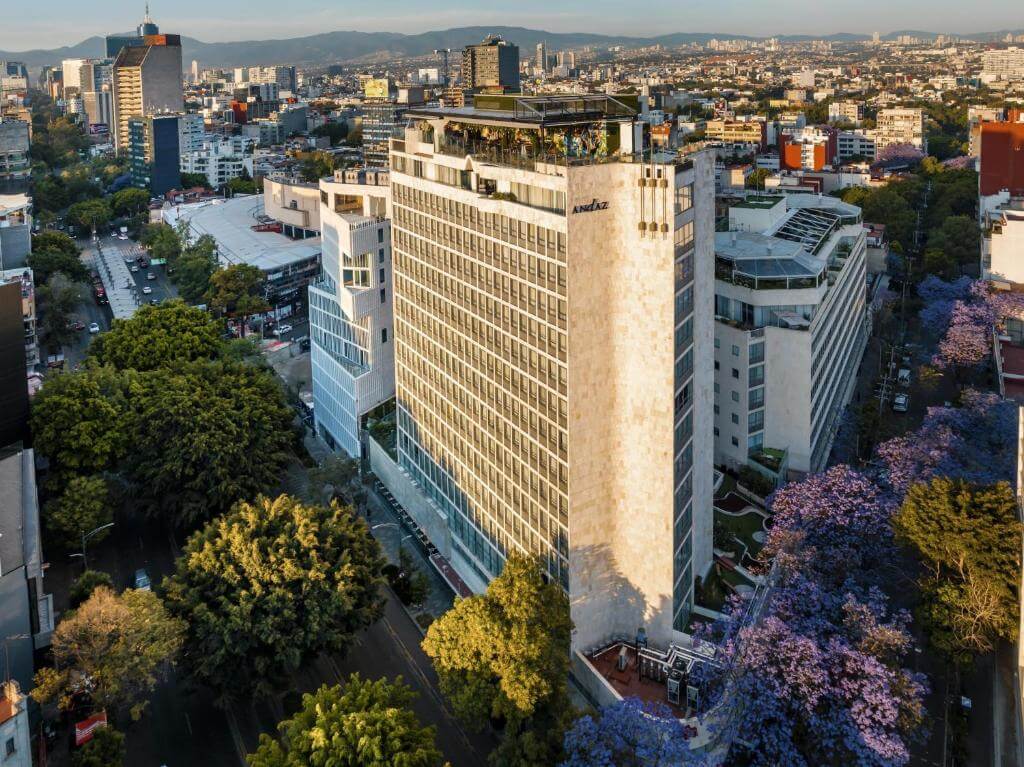
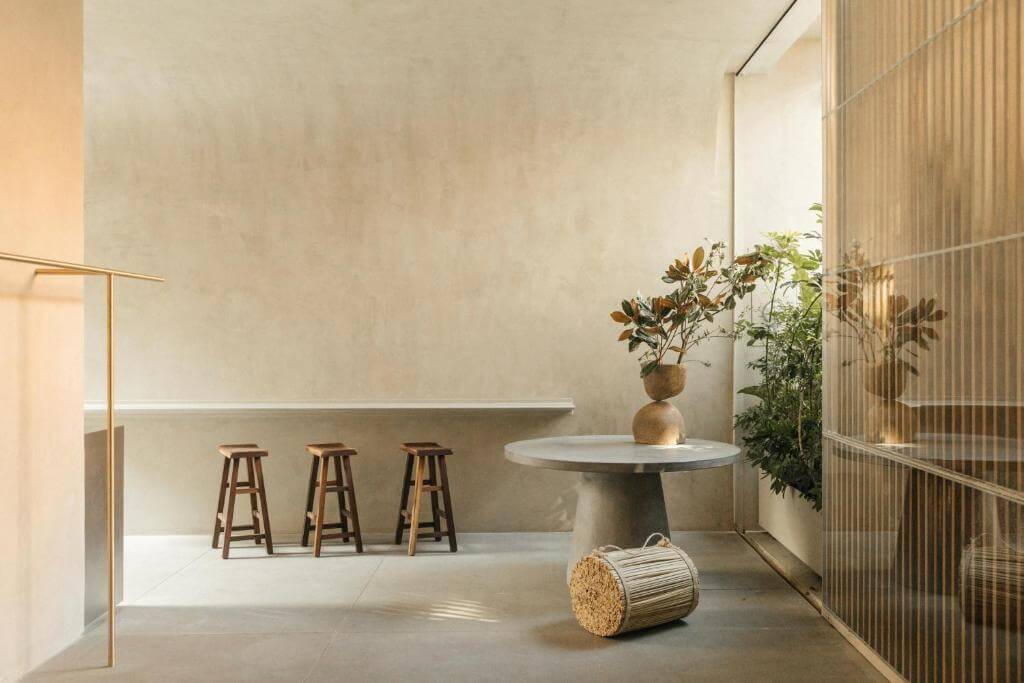
See our where to stay in Mexico City guide for the best hotels and where to book.
For the full picture, check out our Condesa neighborhood guide.
Roma Norte
Roma Norte is Condesa’s slightly grittier, more interesting neighbor. It has the same walkability but a rawer energy, with more independent restaurants, mezcal bars, and galleries tucked into renovated mansions.
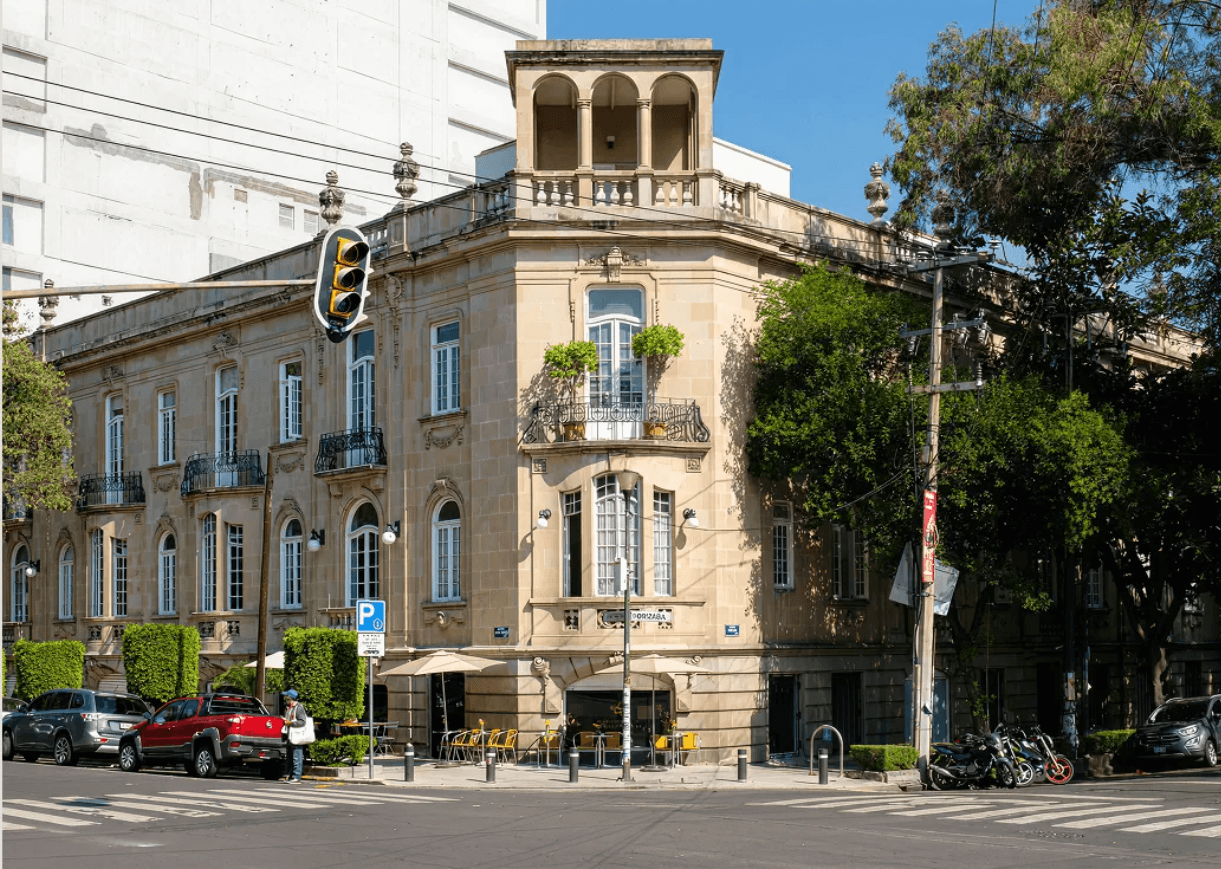
Álvaro Obregón Boulevard is the main strip, lined with restaurants and buzzing at all hours. Mercado Medellín, a few blocks south, is one of the best traditional markets in the city.
Is it safe?
Roma Norte is safe during the day and through most of the evening. Stick to well-lit streets at night and take Uber rather than walking long distances after midnight.
Best for
Foodies, creatives, solo travelers, digital nomads, and repeat visitors who want to get deeper into local life.
Top things to do & see in Roma Norte
- Explore the galleries and street art along Calle Álvaro Obregón
- Visit Mercado Medellín for fresh produce, local cheeses, and a cheap lunch
- Spend an afternoon at the cantinas around Medellín and Sonora streets
- Visit the Casa Lamm cultural center
For a full list, check out our Things to Do in Roma Norte article.
Where to stay in Roma Norte
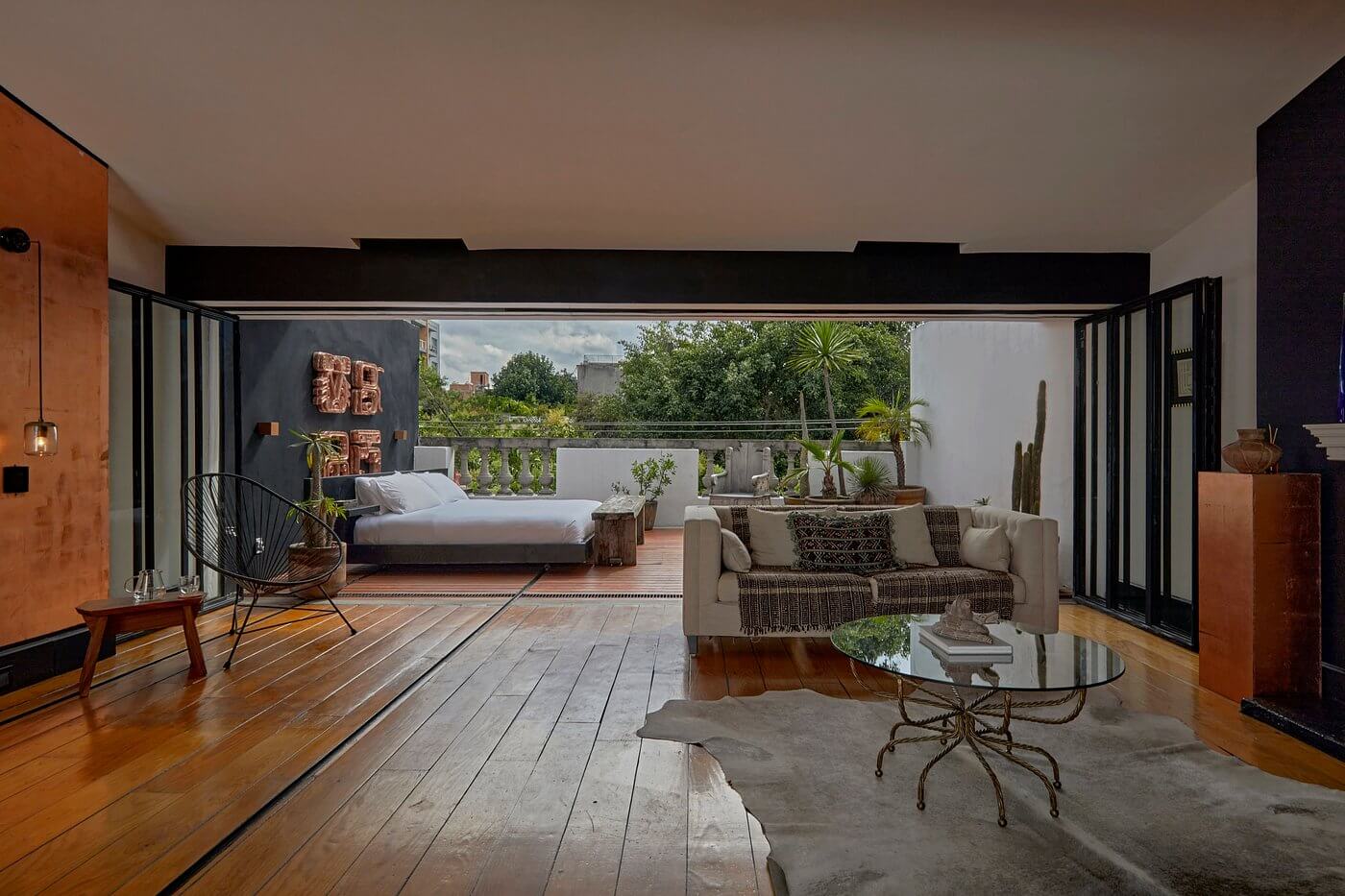
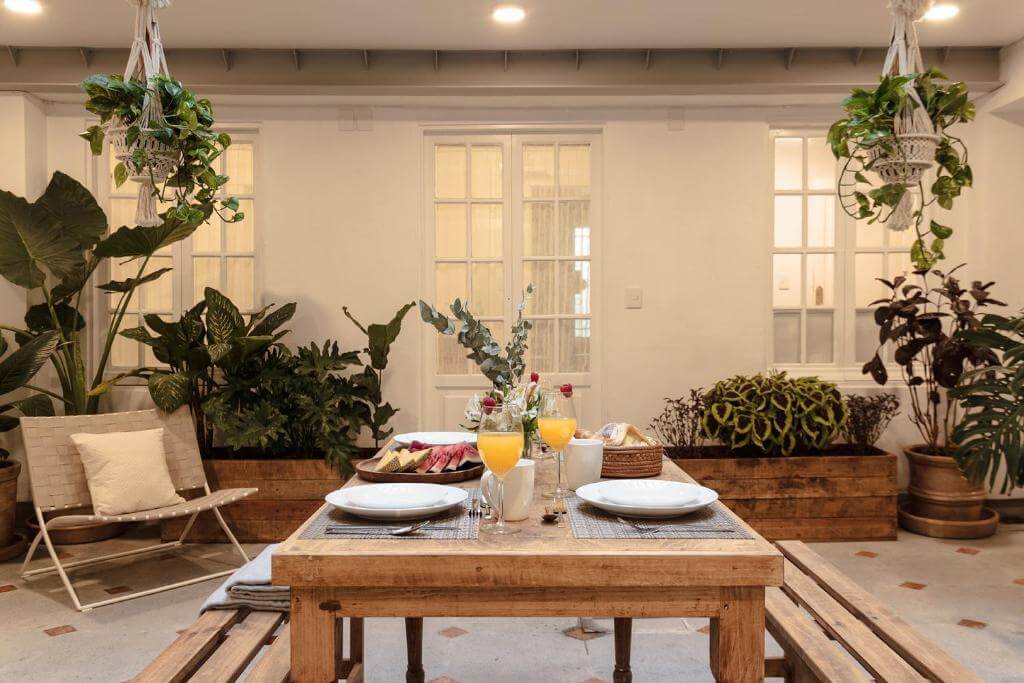
See our where to stay in Roma Norte guide for the best hotels and where to book. For the full picture, check out our Roma Norte neighborhood guide.
Polanco
Polanco is where Mexico City’s old money lives and its new money spends. The streets are clean, the restaurants are pricey, and the hotels are world-class.
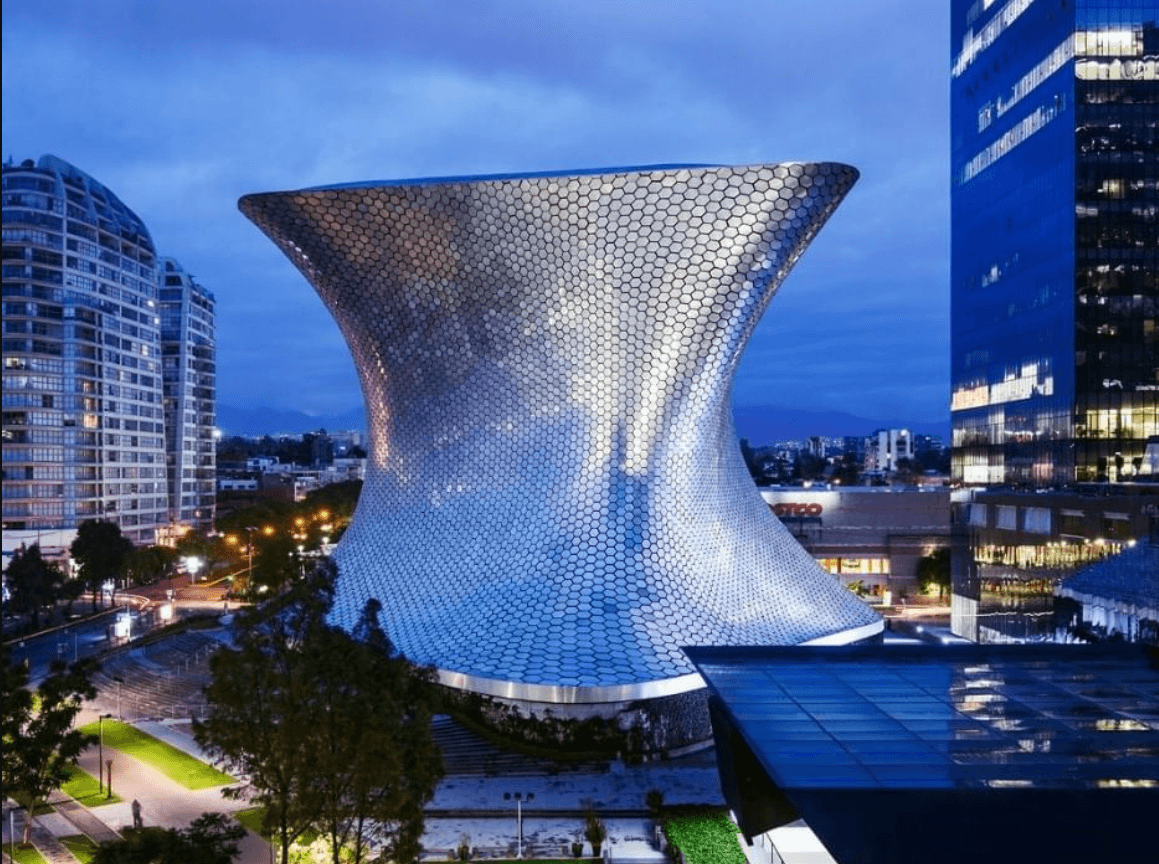
Presidente Masaryk is the main shopping street, a tree-lined boulevard of luxury boutiques that people compare to the Champs-Élysées. Two of the city’s best museums, Museo Soumaya and Museo Jumex, are within easy walking distance of each other here.
Is it safe?
Polanco is one of the safest areas in the city, well-policed and well-lit. The main risk, if anything, is getting overcharged at tourist-facing spots.
Best for
Business travelers, luxury seekers, and anyone who wants to be close to Chapultepec Park and the major museums.
Top things to do & see in Polanco
- Visit Museo Jumex and Museo Soumaya (both great, both free or very cheap)
- Explore Bosque de Chapultepec, one of the largest urban parks in the Western Hemisphere
- Have dinner at Pujol, Quintonil, or Dulce Patria
- Stroll down Presidente Masaryk, even if you’re not buying
For a full list, check out our Things to Do in Polanco article.
Where to stay in Polanco
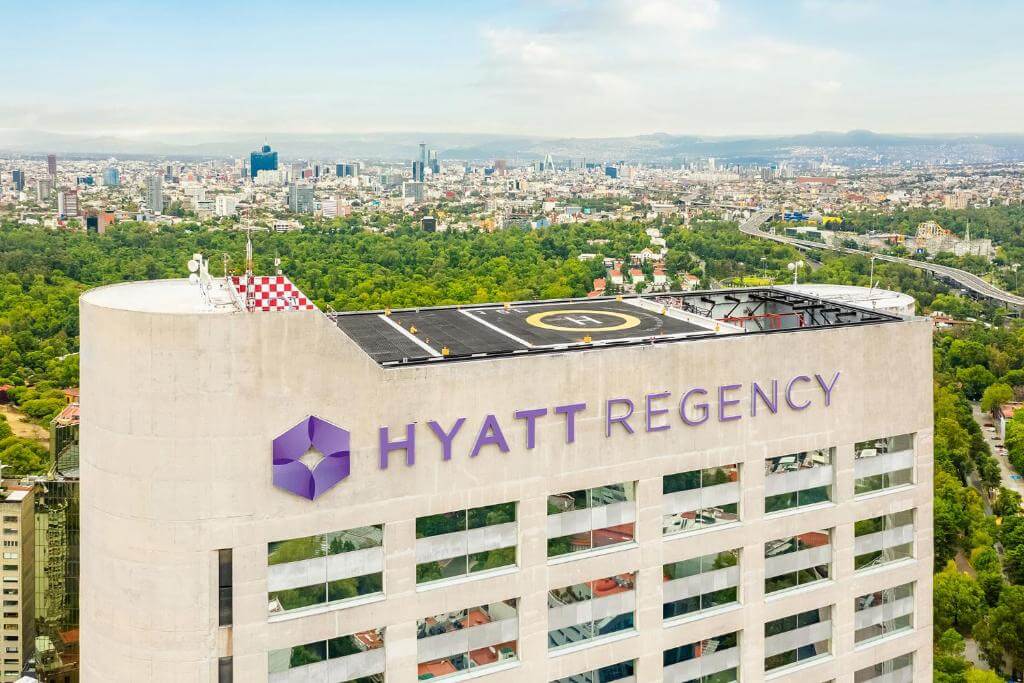
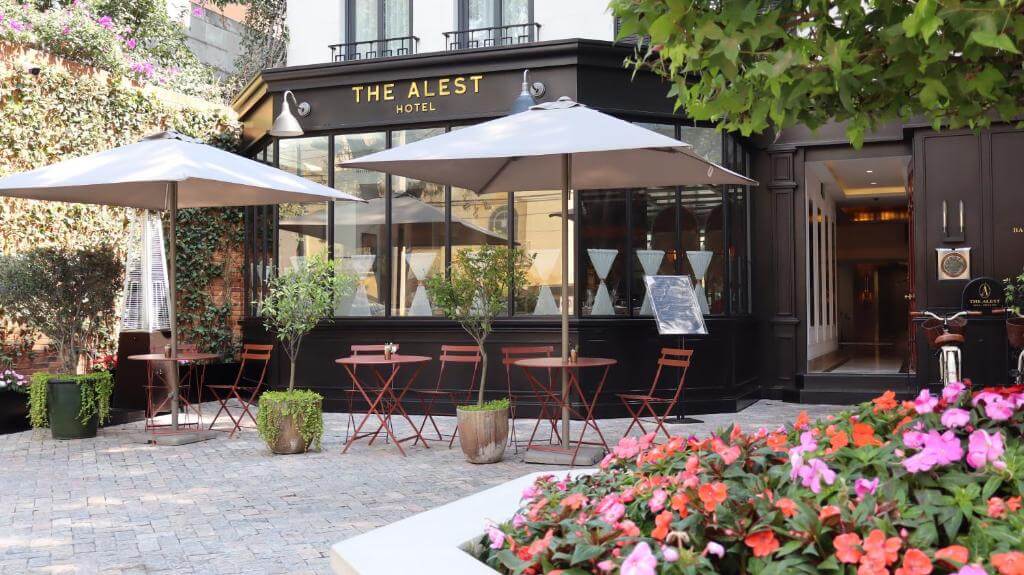
See our where to stay in Mexico City guide for the best hotels and where to book.
For the full picture, check out our Polanco neighborhood guide.
Centro Histórico
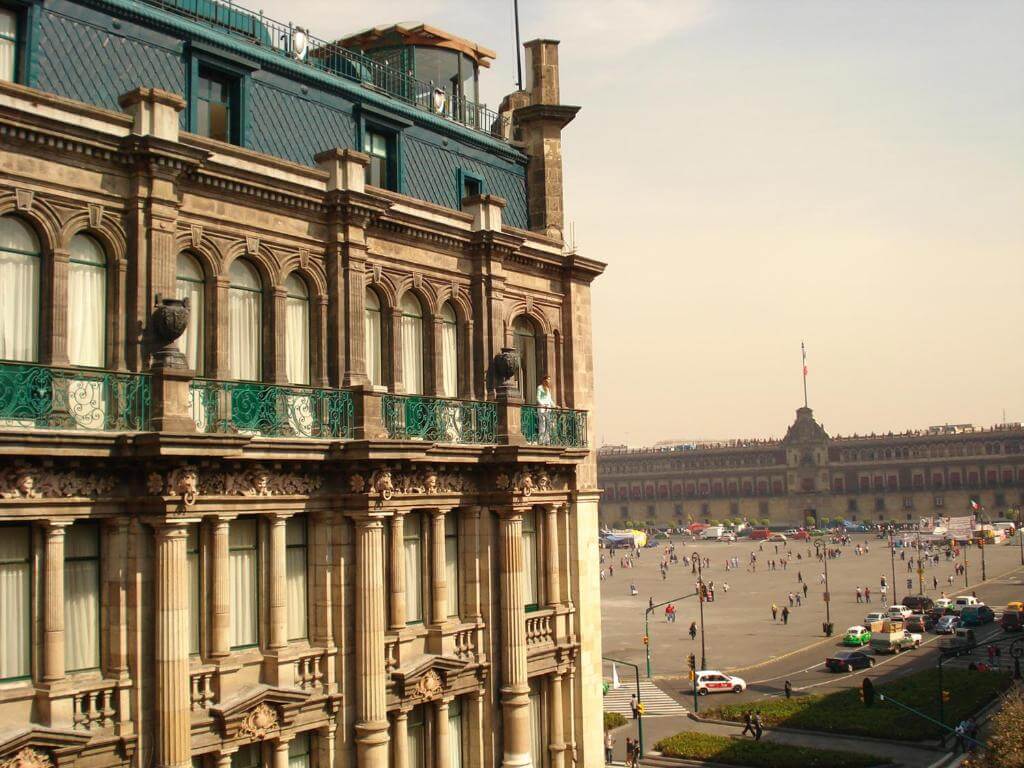
Centro Histórico is where Mexico City began, and it’s still one of the most visually stunning areas in the Americas. The Zócalo is the city’s massive main square, flanked by the Metropolitan Cathedral, the National Palace (home to Diego Rivera’s murals), and the ruins of Templo Mayor, the spiritual heart of the Aztec Empire.
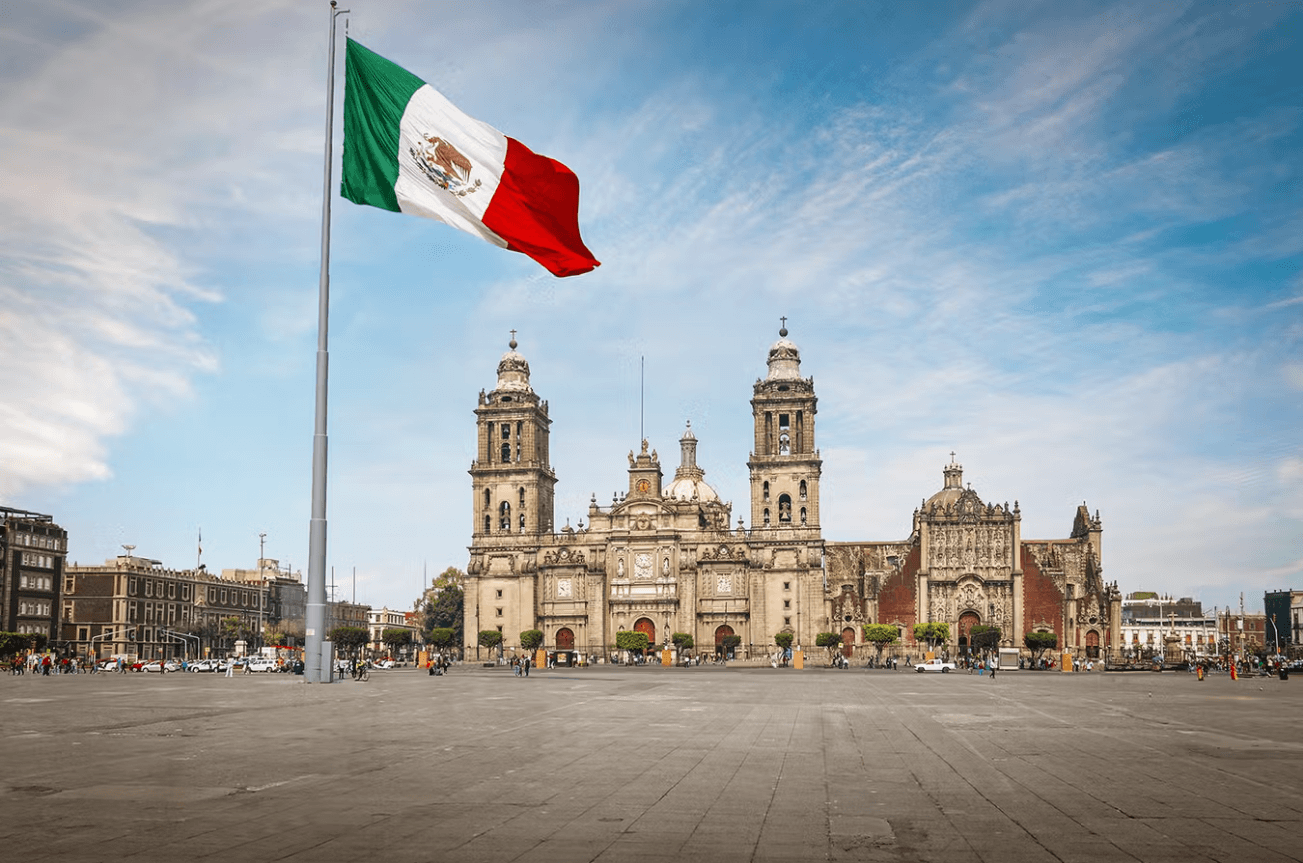
It’s crowded, sometimes chaotic, and not the easiest place to use as a base. As a daytime destination, though, it’s unmissable.
Is it safe?
Centro Histórico is safe during the day in the main tourist areas. Avoid wandering east of the market area after dark. Be alert for pickpockets around crowded spaces like the Zócalo and Templo Mayor.
Best for
History lovers, budget travelers, and anyone visiting the city’s major cultural landmarks.
Top things to do & see in Centro Histórico
- Stand in the Zócalo and take in the scale of the cathedral and the National Palace
- Visit the Templo Mayor archaeological site
- See the Diego Rivera murals inside the National Palace (free entry)
- Eat at the market stalls in Mercado San Juan
For a full list, check out our Things to Do in Downtown Mexico City article.
Where to stay in Centro Histórico
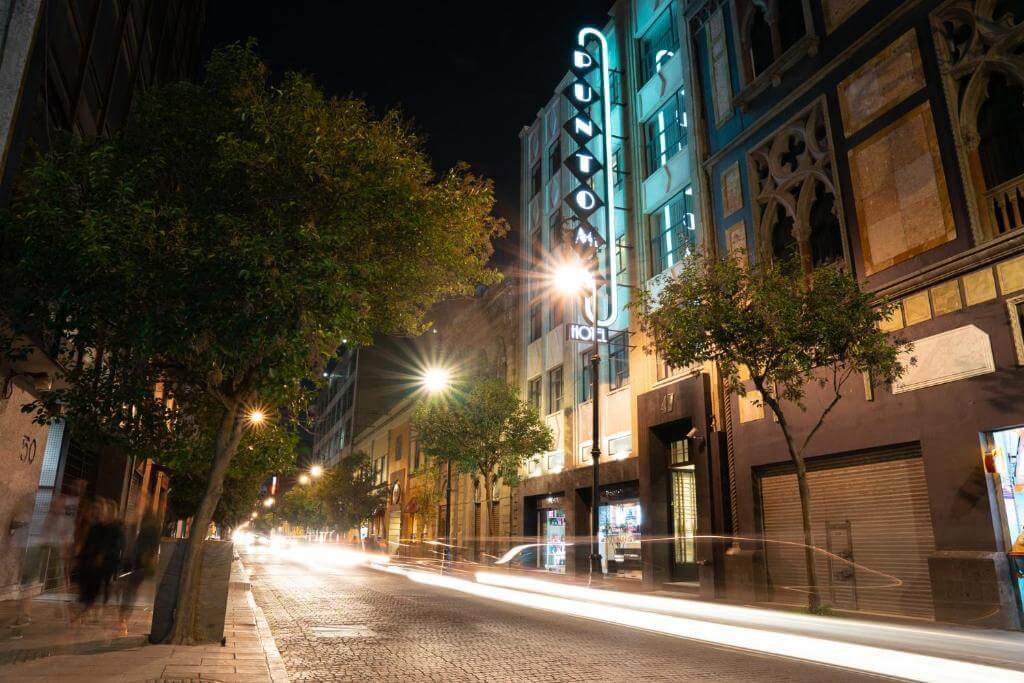
See our where to stay in Mexico City guide for the best hotels and where to book.
For the full picture, check out our Downtown Mexico City guide.
Juárez & Zona Rosa
Juárez and Zona Rosa are neighboring areas that blend into each other after dark. Zona Rosa is historically the LGBTQ+ hub of Mexico City and one of the most welcoming neighborhoods in Latin America for queer travelers.
The area has more of a hustle to it than Roma or Condesa. It’s busier, louder, and more chaotic, but that energy is a big part of the appeal.
Is it safe?
Be more careful in Zona Rosa late at night, especially around the busy bar areas. Pickpocketing is more common here than in Condesa. Take Uber home rather than walking.
Best for
Night owls, LGBTQ+ travelers, budget travelers, and anyone who wants to be close to the Reforma corridor.
Top things to do & see in Juárez / Zona Rosa
- Bar-hop along Génova and Amberes streets in Zona Rosa
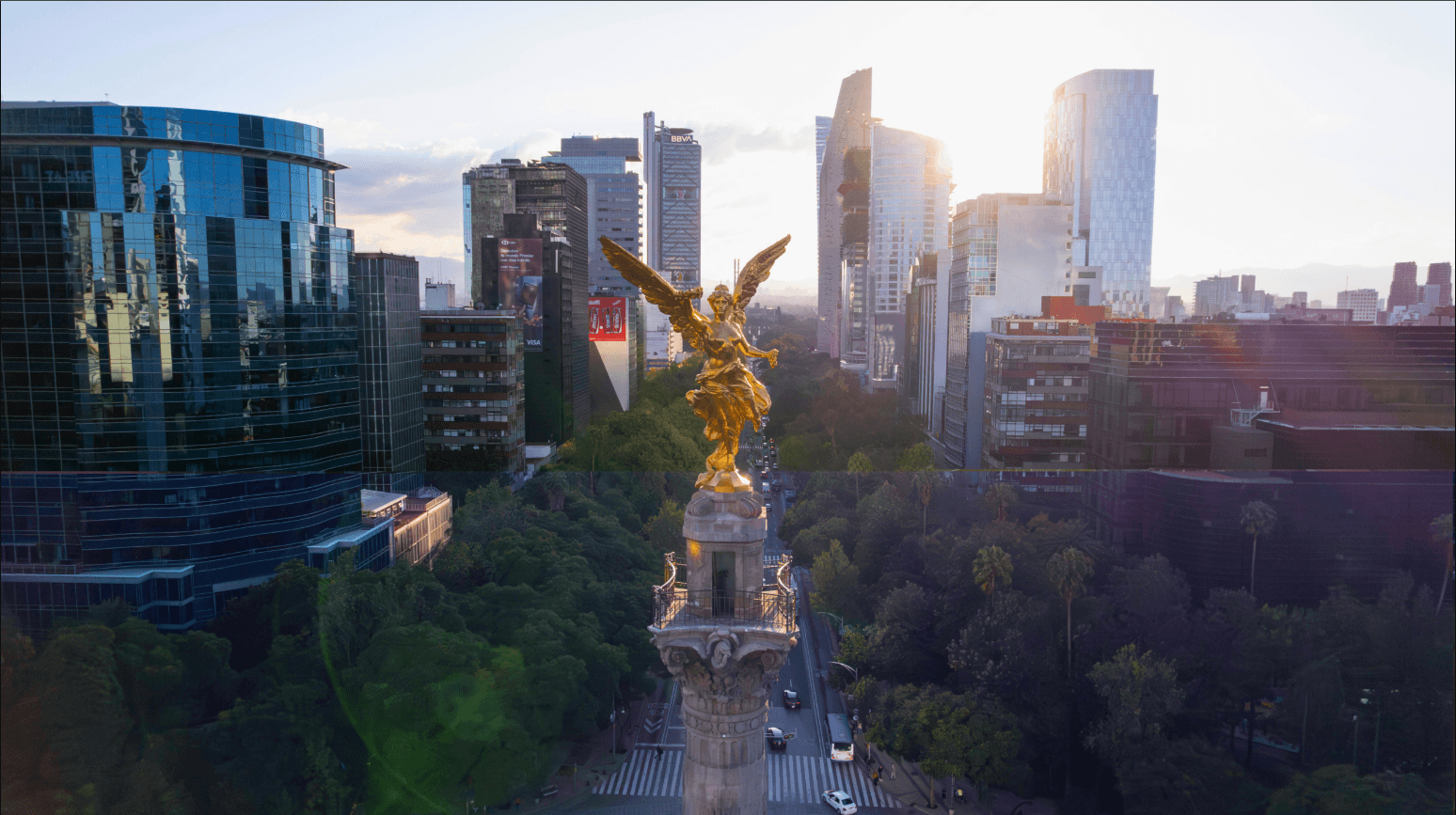
- Visit the Ángel de la Independencia monument on Paseo de la Reforma
- Eat Korean food in Zona Rosa, which has one of the best Korean dining scenes in Latin America
- Browse Mercado Insurgentes for leather goods and souvenirs
See our where to stay in Mexico City guide for the best hotels and where to book.
For the full picture, check out our Juarez neighborhood guide.
Best Mexico City neighborhoods to explore
Coyoacan
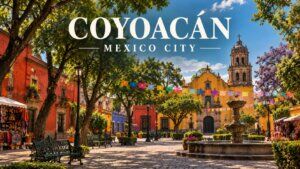
Coyoacan is the most charming neighborhood in Mexico City, with cobblestone streets, colonial-era buildings painted in deep reds and yellows, and a central square that fills with street vendors, performers, and locals every weekend.
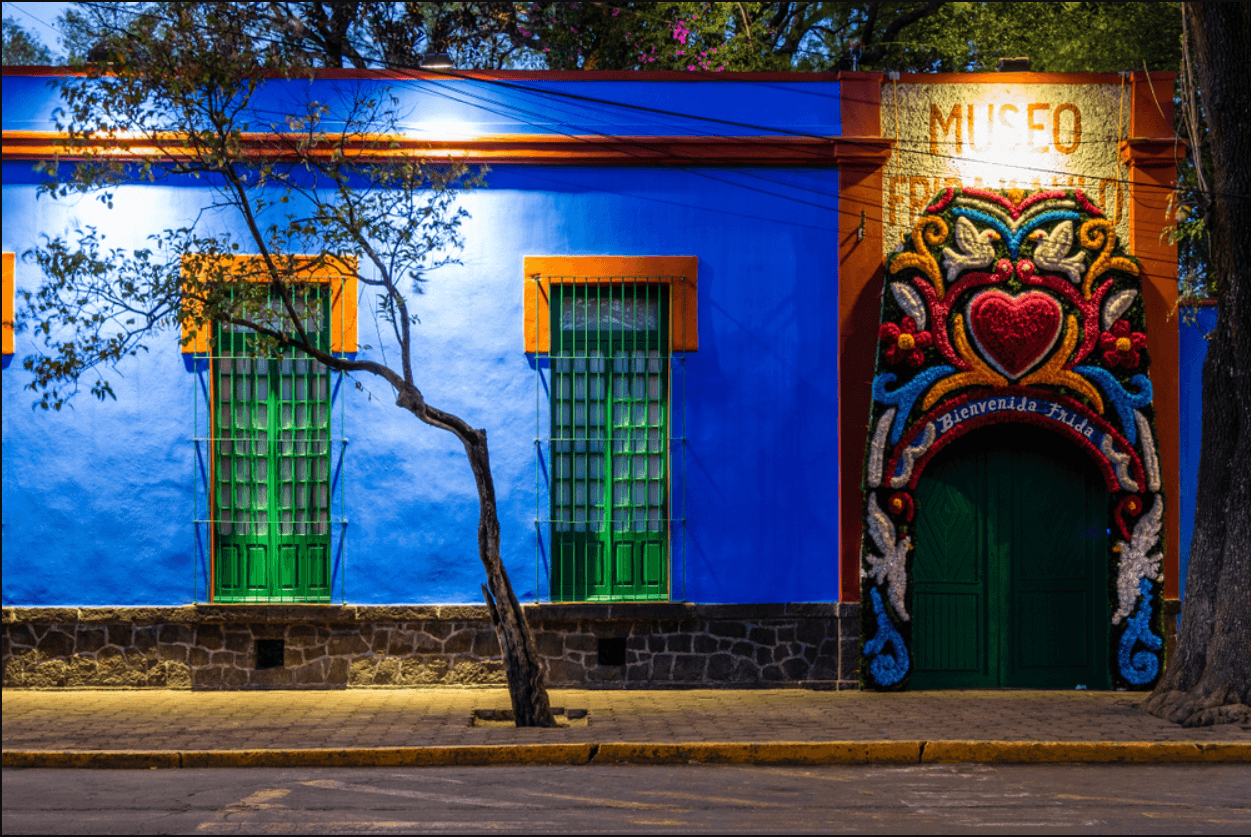
The main draw is the Museo Frida Kahlo (Casa Azul), but the neighborhood itself is worth an entire afternoon whether you visit the museum or not.
Top things to do in Coyoacan
- Visit Casa Azul (Frida Kahlo’s house and studio)
- Walk to Jardín Centenario plaza and grab churros from the street stands
- Browse the artisan crafts market around the main square
- Visit the León Trotsky House, where Trotsky lived and was assassinated in 1940
How to get there
This is best as a day trip since Coyoacan is fairly far from the main tourist corridor and doesn’t have many places to stay. Base yourself in Roma or Condesa and head here for a half-day. The Metro (Line 3, Viveros / Derechos Humanos station) is the easiest option at roughly $0.25 and about 30–35 minutes. Uber takes 25–40 minutes and costs $5–8.
Xochimilco
Xochimilco is unlike anything else in the city. It’s a network of ancient canals, built by the Aztecs and still running today. On weekends, families rent trajineras, which are brightly painted wooden boats, and spend the afternoon floating through the canals with food, drinks, and live music.
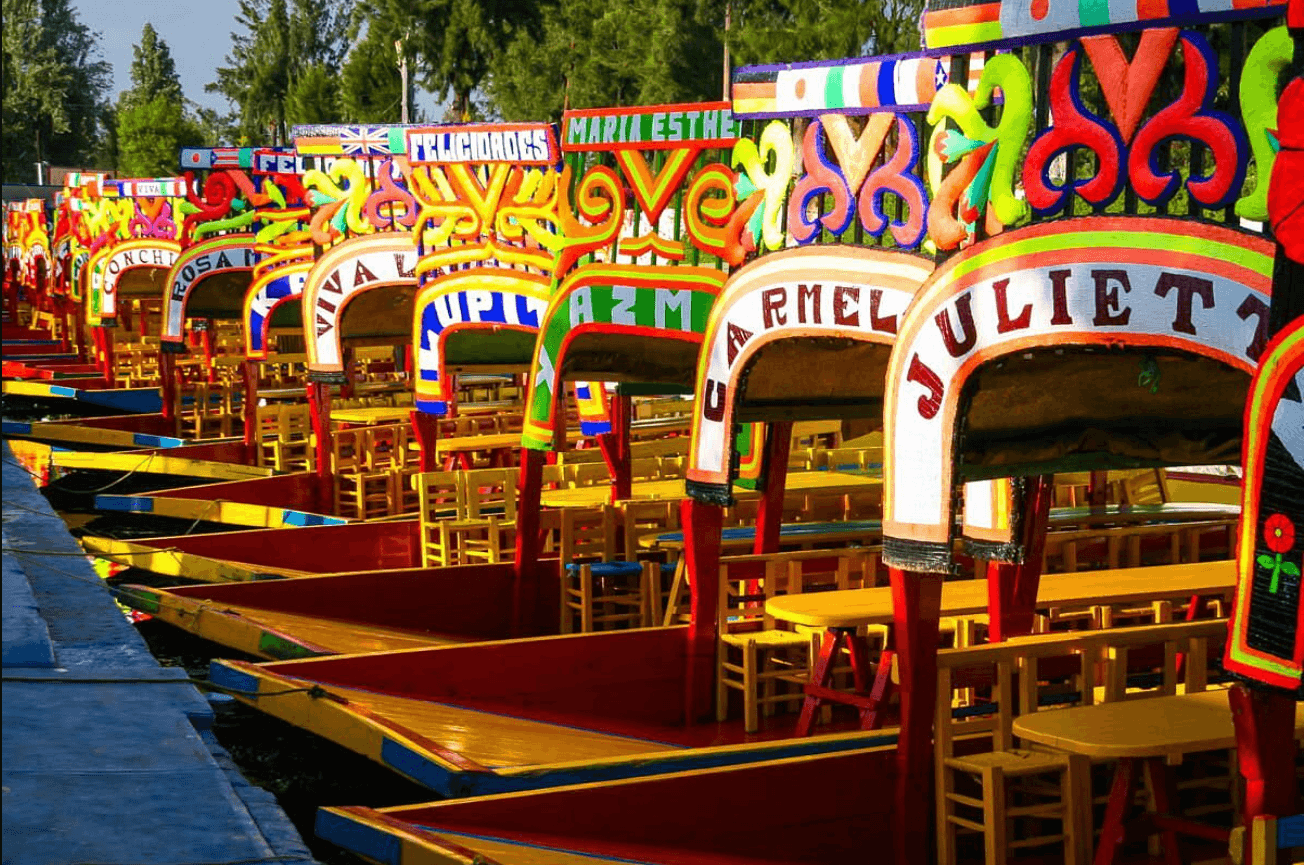
A part of a UNESCO World Heritage Site, Xochimilco is one of the last surviving piece of the lake system that once surrounded the Aztec capital of Tenochtitlán. The chinampas are still farmed using pre-Columbian methods with modern tools.
Top things to do in Xochimilco
- Rent a trajinera and spend the afternoon on the canals
- Buy food, drinks, and flowers from the vendors on the water
- Visit the Mercado Xochimilco before or after the canals
How to get there
Take the Metro to Tasqueña (Line 2), then the Tren Ligero to the Xochimilco stop and walk 10 minutes to the embarcadero. Uber costs $10–15 and takes 45–60 minutes from Roma. Two to three hours on the water is plenty and allow a full half-day including transit.

The Tren Ligero is currently disrupted by World Cup construction, check service status before heading here.
San Ángel
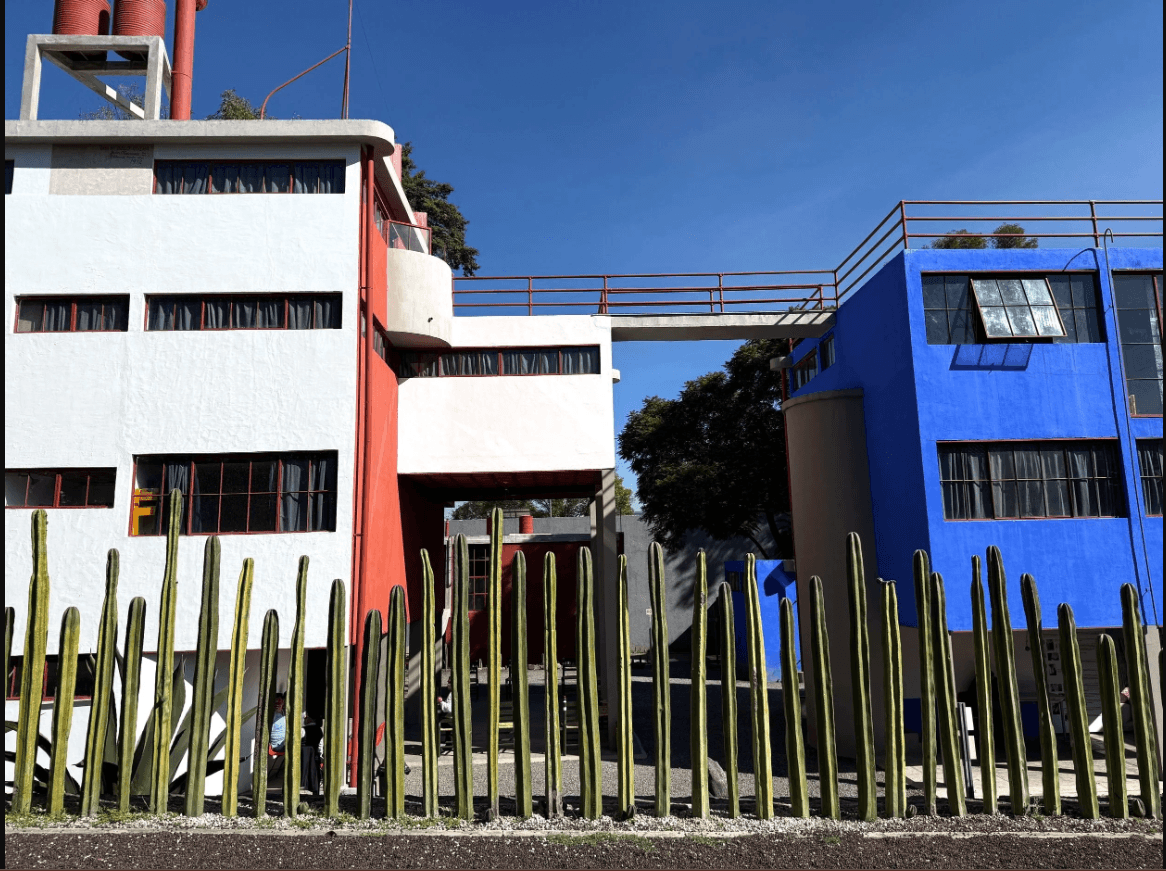
San Ángel is a quieter, more residential version of Coyoacán, another colonial neighborhood in the south of the city with cobblestone streets, old churches, and great restaurants. It pairs perfectly with Coyoacán on the same day, since they’re just 10 minutes apart by Uber.
Top things to do in San Ángel
- Visit the Diego Rivera Studio Museum
- Wander the quiet streets around Plaza San Jacinto
- Browse independent galleries and craft stores
Best day to visit
Go on a Saturday for the Bazar del Sábado, one of the best craft markets in the city. It runs from around 10 am to 7 pm around Plaza San Jacinto and draws a great mix of local artisans and serious collectors.
Mexico City neighborhoods to avoid
Being straight about this can save you from some bad decisions.
Tepito
Tepito is known throughout Mexico as Barrio Bravo, a working-class neighborhood with a huge informal black market and high crime rates. It's not somewhere tourists should visit on their own, as the market deals in counterfeit goods, stolen items, and worse.
La Merced
La Merced is one of Mexico City's oldest traditional markets, enormous, chaotic, and genuinely interesting during the day. But the streets around it, especially east of the market, are among the roughest in the city center. Go during the day, stay inside the market area, and leave before evening.
Doctores
Doctores has a few things worth knowing about. Arena México hosted boxing during the 1968 Olympics and still runs lucha libre. The Antique Toy Museum is one of those weird, wonderful places you wouldn't find anywhere else. And the street art and gallery scene is quietly growing. That said, this is a working-class neighborhood south of Centro with higher crime rates than the tourist areas. It's not somewhere to wander without a plan.
General rules: areas vs. specific streets, day vs. night
The most important thing to know about safety in Mexico City is that it’s incredibly localized. A street can be completely fine during the day and uncomfortable at night. One block can feel totally safe; the next can feel very different.
The neighborhoods in the “Stay In” section are all considered safe by major travel authorities and long-term residents. Stick to these areas, use Uber at night, and you’ll almost certainly have no problems.
Travel tips & getting around Mexico City
Metro
At about $0.25 per ride (5 pesos), the Metro is the cheapest and fastest way to get around, especially during rush hour when street traffic comes to a standstill. Lines 1, 2, and 3 get very crowded at peak times, so keep your bag in front of you and your phone in your pocket.
Metrobús
This Bus Rapid Transit system runs on dedicated lanes and costs around $0.35 per ride. Line 1 on Insurgentes is the most useful for tourists, running from the north of the city south through Roma, Condesa, and Narvarte. You'll need a dedicated card, available at Metro stations for about 15 pesos.
Uber vs. Taxis
Use Uber or DiDi every time. Street taxis are not safe for tourists, as the risk of express kidnapping from unmarked cabs is real and well-documented. Most Uber trips within the tourist corridor cost just $3–6, and the app keeps a record of your journey. If Uber isn't available, call a registered sitio taxi rather than flagging one down.
Walking
Roma Norte and Condesa are among the most walkable neighborhoods in Latin America. The walk from the center of Roma Norte to Condesa takes about 20 minutes along pleasant, well-lit streets. Most people exploring this corridor don't need any other transport at all.
Practical tips
| Best time to visit | March through May is ideal for most: warm temperatures, dry weather, and fewer crowds. November through February is equally good for visiting: the heart of the dry season. Try to avoid June through September if you can, as heavy afternoon thunderstorms during rainy season regularly flood streets and mess up plans. |
| How long to spend | 4–5 days gives you enough time to explore Roma, Condesa, Centro, Coyoacán, and Polanco without rushing. A week lets you add Xochimilco, San Ángel, and more restaurants. Two days is too short to get a real feel for the city. |
| Currency | Mexico City uses the Mexican Peso (MXN), with an exchange rate of around 17–18 pesos to the US dollar. Use ATMs inside OXXO convenience stores or banks for cash, and avoid exchanging money at the airport where rates are bad. |
| Safety on the go | Always use a rideshare app rather than hailing street taxis. Keep your phone in your pocket at outdoor restaurants at night, stay alert in crowded spots like the Zócalo and the Metro, avoid walking while looking at your phone in unfamiliar areas, and carry small bills to avoid showing large amounts of cash. |
Useful Spanish phrases
You can get by in tourist areas without Spanish, but a few phrases go a long way:
| Spanish | English |
|---|---|
| ¿Cuánto cuesta? | How much does it cost? |
| Una mesa para dos, por favor | A table for two, please |
| ¿Dónde está el metro más cercano? | Where is the nearest Metro? |
| La cuenta, por favor | The check, please |
| ¿Tiene WiFi? | Do you have WiFi? |
| Está muy caro | That’s too expensive (useful at markets) |