

A quick overview: things to do in Downtown Mexico City
Centro Histórico is the largest and most intact colonial city center in the Americas. Nearly 1,400 historic buildings in a UNESCO World Heritage-designated area that also happens to be a living, breathing, working city. Here is what to expect before you arrive.
Downtown Mexico City overview
- Best for: History obsessives, architecture enthusiasts, mural-hunters, street food lovers, anyone doing Mexico City for the first time
- How long: One full day covers the major landmarks. Two days lets you go deeper into museums and eat properly. Three days for anyone who wants to explore La Merced, Tepito, and the outer edges.
- Safety: Centro is busy, active, and generally safe during the day. The area east of the Zócalo toward Jesús María and La Merced requires more awareness. Stick to main streets after dark, use Uber exclusively, and keep cameras and phones in a bag.
What this guide covers
- Landmarks and plazas: The Zócalo is one of the largest public squares on earth. Templo Mayor is the beating ceremonial heart of the Aztec empire, excavated below the modern city floor. You can stand at both within a five-minute walk.
- History, art and culture: Palacio de Bellas Artes has 17 murals by seven artists including Rivera, Siqueiros, and Orozco. The SEP building has 235 Rivera panels and reopened in 2024 as the Museo Vivo del Muralismo. Free entry to both.
- Architecture and hidden gems: A colonial postal palace with a Moorish staircase. A 16th-century convent covered in Talavera tiles. A hotel dining room with a Tiffany-style stained glass ceiling. All within walking distance of each other.
- Food: The original Churrería El Moro has been open 24 hours since 1935. Basket tacos on Madero are MX$10 each. And there are two Michelin-starred restaurants in the historic core if you need a break from street food.
- Bars: Bar La Ópera has a bullet hole in the ceiling from Pancho Villa and has been serving since 1876. Bósforo has no sign outside and one of the best mezcal lists in the city.
For the citywide picture, see our full things to do in Mexico City guide.
Map of Downtown Mexico City
Centro Histórico sits at the eastern center of the city, roughly 5-7 km from AICM airport. It is not a neighborhood you walk to from Roma Norte or Condesa at night, but it is a 10-minute Uber away. The tourist core is dense and compact: the Zócalo, Madero, Bellas Artes, and Alameda Central are all within a 10-minute walk of each other.
Here’s where Centro Histórico sits within Mexico City (click to open the full map):
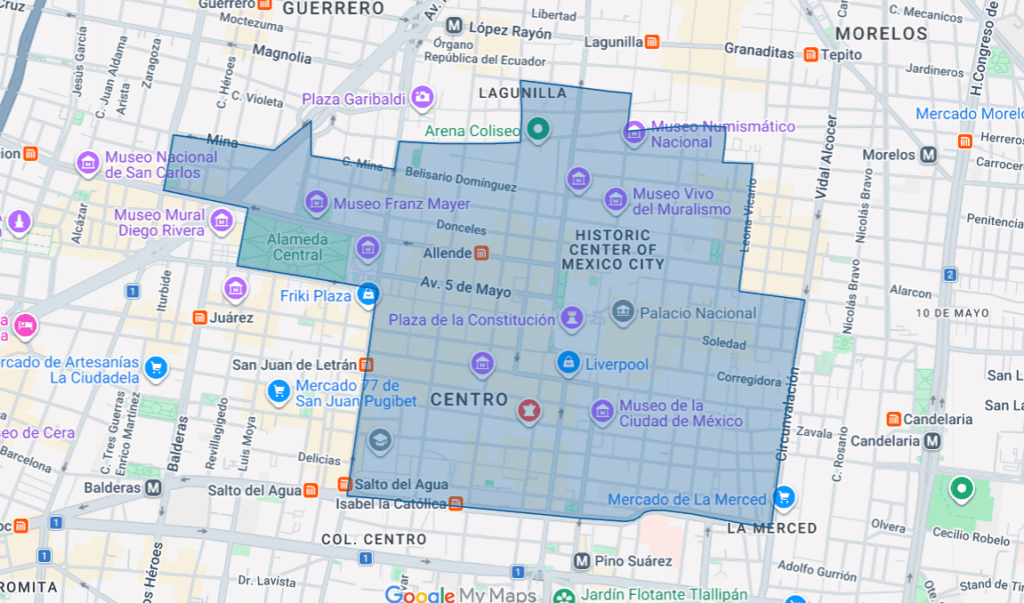
Getting there: The most central metro stations are Zócalo (Line 2) and Bellas Artes (Lines 2 and 8), both walking distance from the main landmarks.
For a more detailed breakdown of transport options, metro stops, and getting around once you’re there, see our Downtown Mexico City guide.
Iconic landmarks and plazas
Centro Histórico does not ease you in. The first thing you see when you come up from the Zócalo metro station is nearly 47,000 square meters of public square with a 50-meter flagpole at the center and a cathedral that took 240 years to complete on the north side. The scale is the first thing that hits. Everything else comes after.
📍 The Zócalo
The Zócalo is one of the largest public squares on earth and the absolute center of Mexican civic life. Aztec ceremonial heart, colonial plaza, and modern protest site all layered on top of each other. Hernán Cortés ordered construction in 1521 on the ruins of the Aztec sacred precinct, with the Catedral Metropolitana and the Palacio Nacional following on either side. The flag ceremony runs daily at 8 AM and 6 PM. On Sundays the square fills with families, performers, and vendors. On protest days it fills with something else entirely.
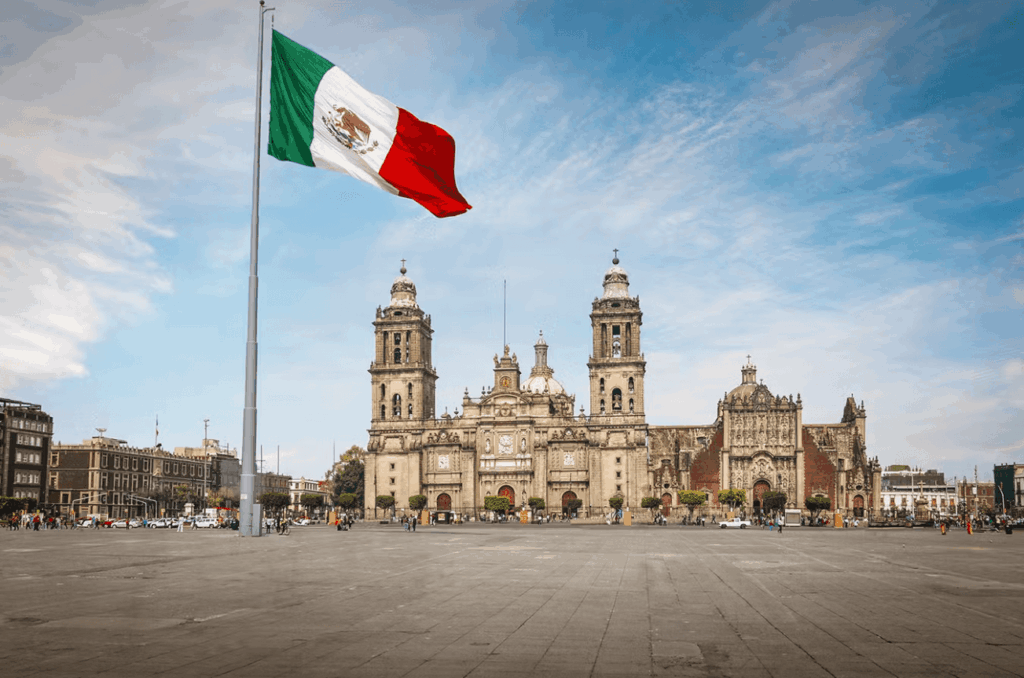
- Best for: Orientation, scale and history, flag ceremony, Sunday people-watching
- Location: Zócalo, Centro Histórico · Metro Line 2

The best view of the Zócalo is from the rooftop terrace of Gran Hotel Ciudad de México directly on the square. Ask at the lobby for rooftop access.
📍 Catedral Metropolitana
The largest cathedral in the Americas and one of the most architecturally complex buildings in the Western Hemisphere. Construction ran from 1573 to 1813, 240 years of work that layered Renaissance, Baroque, and Neoclassical styles on top of each other. The whole thing is slowly sinking into the old lakebed below, and the tilting nave floor makes that visible from the inside. Sixteen chapels, two large 18th-century organ, and bell towers at 67 meters high. The view from ground level still does not fully prepare you for the interior.
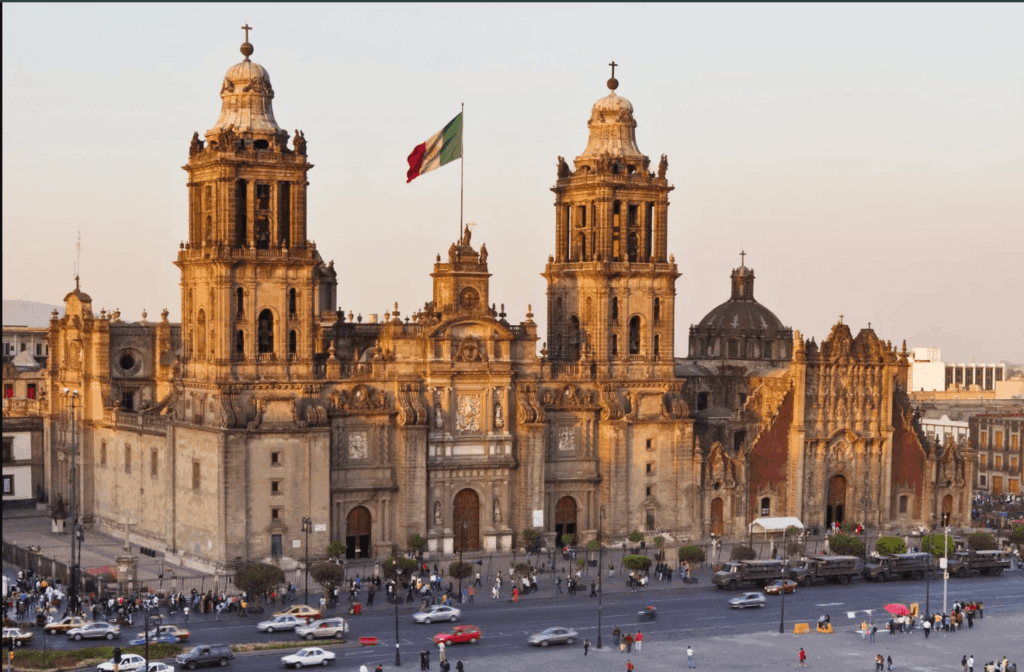
- Best for: Architecture, religious art, scale, understanding the colonial city
- Location: North side of the Zócalo, Centro Histórico
- Open hours: Mon–Sat 8am–8pm · Sun 8am–7pm
- Price: Free general entry · Rooftop tour ~MX$120 · Convert to USD
📍 Templo Mayor
In 1978, electrical workers digging below Seminario Street uncovered a 3.25-meter carved stone disc depicting the dismembered moon goddess Coyolxauhqui. It triggered one of the most significant urban excavations in the Americas. Templo Mayor was the main ceremonial temple of Tenochtitlan, sitting at the exact center of the Aztec capital. The pyramid visible today is actually seven pyramids built concentrically over 200 years of expansion. The adjacent museum holds the Coyolxauhqui disc and over 7,000 recovered artifacts.
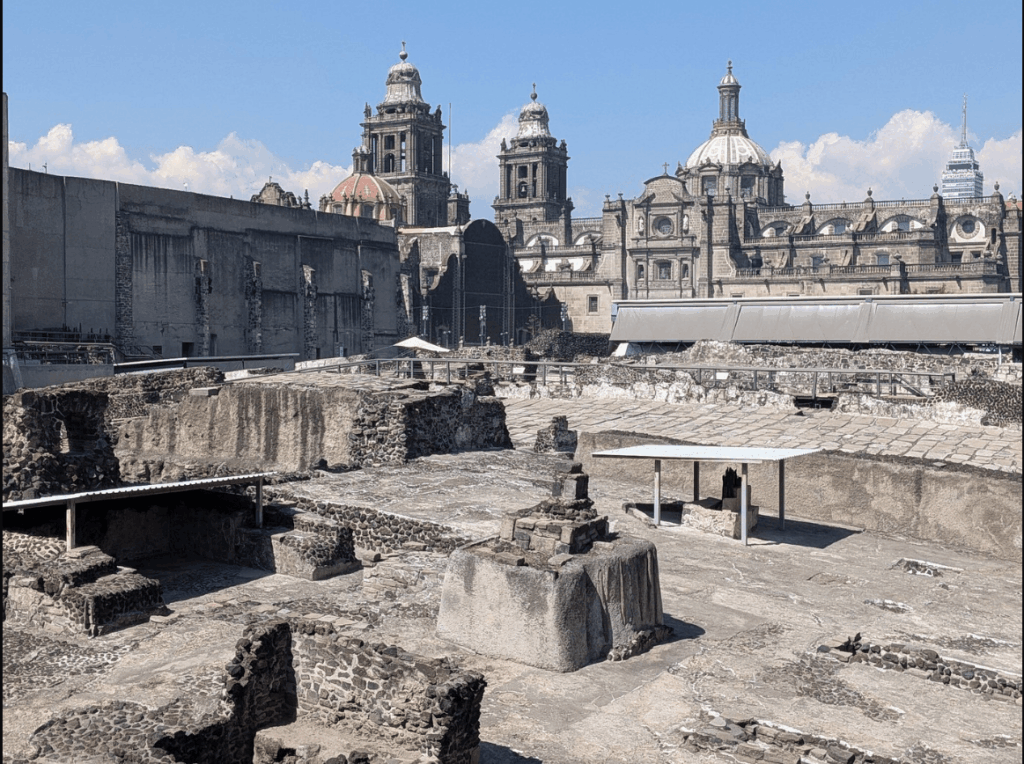
- Best for: Pre-Hispanic history, archaeology, the Coyolxauhqui disc
- Location: Seminario 8, next to the Catedral, Centro Histórico
- Open hours: Tue–Sun 9am–5pm · Closed Monday
- Price: MX$210 foreign visitors · MX$105 Mexican nationals/residents and free on Sundays · Convert to USD
Spend at least an hour in the museum after walking the ruins. The context it provides changes what you saw outside.
📍 Palacio Nacional
The seat of the Mexican federal executive and home to Diego Rivera’s most ambitious mural cycle. Built on the ruins of Moctezuma II’s palace, the current building dates from 1693. Rivera spent over two decades painting the main staircase: the central mural depicts Mexican history from pre-Hispanic civilization through the Revolution in full, while the upper floor reconstructs the Aztec capital of Tenochtitlan at its height from a bird’s-eye view. Entry is free with ID at the gate and the murals rarely feel crowded.
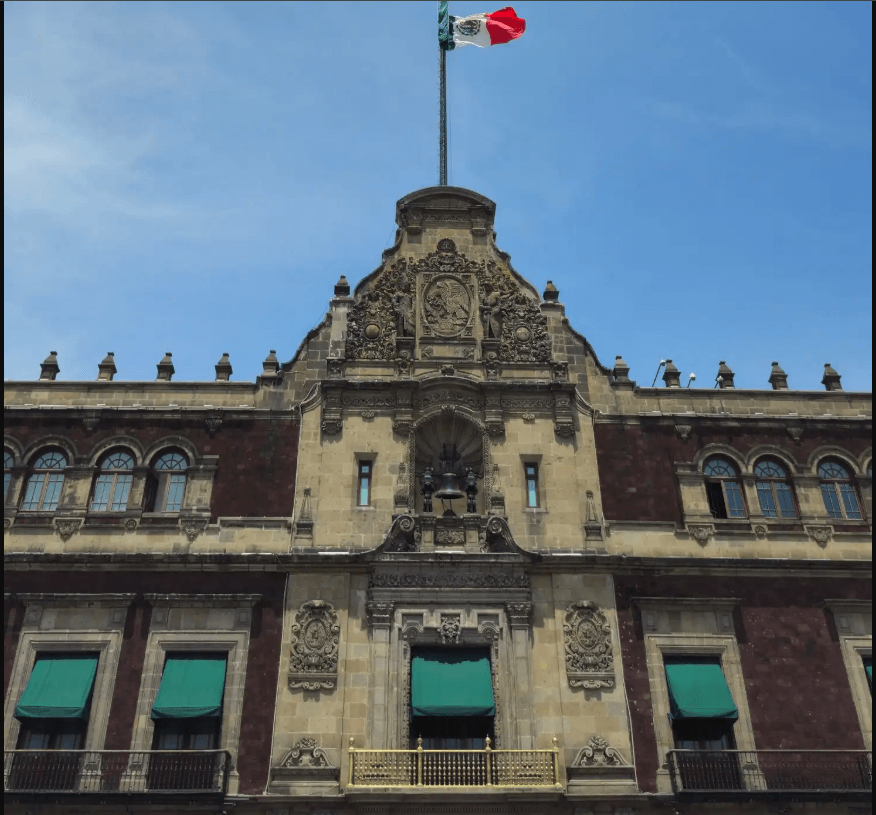
- Best for: Rivera murals, Mexican history in one room, surprisingly uncrowded mornings
- Location: East side of the Zócalo, Centro Histórico
- Open hours: Mon–Sun 9am–5pm
- Price: Free · ID required at entrance
Go to the staircase first while the light is good. The mural faces south and is best lit before noon.
📍 Torre Latinoamericana
Torre Latinoamericana was the tallest building in Mexico from 1956 to 1982, but what made it a symbol was surviving the 1985 earthquake that destroyed thousands of buildings around it. The engineering required drilling 361 piles into the unstable lakebed and floating the building on a raft foundation. The observation deck on the 44th floor sits at 182 meters and gives a clear 360-degree view over the historic core.
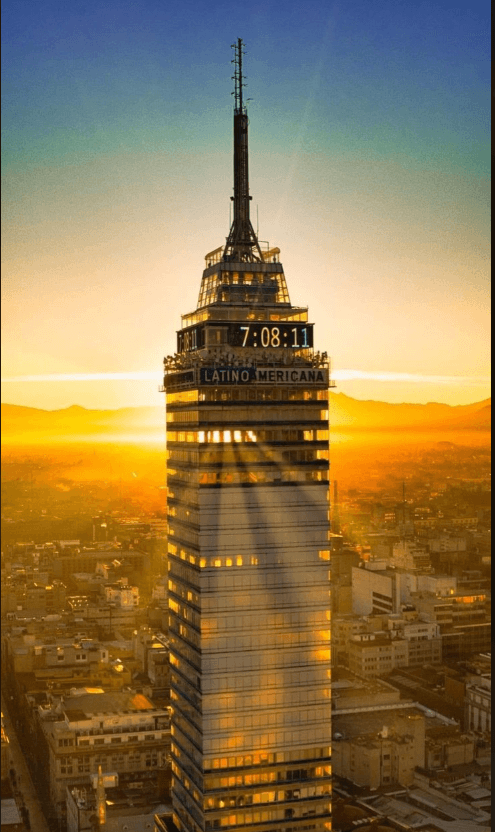
- Best for: The best views over Centro, orientation for first-time visitors, sunset
- Location: Eje Central Lázaro Cárdenas at Madero, Centro Histórico
- Open hours: Daily 9am–10pm
- Price: ~MX$180 adults · Convert to USD
- Tip: Combine with Palacio Postal directly across the street. Both take under two hours together.
📍 Monumento a la Revolución
Started as a legislative chamber for Porfirio Díaz, left unfinished when the Revolution removed him from power, and eventually converted into a monument to the Revolution itself, completed in 1938. Beneath it sit the crypts of Pancho Villa, Francisco Madero, and three other revolutionary figures. The glass-floored observation deck gives clear views over Paseo de la Reforma, and the Museo Nacional de la Revolución sits underground beneath the plaza.
- Best for: Mexican Revolution history, panoramic views, the story of what this building was supposed to be
- Location: Plaza de la República, Tabacalera (10 minutes from Centro core)
- Open hours: Tue–Sun 9am–5pm · Closed Monday
- Price: ~MX$80 museum · ~MX$150 observation deck with elevator · Convert to USD
History, art and culture
This is the densest concentration of muralism in the world. Diego Rivera, José Clemente Orozco, David Alfaro Siqueiros, Rufino Tamayo, all of them worked in buildings within walking distance of each other in Centro Histórico. Most of it is free. Some of the best murals in the city are in buildings you walk past without noticing. This section fixes that.
Palacio de Bellas Artes
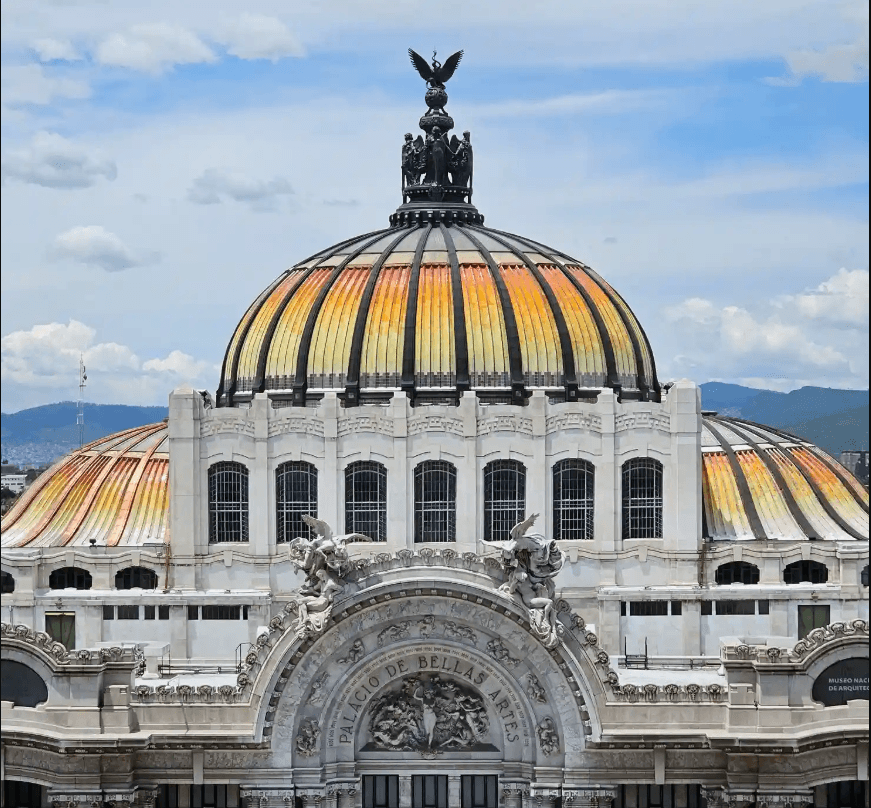 The most important cultural building in Mexico City and one of the most architecturally spectacular in the Americas. Construction began in 1904 under Porfirio Díaz on a design by Italian architect Adamo Boari. Art Nouveau exterior in Italian Carrara marble. Art Deco interior completed in the 1930s after the Revolution delayed finishing by decades. The whole building is sinking into the old lakebed at a rate of about 9 centimeters per year — it now sits 4 meters below its original street level.
Secretaría de Educación Pública (SEP)
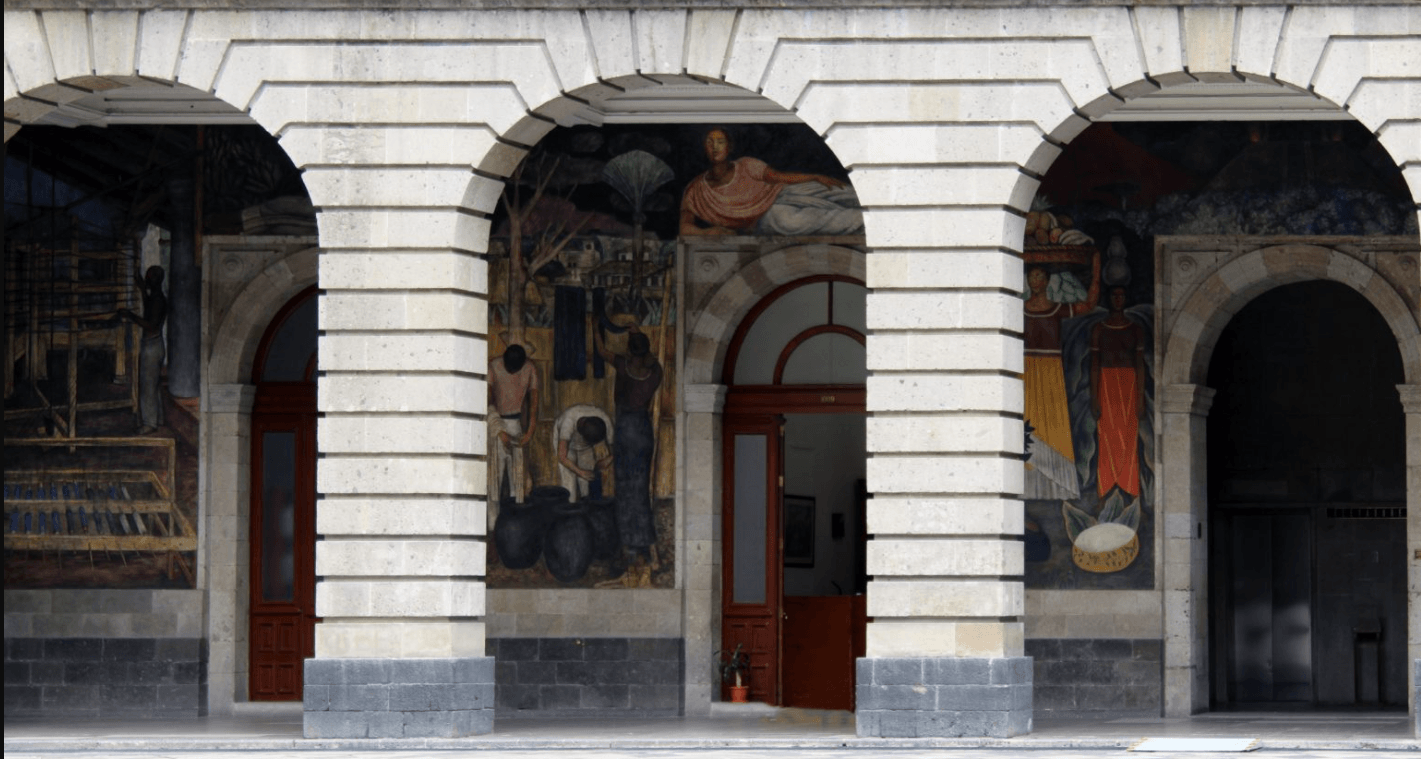 Diego Rivera painted 235 mural panels across two interior courtyards of the Education Ministry building between 1923 and 1928. This is the most concentrated Rivera mural site in the city and almost nobody visits it. The building reopened in September 2024 as the "Museo Vivo del Muralismo" — a living mural museum. Entry is free with ID.
Museo Nacional de Arte (MUNAL)
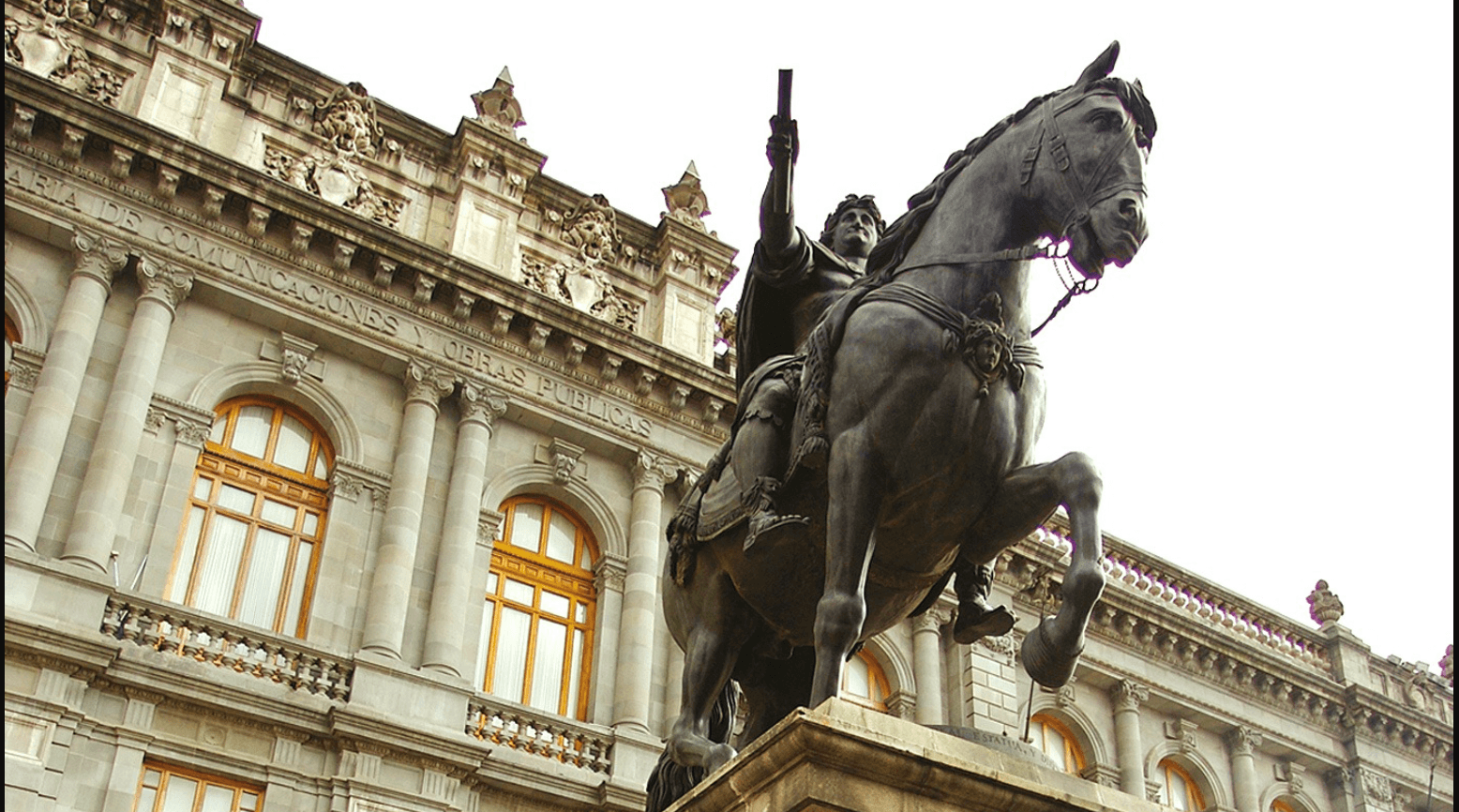 The National Museum of Art occupies a 1911 Neoclassical palace commissioned by Porfirio Díaz, modeled after the Palacio de Comunicaciones in Rome. The bronze equestrian statue of Carlos IV in front — El Caballito — was the first public sculpture in New Spain, cast in 1803 by Manuel Tolsá. Inside: the most comprehensive collection of Mexican art from the 16th century through the mid-20th. Colonial painting, Neoclassical sculpture, 19th-century landscapes, and the bridge period between academic painting and muralism.
Architecture and hidden gems
Centro Histórico has been described as an open-air architecture museum. That description is accurate and also underestimates it. The buildings here are not preserved behind glass. They are open, working, used daily. The most extraordinary architectural spaces in the neighborhood are a postal office, a hotel lobby, and a 16th-century convent covered in blue and white tiles. All three are free to walk into.
Casa de los Azulejos (House of Tiles)
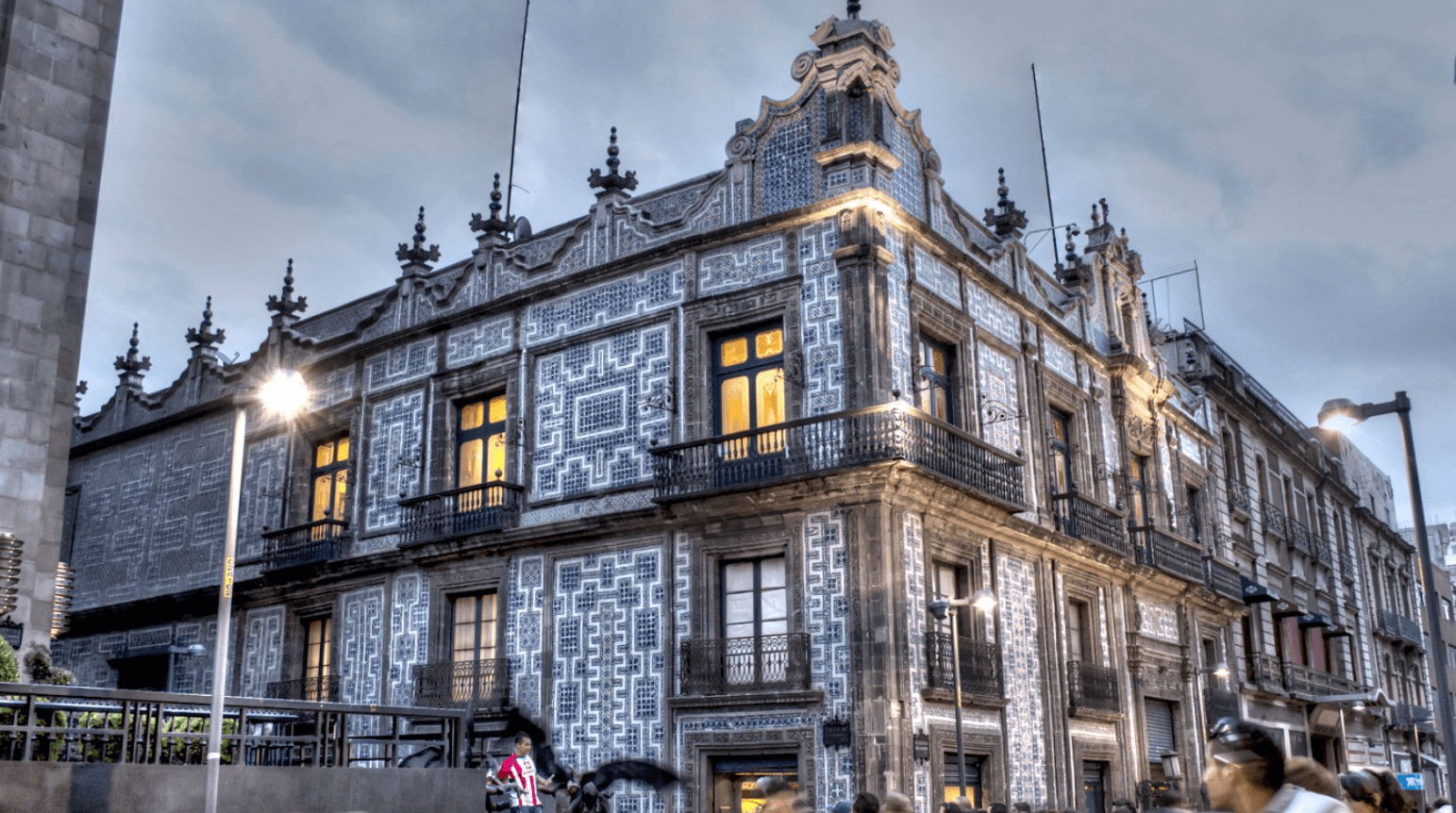 Built in the 16th century and covered in blue and white Talavera tiles sometime in the 1700s, the exact reason is debated. One story says a father covered the house in tiles to mock his son's lack of ambition after he predicted he would "never own a house of tiles." Another attributes the tiles to the Counts of Orizaba bringing the tradition from Puebla. Either way, the result is one of the most photographed facades in Mexico City. Inside is a Sanborns restaurant and café that has been running since 1919. The interior courtyard is Baroque, the staircase is original 18th-century, and an Orozco mural painted in 1925 occupies the wall above the main staircase. You can have breakfast here among the tiles without paying any entrance fee.
Palacio Postal (Correo Mayor)
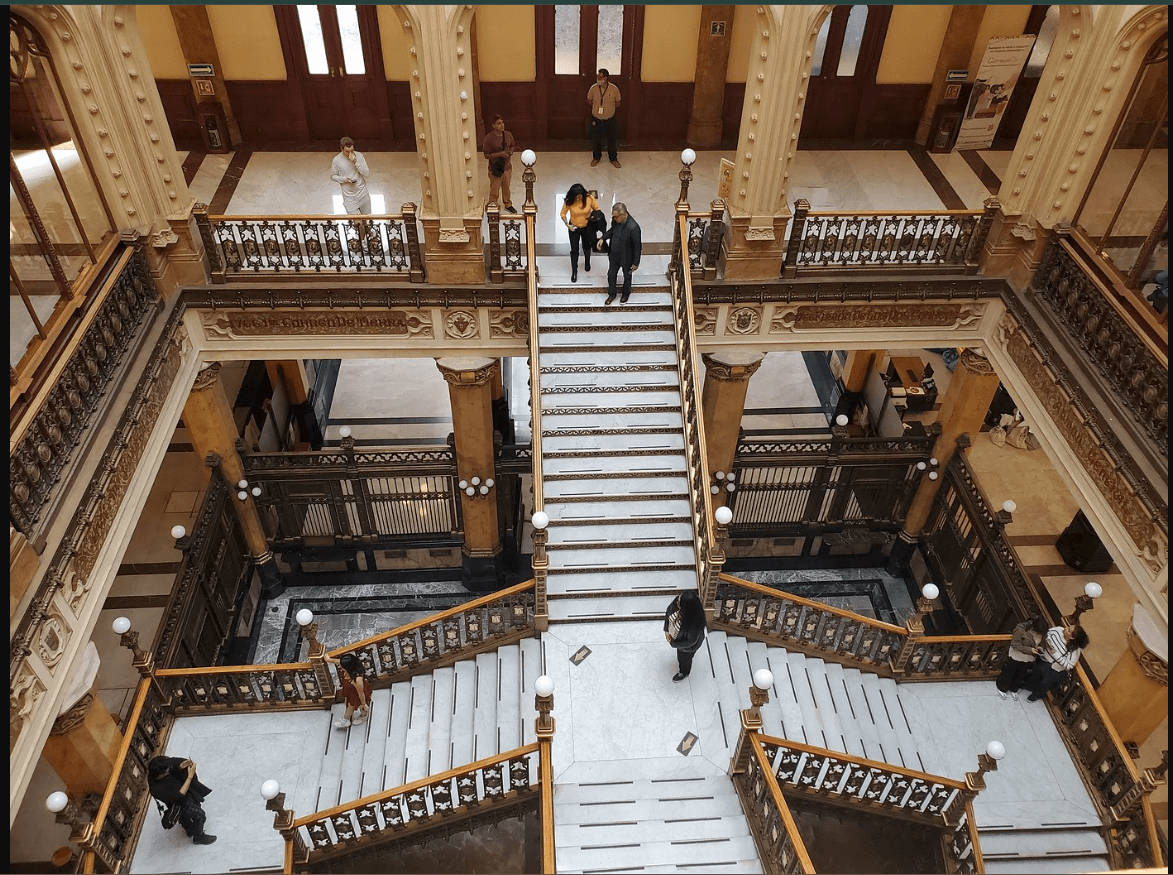 Mexico City's main post office was designed by Italian architect Adamo Boari — the same architect as Bellas Artes — and completed in 1907. The building combines Moorish, Venetian, and Plateresque elements in a white stone facade that changes color through the day. The interior is even more dramatic: a vaulted main hall with ornate iron-and-brass railings, marble floors, and a grand central staircase that runs to the upper floors. It still operates as a working post office. You can walk in, look around, and send a letter from one of the most beautiful public buildings in the Americas.
Palacio de Iturbide
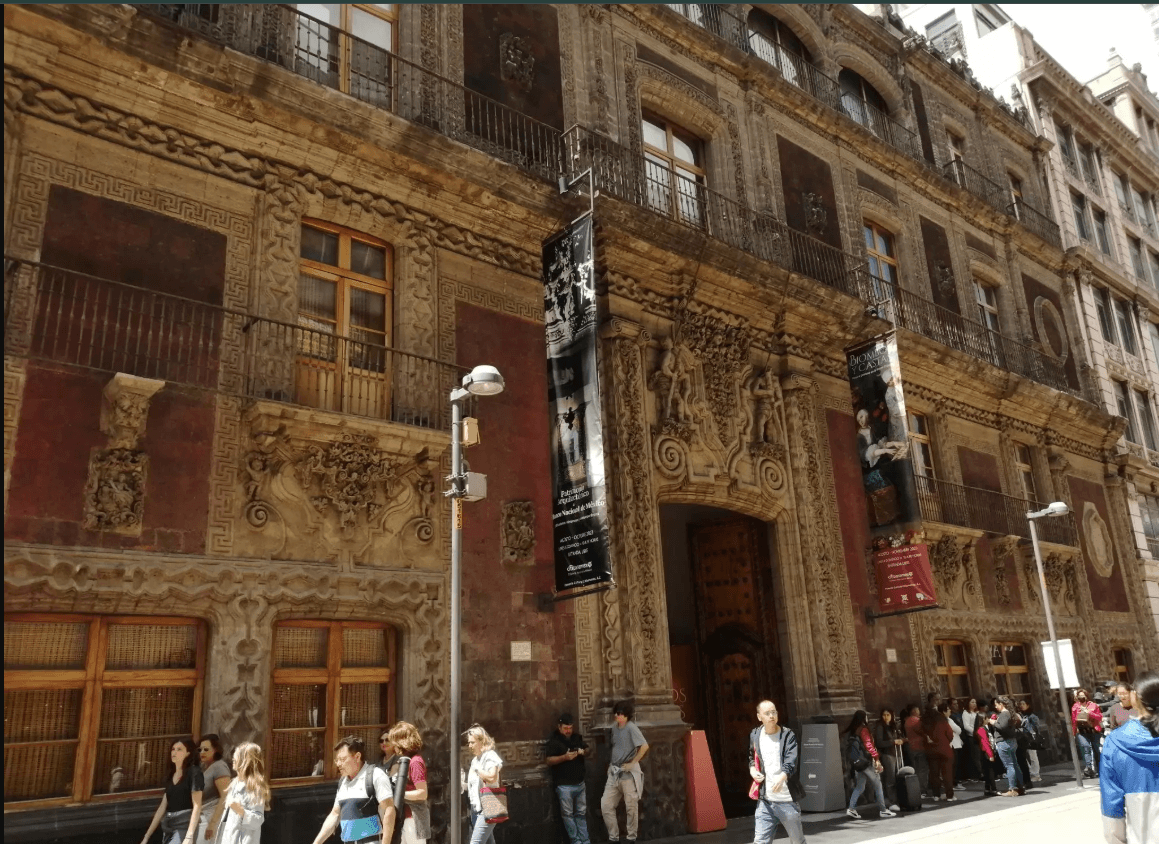 A Baroque palace completed in 1785 for the Conde de San Mateo de Valparaíso. Agustín de Iturbide, Mexico's first emperor, lived here briefly between 1821 and 1823 — which is why the name stuck. Banamex acquired the building and turned it into a cultural space hosting free exhibitions of Mexican art, crafts, and cultural heritage. Free guided tours run at 12pm, 2pm, and 4pm Tuesday through Saturday. The patio courtyard is accessible without joining a tour.
Barrio Chino
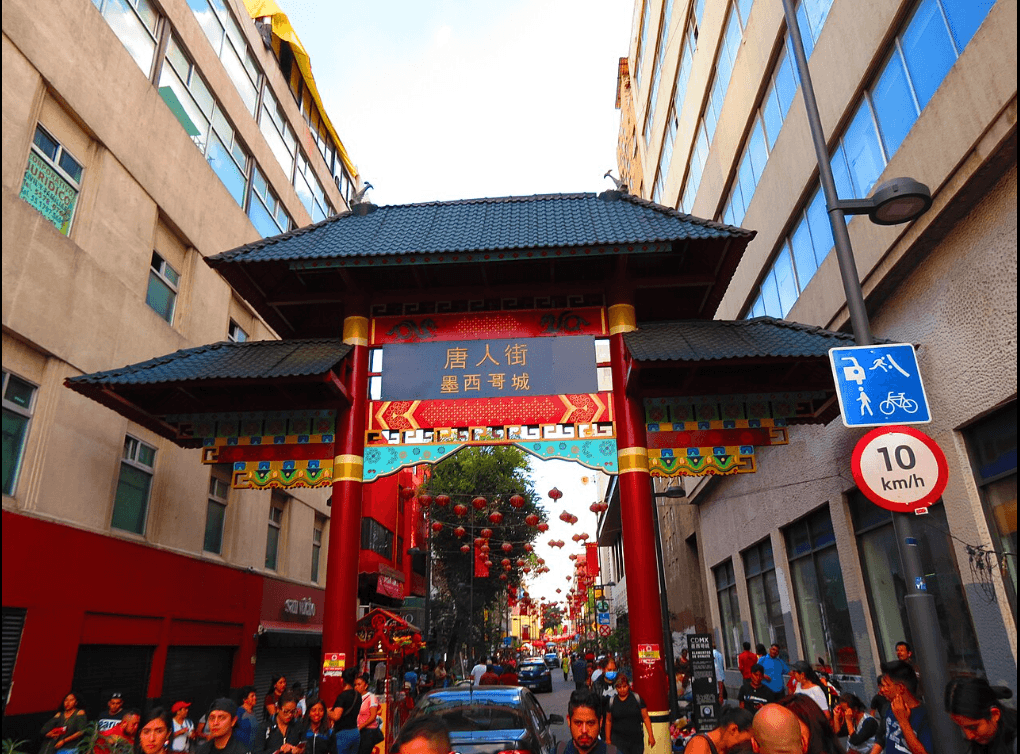 Mexico City's Chinatown occupies less than two blocks on Dolores Street, making it the smallest Chinatown in the world by most accounts. The community formed in the early 20th century after the Mexican government brought in Chinese laborers for railroad construction. The neighborhood has contracted significantly since its peak — but the ornamental gate, the handful of remaining Chinese restaurants, and the food shops selling ingredients not easily found elsewhere are still worth the five-minute detour.
Calle Regina
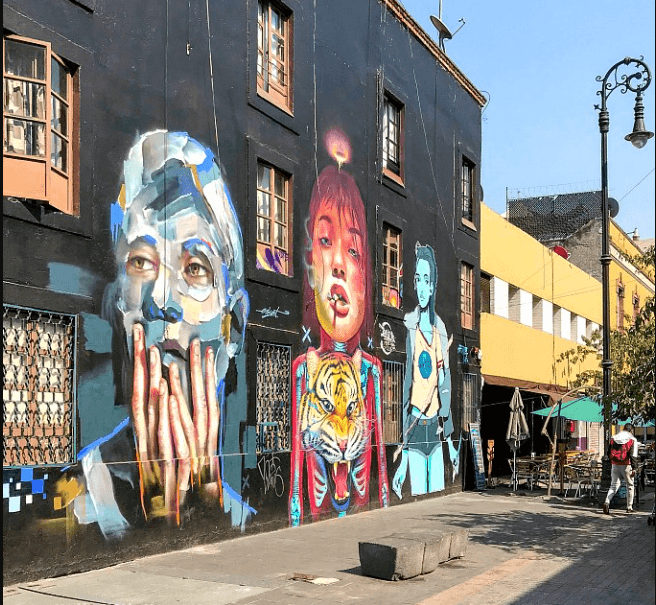 The main pedestrian and nightlife street of the residential Centro. Cobblestone, closed to traffic, lined with bars, restaurants, and residents who have been here longer than the tourists. On weekday evenings the tables spill onto the street. On weekends it gets genuinely crowded.
Where to eat and drink in Downtown Mexico City
Centro Histórico feeds millions of people daily. From the Mercado de la Merced, which has 5,525 vendors in seven buildings, to three Michelin-recognized restaurants within walking distance of the Zócalo. From basket tacos at MX$10 each on Madero to a 1,500-peso tasting menu at Azul Histórico. The range here is not a feature. It is the entire point.
Fine dining
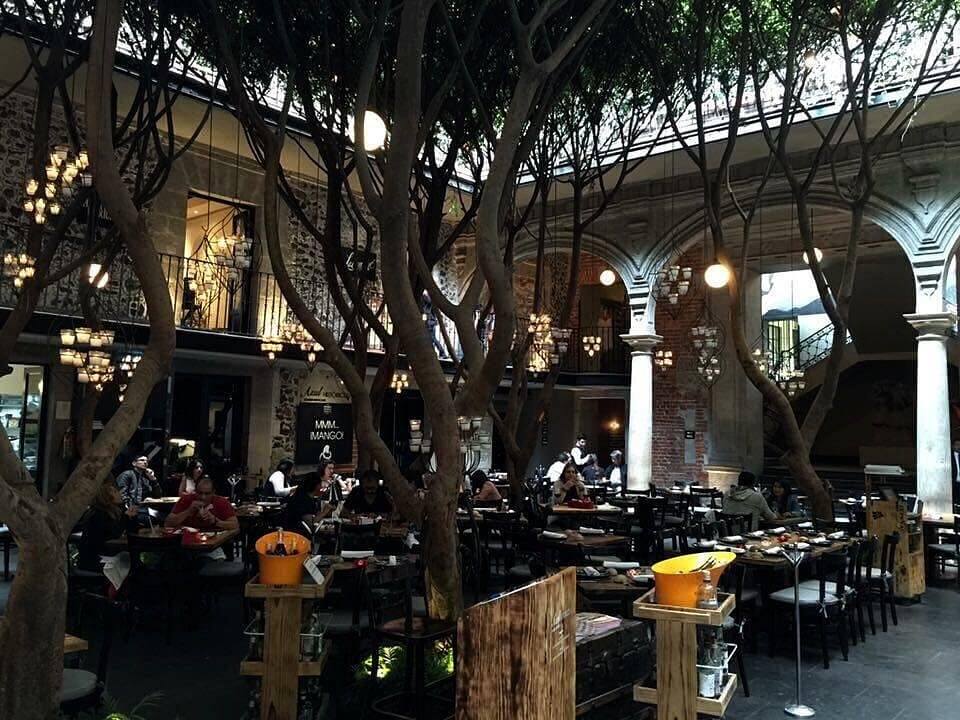
Azul Histórico
Flagship of chef Ricardo Muñoz Zurita · Courtyard of Downtown México Hotel · Serious technique in a setting that opens to the sky
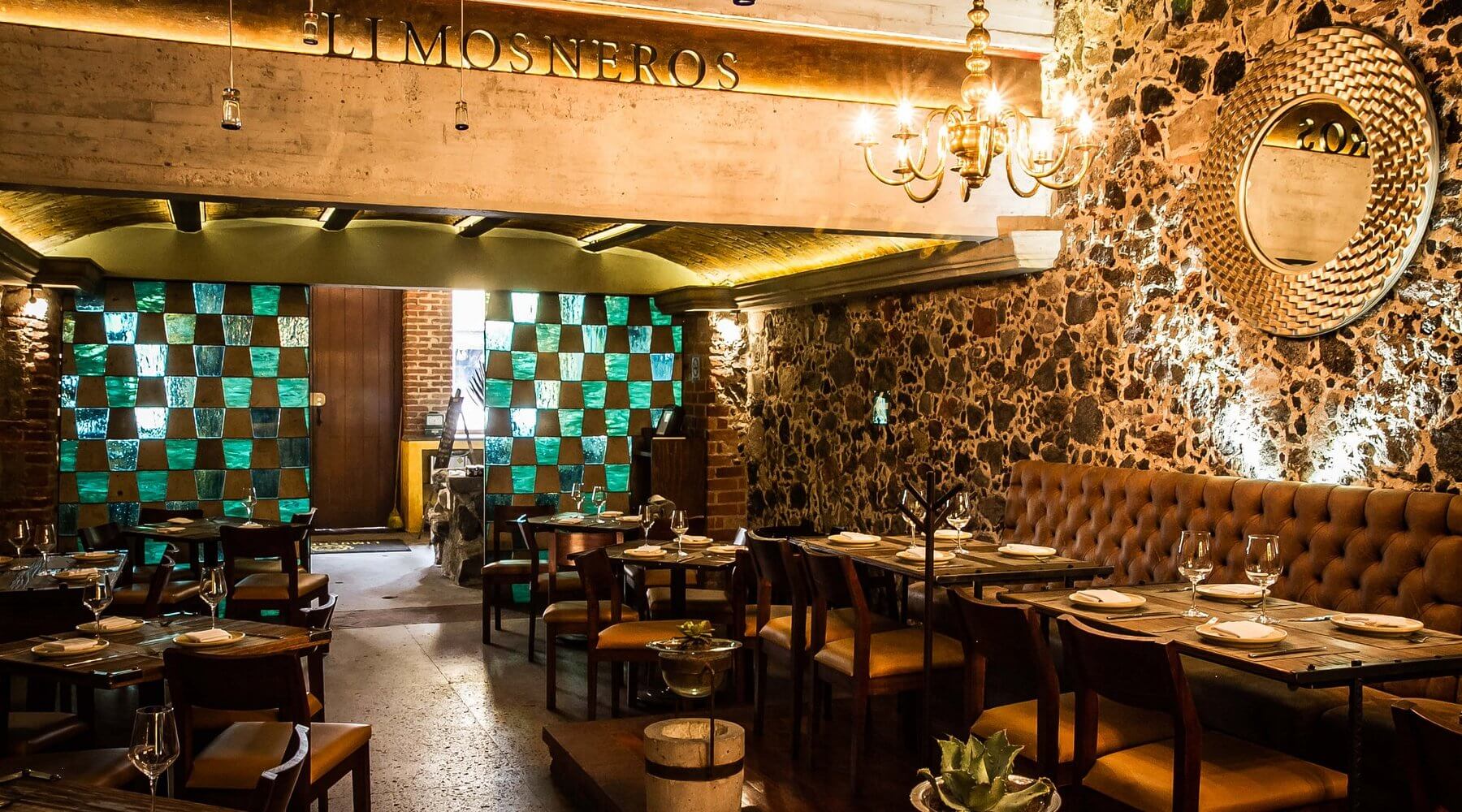
Limosneros
Featured in the Michelin Guide · Pre-Hispanic & contemporary Mexican ingredients · Cocktails using native Mexican plants
Mid-range and walk-in options
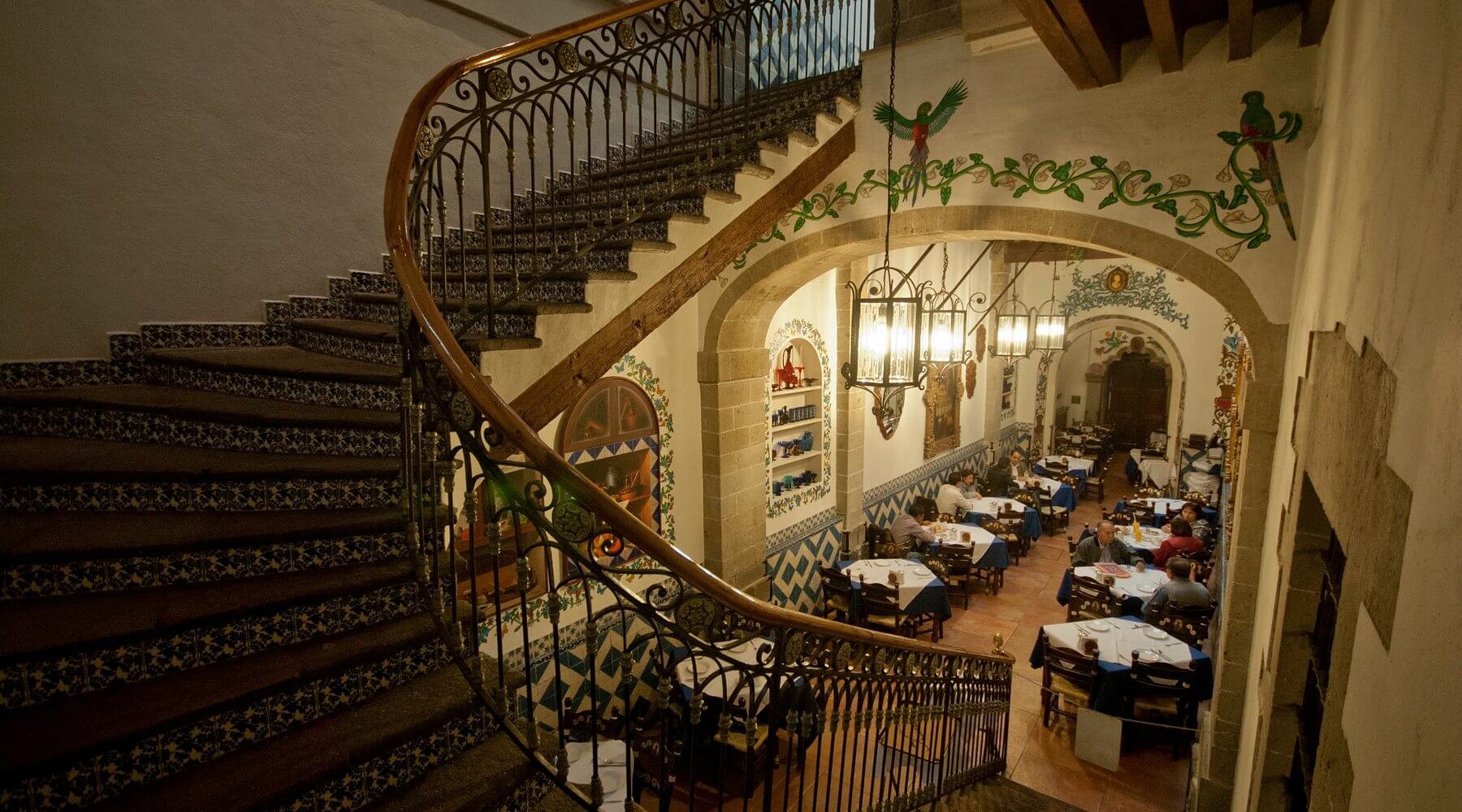
Café de Tacuba
Opened in 1912 · Painted tiles, dark wood, oil paintings of saints & colonial scenes · A dining room unchanged for over 100 years
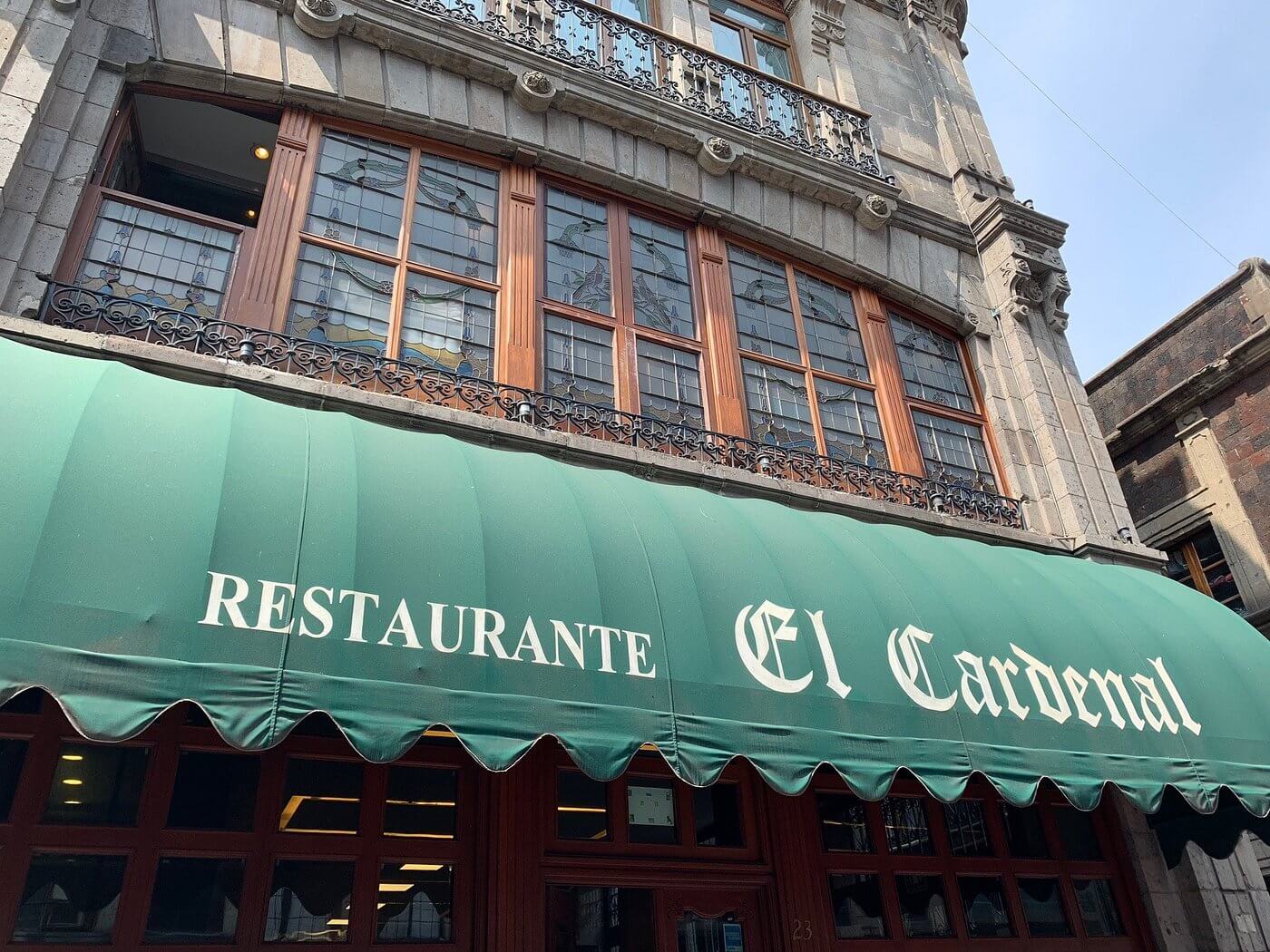
El Cardenal
Mexico City's most respected traditional breakfast institution · Three locations in the historic core
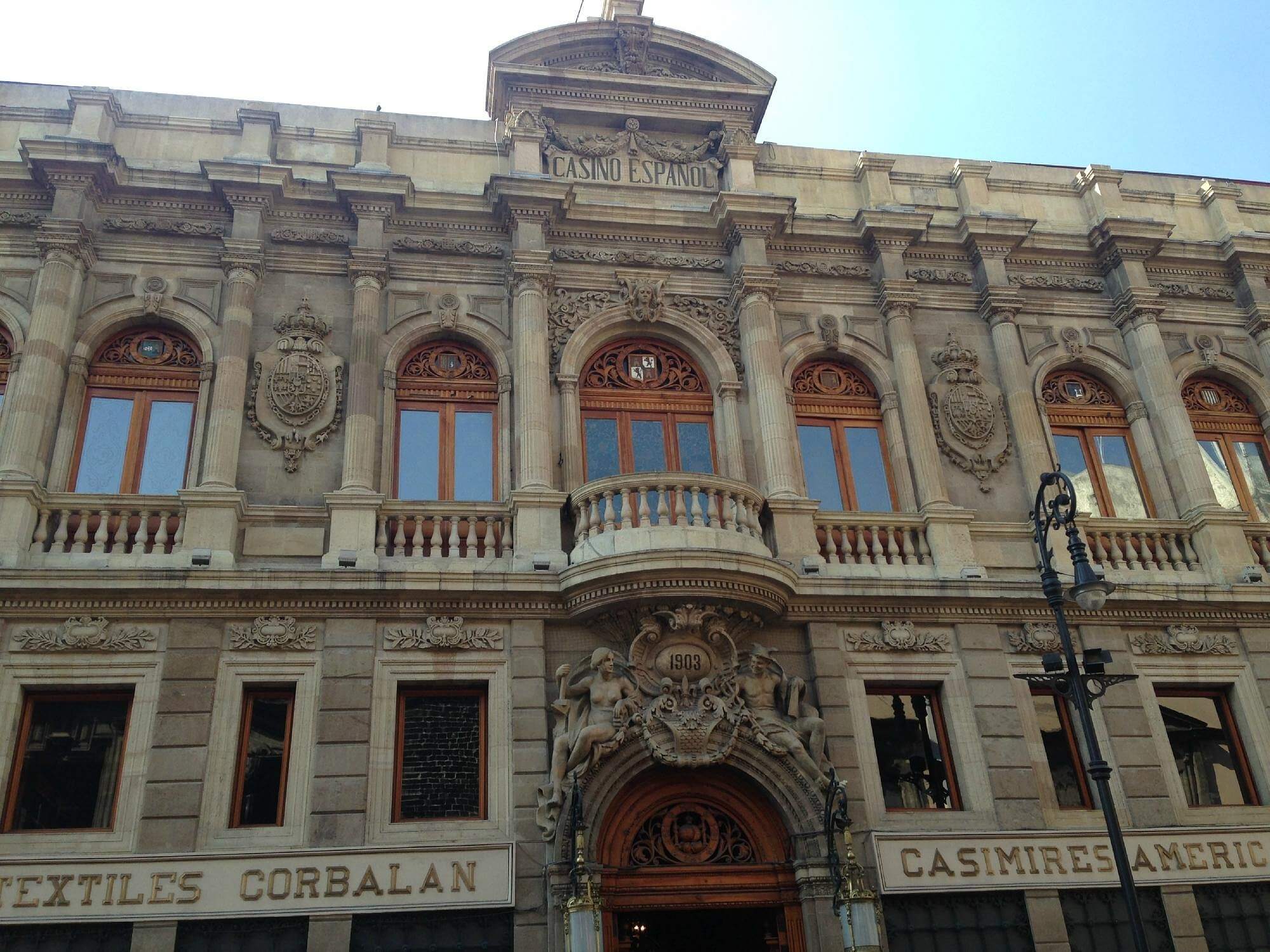
Casino Español
One of the most beautiful dining rooms in Centro Histórico · Built for the Spanish immigrant community
Street food and tacos
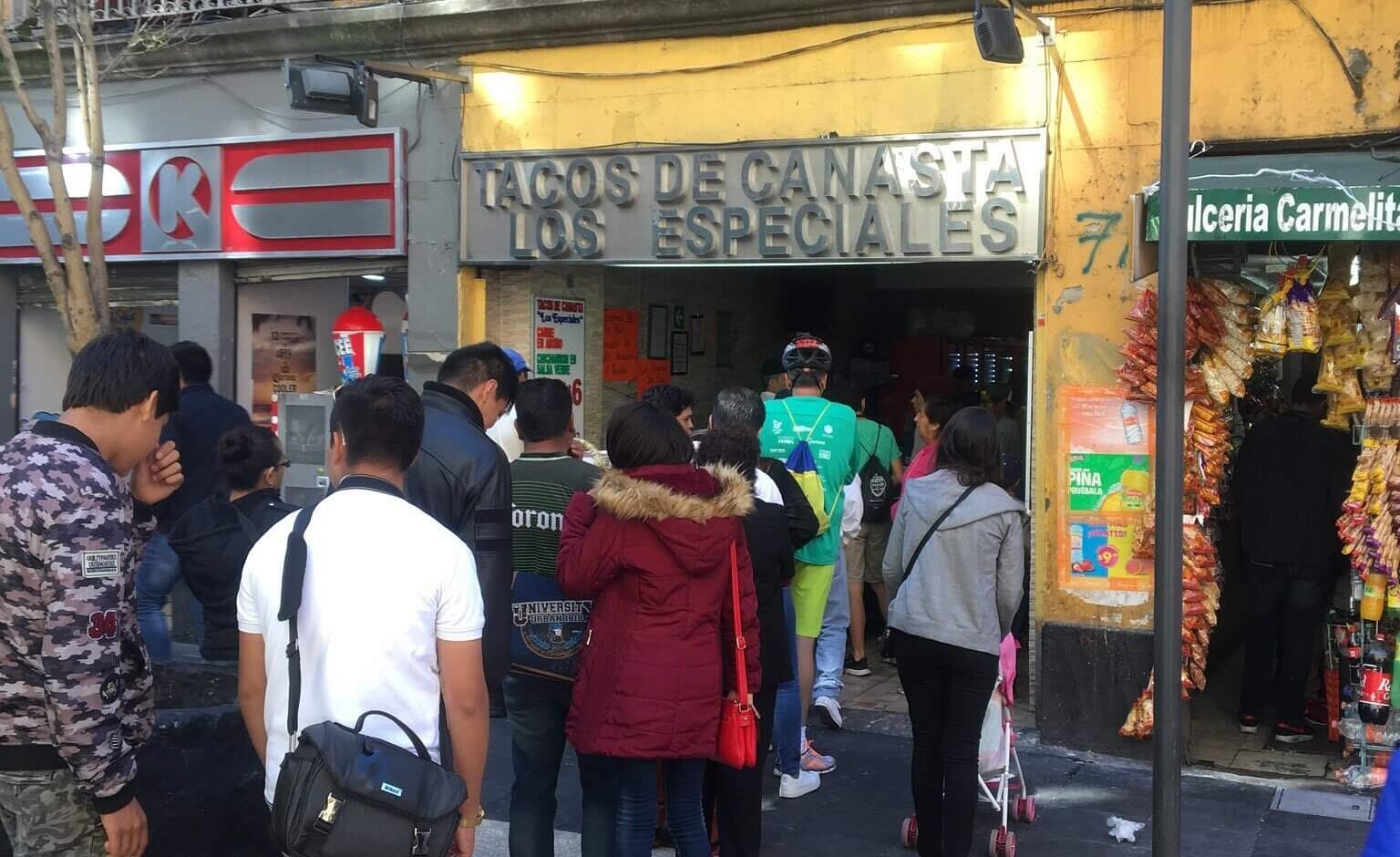
Tacos de Canasta Los Especiales
The basket taco institution every Centro food guide mentions first · Soft steamed tacos in cloth-lined baskets · MX$10–15 per taco
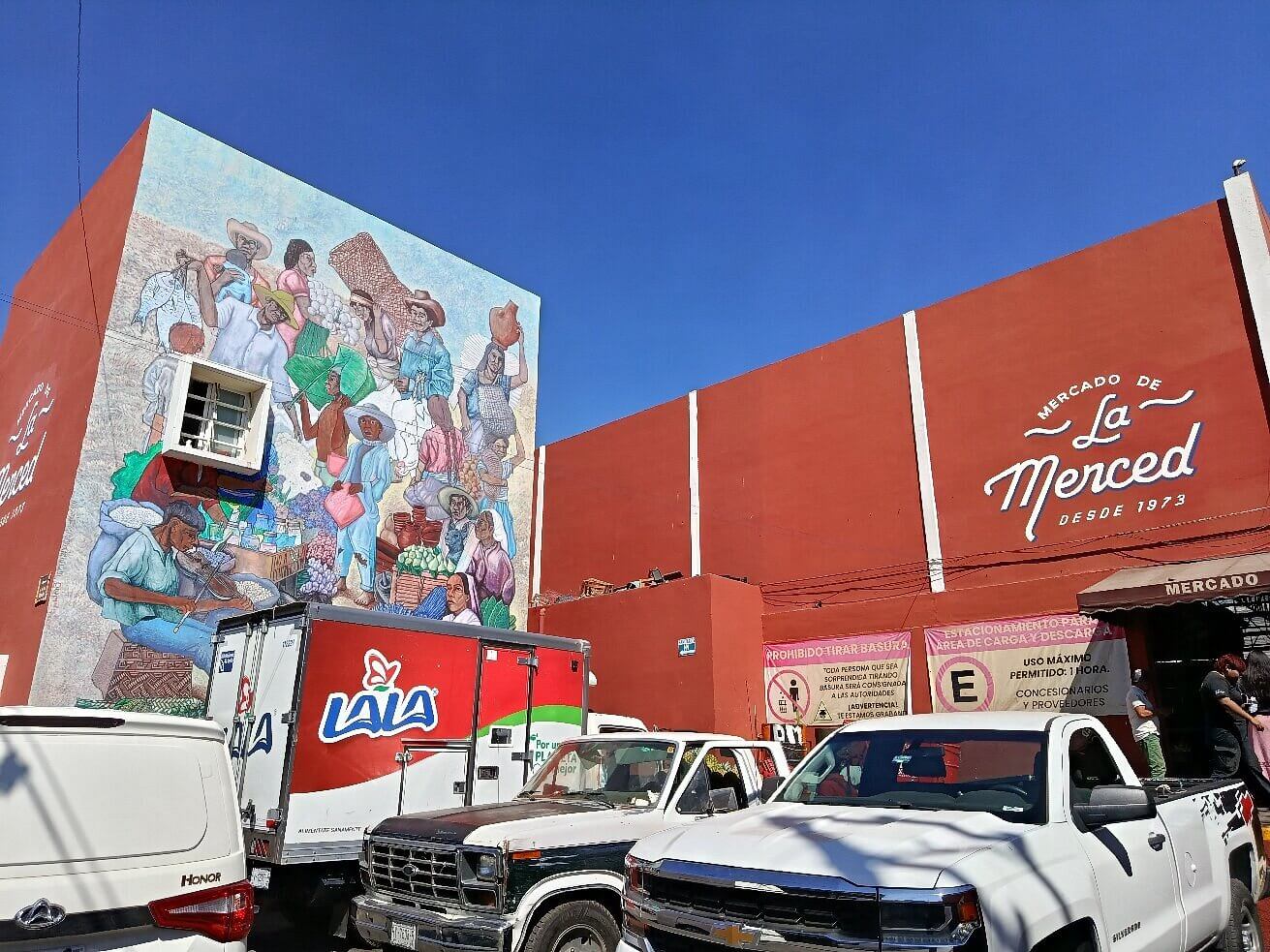
Mercado de la Merced
The largest traditional retail market in Mexico City & one of the largest in Latin America
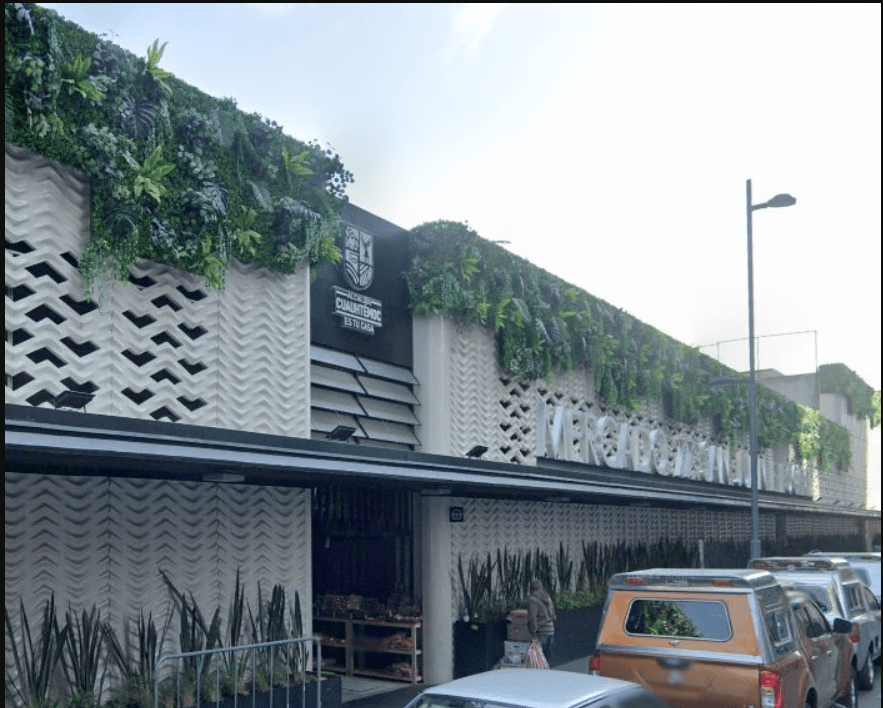
Mercado San Juan
Centro's gourmet market & the counterpoint to La Merced · Smaller, curated & oriented toward specialty ingredients
Bars and nightlife
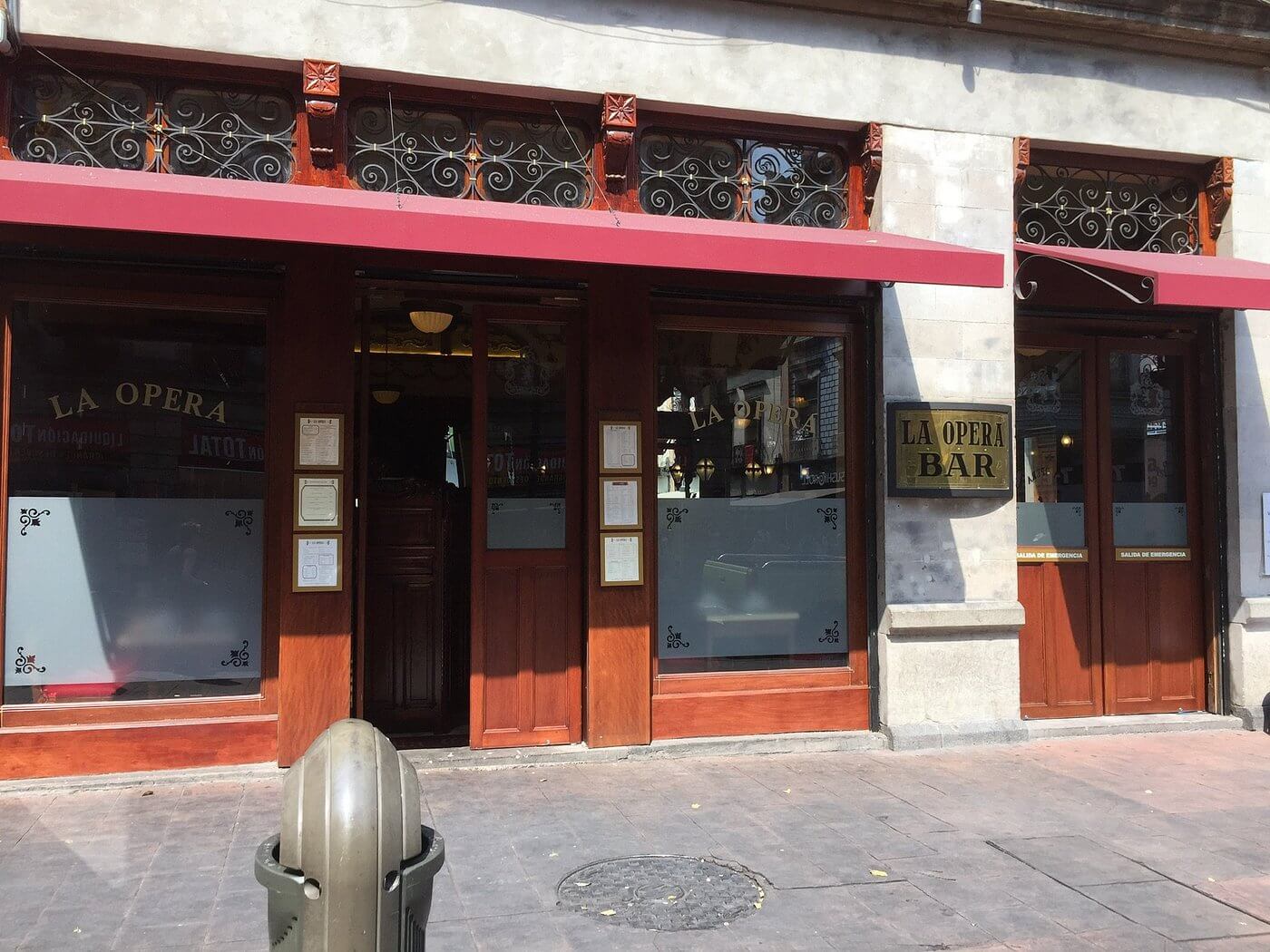
La Ópera Bar
Belle Époque interior: carved wood booths, high ceilings, ornate mirrors
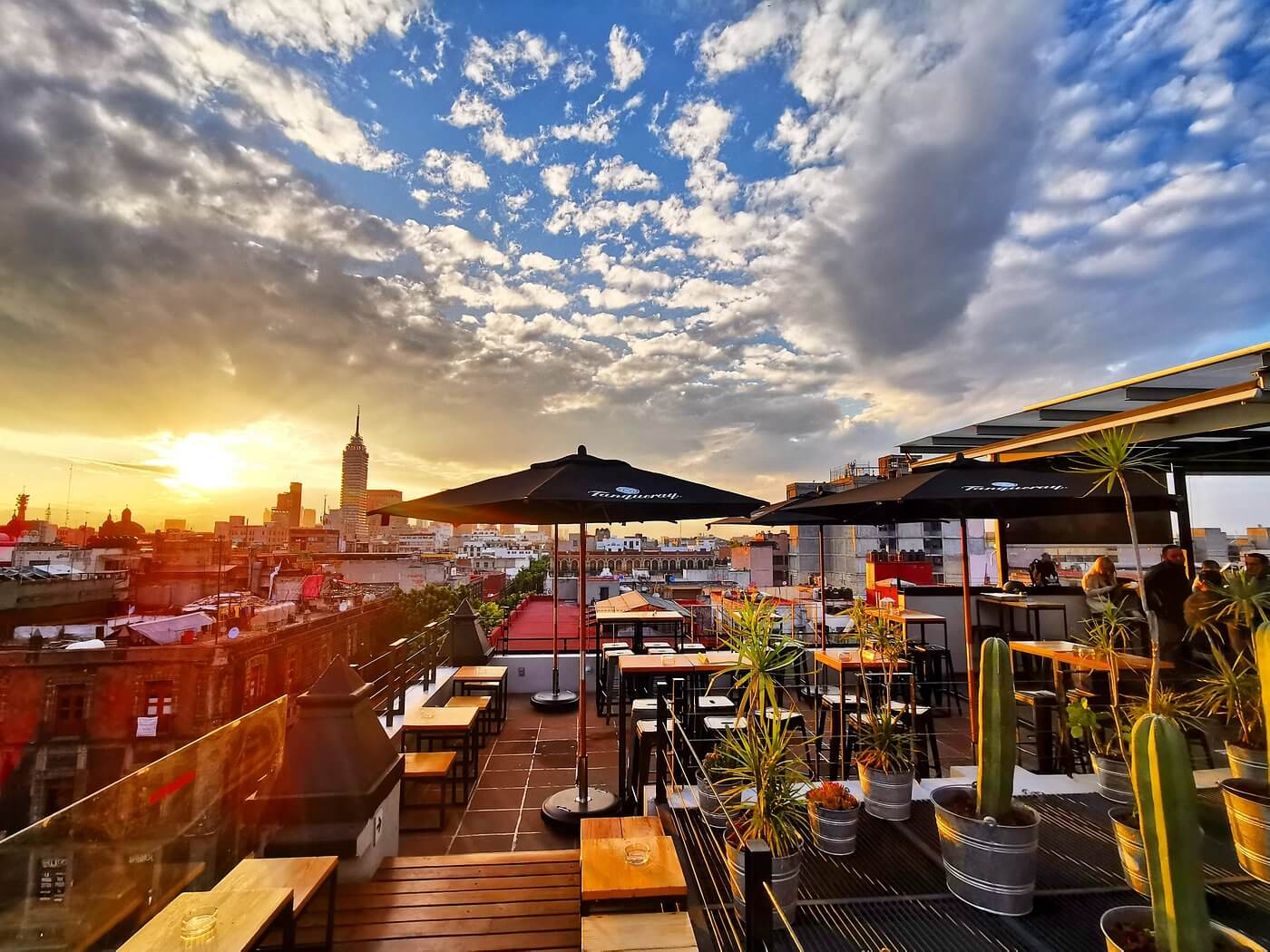
Terraza Catedral
Rooftop of Mundo Joven Catedral Hostel · Informal, affordable, open to non-guests · Directly facing the Catedral
One day in Downtown Mexico City itinerary
One day is not enough. But here is how to make it count.
Morning
Start at El Cardenal on Palma 23 at 8 AM for the traditional breakfast ritual: conchas with nata, tableside hot chocolate. Do this before the queues arrive. From there, walk to the Zócalo at 9 AM when the square is quiet and the light is good on the cathedral facade. Enter Catedral Metropolitana first — the interior takes 30 minutes — then walk directly to Templo Mayor next door when it opens at 9 AM. Allow 90 minutes minimum: 30 minutes on the ruins, 60 in the museum. Cross the Zócalo to Palacio Nacional and go straight to the Rivera murals on the main staircase. Free entry with ID.
Afternoon
Lunch at Café de Tacuba (Tacuba 28) — traditional Mexican, 10 minutes from the Zócalo. After lunch, Palacio de Bellas Artes is the main event: the Rivera mural "Man, Controller of the Universe" and the full muralist collection. Cross Eje Central to Palacio Postal for the interior staircase. Then Casa de los Azulejos (Madero 4) for the tile facade and Orozco mural inside. Walk back toward the Zócalo via Madero Street, stopping at Palacio de Iturbide (free, Baroque courtyard) and the Gran Hotel lobby (Tiffany-style ceiling).
Evening
Churros at El Moro on Eje Central 42 at 6 PM. Then Bar La Ópera at Cinco de Mayo 10 for the bullet hole and a carajillo. Dinner on Calle Regina — walk the street and pick by atmosphere. Late night at Bósforo (Luis Moya 31) for mezcal in the dark with no sign outside.
Is Downtown Mexico City safe?
Yes, with more awareness than other neighborhoods. Centro Histórico is safe for daytime visitors and for evenings on the main streets and established nightlife corridors. Millions of tourists walk this area every year without incident. The risks are specific and manageable.
The main tourist streets, Madero, Bellas Artes, Alameda Central, and the Zócalo area, are all well-policed and heavily visited. The risks increase east of the Zócalo toward La Merced and around Tepito to the northeast, particularly after dark.
⚠️ Standard precautions still apply
- Use Uber exclusively. Street taxis in Centro carry a documented higher risk of express kidnapping
- Keep phones and cameras in a bag on busy streets
- Wear a crossbody bag in front in crowded market areas
- Avoid the metro on Lines 1 and 2 during peak hours (7–9 AM and 6–8 PM)
- La Merced market is daytime only, do not arrive after 5 PM
- Avoid Tepito at all times and east of La Merced after dark
- Tourist police patrol the main Zócalo area and are generally English-speaking
To compare Downtown Mexico City with other areas and get a full safety overview, check out our Is Mexico City Safe? guide.